3 October 2026, 13:01
Loading...
Germany cuts generous heat pump subsidies, with savings of 51 billion

oEnergetice.cz, ČTK
7 July 2026, 16:34
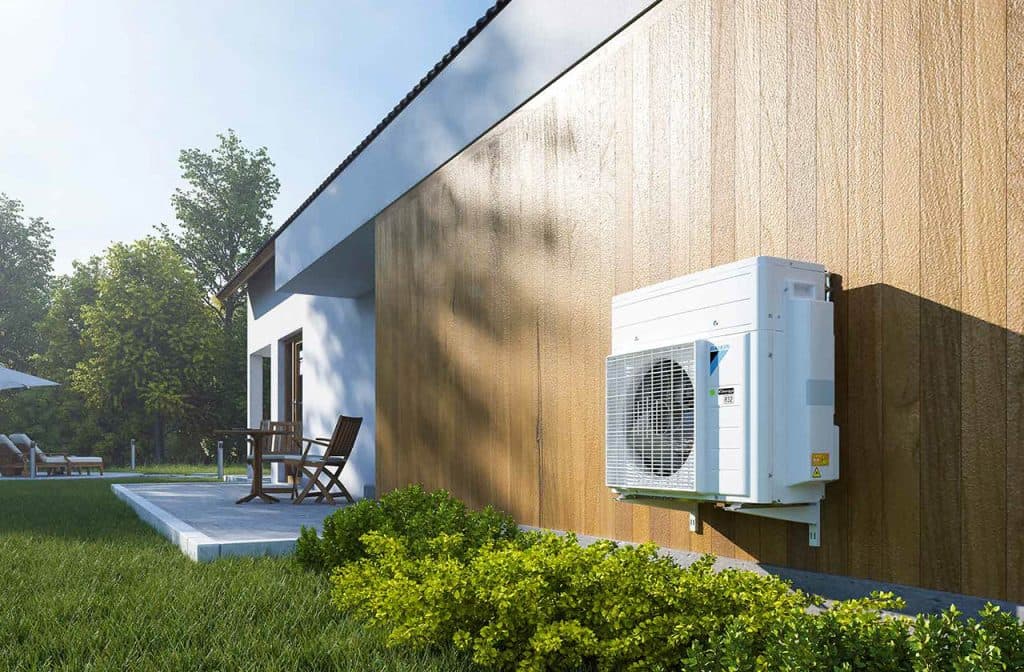
Germany plans to cut generous subsidies for low-carbon heat pumps by 2.1 billion euros (about 51 billion Kč) by 2030, news agency DPA reported today. According to the agency, this is set out in a document prepared for Wednesday’s meeting of the Bundestag’s budget committee. The government wants to save money while increasing spending on defence and security.
The German state subsidises the transition to climate-friendly heating systems, covering up to 70 percent of the costs. The maximum grant for replacing a heating system is 21.000 euros (around 509.000 Kč).
If the committee approves the energy ministry’s proposal in its current form, this amount will be gradually reduced by several thousand euros over the coming months and years, up to 2030. It would first fall by 2000 euros and then by a further 750 euros every six months.
Europe’s largest economy is trying to continue funding programmes aimed at meeting climate targets while also increasing military spending, presenting it with a difficult challenge. Chancellor Friedrich Merz’s government approved a draft budget for 2027 on Monday that envisages increasing spending on defence and security to more than 200 billion euros by 2030. At the same time, it requires ministries to cut subsidies.
Germany’s heat pump subsidies are among the most generous anywhere. The country introduced them to meet its target of cutting carbon emissions by two-thirds by 2030 compared with 1990 levels.
The Green Party has criticised the plan to cut subsidies. The government’s advisory group warned in May that the country is likely to miss key climate targets because it is scaling back emissions-reduction programmes.
Translation disclaimer
This article is a machine translation of the Czech original and has not yet been fully reviewed. In case of any doubt, please refer to the Czech version.
Sdílejte článek prostřednictvím:
You might also like

3 October 2026, 07:43

2 October 2026, 21:55

2 October 2026, 15:14