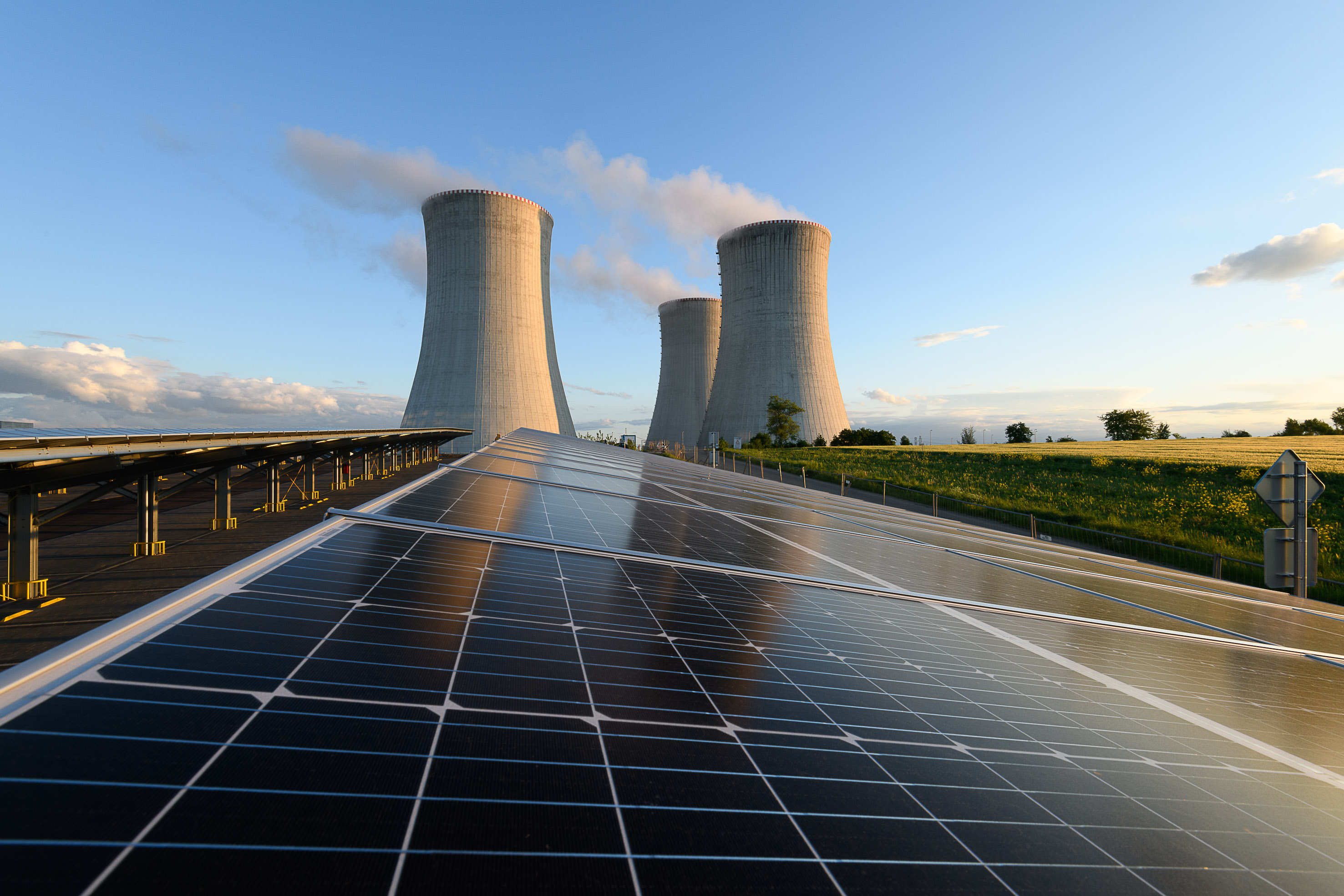
The Czech Power Sector in 2025
Stabilisation after the energy crisis and preparations for the transformation of the Czech energy sector.
Executive summary
- Total net electricity generation in the Czech Republic increased in 2025 for the first time since 2021, rising by 2.6 TWh to 71.4 TWh. The increase was driven by nuclear power plants, whose net generation rose by 2.2 TWh year on year to 30.3 TWh (gross generation reached 32.066 TWh).
- As in 2024, Czech coal-fired power plants generated just under 24 TWh of electricity last year. This was almost 10 TWh less than in the crisis year of 2022, since when coal-fired generation has fallen by 28%.
- The dispatchable capacity of coal-fired power plants should in future be replaced primarily by new gas-fired heating and power plants. Despite the expected growth in gas-fired capacity, however, the European Resource Adequacy Assessment 2025 indicates a resource adequacy problem in the Czech Republic, reflected in the number of hours when available resources will be unable to meet electricity demand. This gradually rises to 68 hours in 2035.
- Net electricity consumption reached 59.3 TWh last year. Total electricity consumption in the Czech Republic therefore increased by 2.3% year on year in 2025, reversing the downward trend of recent years. The growth was driven mainly by colder weather than in the previous year and greater stability in end-user electricity prices.
- Compared with 2024, the volume of electricity exported to neighbouring countries increased in 2025. The Czech Republic's net commercial balance was 7.56 TWh, an 18% increase on 2024.
- On an hourly basis, the Czech Republic exported electricity for a total of 6,735 hours and imported it for 2,025 hours (an export-to-import ratio of approximately 77:23). This ratio was unchanged from 2024.
- The year 2025 confirmed the further strengthening of renewable energy's role in the Czech power sector. Total renewable electricity generation reached approximately 12.1 TWh in 2025, equivalent to about 17% of total electricity generation in the Czech Republic.
- The pace of solar power growth is beginning to encounter its limits, and the sector faces new challenges, particularly economic ones. Nevertheless, solar remains the fastest-growing generation technology in the Czech Republic and is playing an increasingly important role in meeting domestic electricity consumption.
- Electricity generation from wind farms fell by 13% year on year because of unfavourable weather conditions, reaching its lowest level since 2018. Even so, 2025 marked something of a turn for the better for Czech wind power. Legislative changes (acceleration zones, higher limits and energy communities) and investors' extensive plans are creating conditions for faster development in the years ahead.
- As in 2024, wholesale electricity price developments last year were calmer than during the volatile energy-crisis period from 2021 to 2023.
- As installed photovoltaic capacity continued to grow across Europe, including in the Czech Republic, zero or negative electricity prices on the day-ahead market also became more frequent last year. Between April and September 2024, prices fell to zero or below for a total of 319 hours; in the comparable period last year, this occurred for 375 hours.
- Last year brought one fundamental change to the operation of short-term markets in the Czech Republic and elsewhere in Europe: the day-ahead market moved to a 15-minute trading interval. The shorter settlement period is particularly important in the context of growing installed capacity in intermittent renewable sources, namely solar and wind power.
- Household electricity prices fell during the year across all contract types, despite an increase in fixed monthly payments. Non-fixed products reacted fastest; although they remained the most expensive, they also offered the largest short-term price reduction. The overall fall in the commercial component of electricity prices was around 8%. The regulated component remained virtually unchanged for 2025 and will fall by an average of 15% in 2026 as the state assumes the levy supporting subsidised energy sources.
Key indicators for 2025
Total electricity generation
Nuclear power generation
Solar power generation
Renewables' share of generation
Cross-border balance
Net electricity consumption
Commercial component of electricity price
Zero or negative prices
Introduction
The year 2025 can be described as the European Union energy sector's second full post-crisis year. Few periods have affected European energy as profoundly as 2021 to 2023. Electricity and gas consumption fell substantially during those years because of record-high commodity prices. Prices only stabilised during 2024 at levels that are likely to persist for some time. Lower commodity prices, combined with colder weather, helped reverse the trend observed in previous years, and both electricity and gas consumption increased in 2025.
Developments in European energy markets and the Czech energy sector are attracting growing interest not only from experts but also from the wider public. In recent years, the energy sector has been undergoing a far-reaching transformation that affects households as well as businesses. Topics such as the coal phase-out, the construction of new nuclear units and the boom in photovoltaic power plants are now commonplace in public debate, business and everyday conversations among people outside the sector.
The Czech Power Sector in 2025 report therefore aims to summarise the past year's developments in the Czech power sector through data and to explain the main milestones and their impact on businesses and households. In doing so, it helps readers better understand how the much-discussed energy transition affects the end users who make up our readership and user base.
Electricity generation
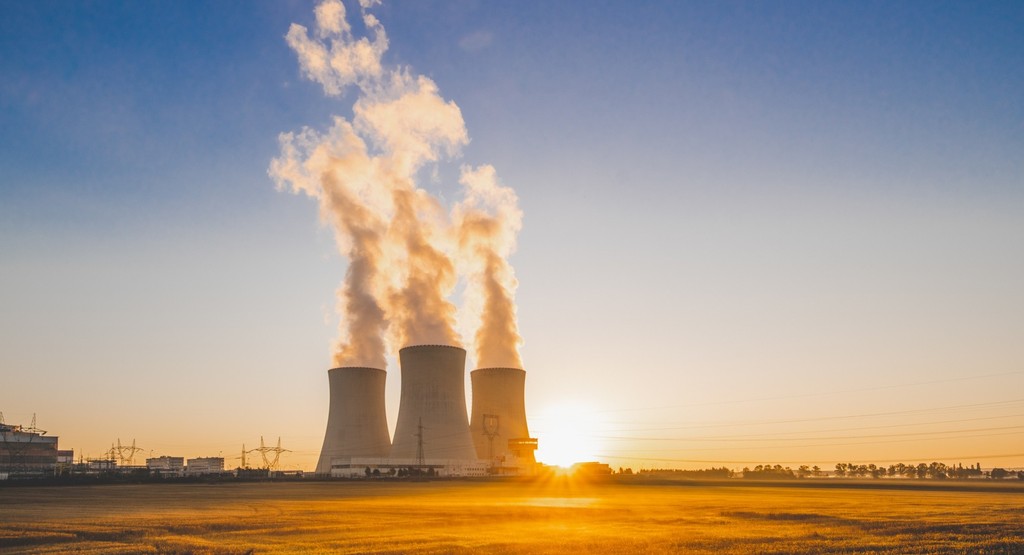
Total electricity generation in the Czech Republic increased in 2025 for the first time since 2021, rising by 2.6 TWh (+3.8%) to 71.4 TWh. Nuclear power plants drove the increase, with net generation up by 2.2 TWh (8.0%) year on year to 30.3 TWh. Gross nuclear generation rose to 32.066 TWh, the highest ever recorded in a calendar year. Solar power plants (+0.8 TWh / +20.4%) and biomass-fired plants (+0.7 TWh / +30.7%) also recorded significant growth. By contrast, hydropower saw the largest fall last year (-0.9 TWh / -36.9%).
Compared with 2022, when the energy crisis in Europe peaked, electricity generation in the Czech Republic was almost 8 TWh lower last year. This decline broadly corresponds to the fall in generation from lignite and hard-coal sources over the same period.
The modest rise in generation was reflected in the overall electricity balance, with net exports from the Czech Republic increasing again after two years of decline. Over the past 12 months, net exports rose by around 1 TWh (+16.7%) year on year to 7.5 TWh.
Nuclear and lignite-fired plants remained the Czech Republic's largest sources of electricity last year, accounting for 42.4% and 32.2% of total generation respectively. Following sharp growth over the previous two years, solar power retained its notional third place. With a 6.6% share of total generation and a year-on-year increase in output of almost 20.4%, it again surpassed gas-fired sources, which accounted for 5.2%. Hydropower, other renewables (particularly biogas) and biomass followed, each contributing between 2% and 4% of total generation.
Electricity generation in the Czech Republic is traditionally highest in winter and lowest in summer, mirroring seasonal fluctuations in consumption. During the first five months of 2025, generation was around the average for the preceding seven years. Output then fell during the summer, with June recording the lowest monthly generation in the period under review (4.5 TWh). September was also very weak in this respect, with generation only just exceeding 5 TWh.
Future electricity generation
The Czech Republic will continue to rely on nuclear power plants, whose installed capacity is expected to grow by around 7% over the next ten years, while coal-fired plants will gradually be retired. Although the country has not yet set a firm coal phase-out date, many operators plan to close their coal-fired assets for economic reasons. After 2030, coal is therefore expected to be burned mainly in smaller heating plants and industrial energy facilities.
Renewable electricity generation, by contrast, is expected to grow as installed capacity expands. According to a study prepared for ČEPS, photovoltaic generation should roughly triple by 2030, while wind generation should be around five times higher. Generation from gas-fired sources is expected to approximately double.
The Czech Republic's dependence on electricity imports is expected to increase in the coming years. It should peak around 2035, when the country is forecast to import roughly 20% of its electricity consumption. Once new nuclear units are completed, however, the need for imports should begin to fall.
Electricity consumption
The decline in electricity consumption that had continued since 2021 came to a halt in 2024, and 2025 brought a modest increase of approximately 2.3% year on year. Net consumption reached 59.3 TWh. Last year was slightly warmer (+0.5°C) than the long-term temperature norm, but 1.5°C colder than 2024, which was the warmest year by average temperature since 1961.
Household consumption grew significantly, while small businesses also recorded modest growth. Depending on the voltage level, consumption among large customers and industry was either flat (high voltage) or declined slightly (extra-high voltage).
Electricity consumption increased year on year in every month except January and August. February recorded the largest increase, with net consumption rising by around 6%. This was mainly due to temperature, as February last year was substantially colder than the exceptionally warm February of 2024.
Seasonal fluctuations in electricity consumption in 2025 were comparable with 2024. In 2025, average winter consumption was 27% higher than in the summer months, compared with 25% in 2024.
Consumption trends in the coming years
forecasts future electricity consumption in the Czech Republic under two main scenarios: respondent and progressive. The scenarios reflect different assumptions about future consumption growth depending on factors such as economic development, the electrification of heating, electric mobility and the economy's overall energy intensity. According to these forecasts, annual net electricity consumption including losses will rise gradually under both scenarios, but more substantially under the progressive scenario: 69.5–74.2 TWh is expected in 2030, 75.5–83.0 TWh in 2035 and 81.5–92.1 TWh by 2040. All these figures indicate demand increasing over time as new electrical loads and technological changes develop.
Historical consumption trends indicate that end-use sectors are electrifying more slowly than the average among countries monitored by the . Between 2005 and 2023, the electrification rate rose slowly from 25% to 30% in buildings and from 22% to 31% in industry. These sectoral electrification rates remain below the IEA averages of approximately 45% in buildings and 33% in industry, although cross-country comparisons do not account for differences in the composition of subsectors.
Several barriers must be removed to accelerate the electrification of end-use sectors. Electricity prices are up to three times higher than gas prices, favouring fossil-fuel use over electricity. Other challenges include constraints on grid connection capacity, including lengthy permitting procedures for connecting industrial sites to higher-voltage grids; insufficient policies and incentive programmes supporting electrification; and a shortage of fully operational large-scale demonstration projects directly applicable to end-use sectors.
Commercial and physical cross-border flows
Compared with 2024, the volume of electricity exported to neighbouring countries increased in 2025. The Czech Republic's net commercial balance reached 7.56 TWh, an 18% increase on 2024. Total electricity exports amounted to 8.89 TWh and total imports to 1.34 TWh.
Whereas the net export balance fell sharply in 2024 to 6.34 TWh, its lowest level in ten years, the Czech Republic exported 1.13 TWh more in 2025.
The increase in exports was driven by higher output from Czech power plants, which generated 2.6 TWh more electricity than in the previous year. Nuclear power plants accounted for most of the increase.
On an hourly basis, the Czech Republic exported electricity for a total of 6,735 hours and imported it for 2,025 hours (an export-to-import ratio of approximately 77:23). This ratio was unchanged from 2024.
To illustrate the volumes involved, during hours when electricity was exported in 2025, the Czech Republic exported an average of 1,320 MWh/h; during import hours, it imported an average of 660 MWh/h. Compared with the previous year, average exports were more than 180 MWh/h higher and imports almost 50 MWh/h higher.
Commercial exchanges with neighbouring countries
Austria (AT) – the overall balance with the Czech Republic's southern neighbour in 2025 was a net export of 8.27 TWh, the largest net exchange with any neighbouring country. Exports to Austria rose by 87% compared with the previous year (the net export position with Austria was 4.43 TWh in 2024).
Germany (DE) – the balance with the Czech Republic's western neighbour continued the import trend of the previous year, when the country imported 2.8 TWh. In 2025, electricity imports climbed a further 50% to 4.2 TWh.
Poland (PL) – commercial exchanges with the Czech Republic's northern neighbour reversed direction in 2025 compared with 2024. While the Czech Republic recorded a 0.7 TWh export balance with Poland in 2024, the overall exchange produced an import balance of 0.88 TWh in 2025. Both the commercial balance and the absolute exchange volumes with Poland are the lowest among all neighbouring countries.
Slovakia (SK) – the overall balance with the Czech Republic's eastern neighbour reached an export position of 4.36 TWh in 2025. This remained close to the previous year's level, rising slightly by 6% from 4.11 TWh.
Physical exchanges
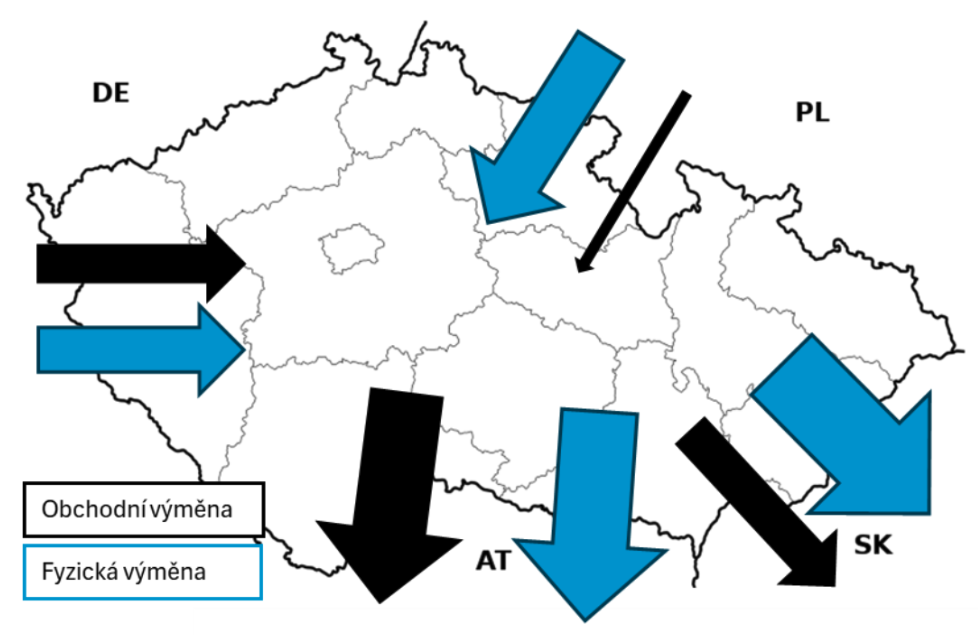
Because physical energy flows do not correspond to commercial exchanges, and because the Czech Republic lies at the centre of Europe, the volumes of physically exchanged energy are also presented below. These exchanges include loop or transit flows: energy that the Czech Republic imports during an hour while simultaneously exporting it across another border.
The substantial difference between commercial and physical exchanges is therefore caused primarily by large transit flows from the north-west (Germany and Poland) to the south-east (Austria and Slovakia). In 2025, the Czech–Slovak border recorded the largest difference: the Czech Republic's net commercial exports were 4.36 TWh, while net physical exports reached 10.01 TWh. The second-largest difference occurred at the Czech–Polish border, where net commercial imports were 0.88 TWh but net physical imports reached 6.28 TWh. Differences between commercial and physical flows exceeded 5 TWh at both the Czech–Slovak and Czech–Polish borders, while those at the Czech–German and Czech–Austrian borders were considerably smaller and, after rounding, both within 1 TWh.
The comparison is shown in the table and map below.
| Country | Commercial exchange [TWh] | Physical exchange [TWh] | Absolute difference [TWh] |
|---|---|---|---|
| AT | -8.27 | -8.85 | 0.58 |
| DE | +4.2 | +5.22 | 1.02 |
| PL | +0.88 | +6.28 | 5.4 |
| SK | -4.36 | -10.01 | 5.65 |
Conventional power plants
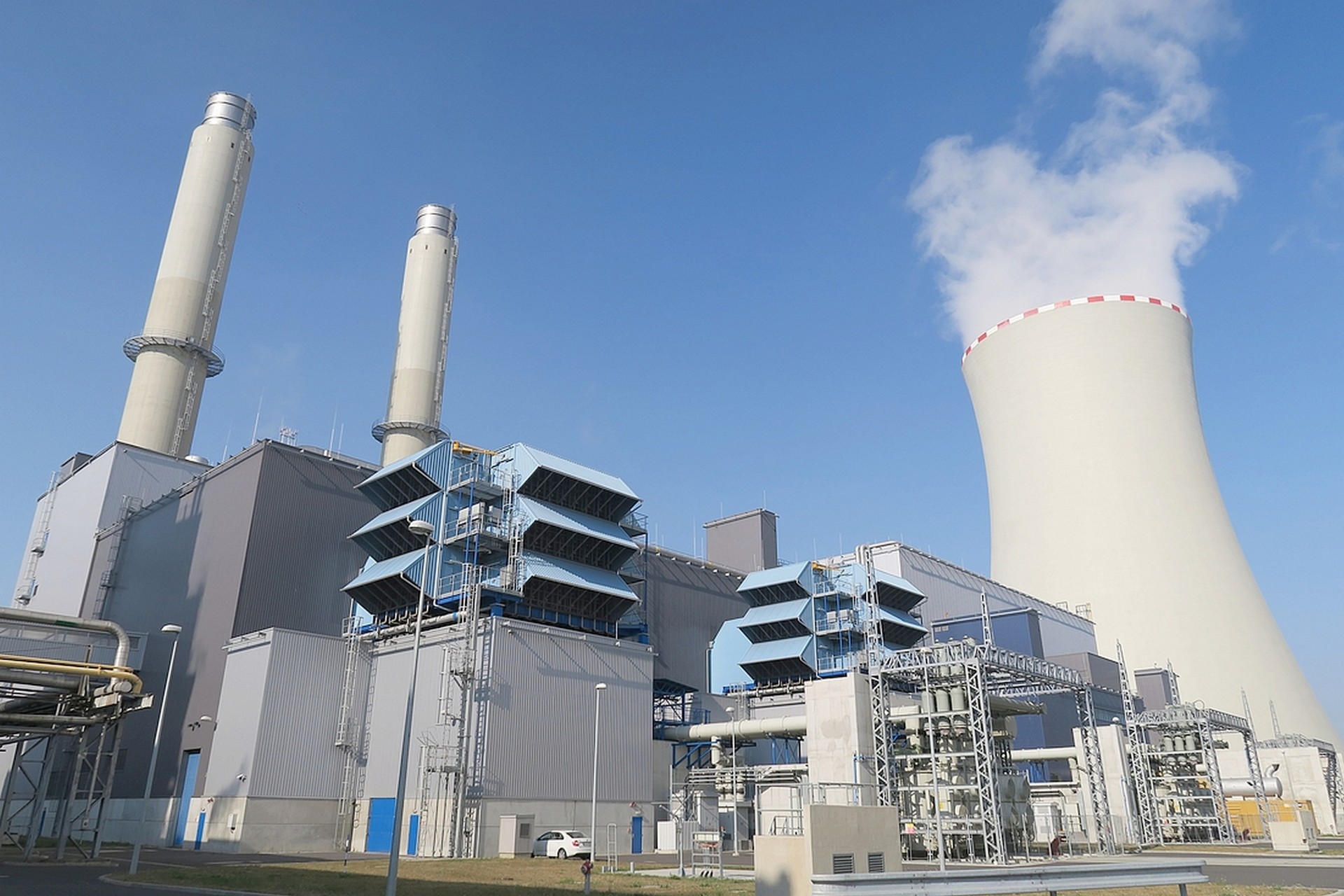
Conventional power plants—which for this report comprise nuclear, coal-fired and natural-gas-fired plants—have long generated more than 80% of the Czech Republic's electricity. Last year was no exception, with these sources accounting for 81% of net electricity generation.
Nuclear power plants supplied 30.3 TWh to the grid in 2025, an increase of 8% year on year. Gross nuclear generation even slightly exceeded 32 TWh. Coal-fired generation was virtually unchanged from 2024 at 23.7 TWh.
Coal-fired power plants have recorded the steepest decline in output in recent years. During the crisis year of 2022, these sources still supplied more than 33 TWh to the grid; in 2023 this fell to just under 27 TWh, and over the past two years generation has settled at the aforementioned 23.7 TWh. The principal reason is the economics of operating these plants: the combination of high emission allowance prices, falling natural gas prices and growing solar and wind generation means coal plants are increasingly less competitive on the wholesale electricity market.
The decline in output from major Czech coal-fired power plants is particularly evident among less efficient units, namely Chvaletice and Počerady.
| Power plant | 2021 [TWh] | 2022 [TWh] | 2023 [TWh] | 2024 [TWh] | 2025 [TWh] |
|---|---|---|---|---|---|
| Tušimice (ETU2) | 3.55 | 3.64 | 3.87 | 4.03 | 3.47 |
| Chvaletice (ECHV) | 3.32 | 4.47 | 2.81 | 2.57 | 2 |
| Počerady (EPC1) | 4.26 | 5.01 | 3.97 | 3.48 | 3.82 |
| Prunéřov 2 (EPR2) | 3.58 | 3.61 | 3.13 | 3.61 | 3.38 |
Electricity generation from natural-gas-fired plants rose by 6.1% year on year to 3.7 TWh last year. Compared with the crisis year of 2022, however, this represents a decline of 1.7 TWh.
Coal and gas for winter
Coal- and gas-fired power plants play an important role not only in the overall annual generation and consumption balance, but also in meeting seasonal and daily peaks in electricity demand. Nuclear generation remains approximately constant throughout the year, whereas output from natural-gas-fired plants—and particularly from lignite- and hard-coal-fired plants—increases markedly in winter. This reflects both operating economics, with higher electricity prices in winter, and the fact that many coal-fired sources also supply district heating systems and are therefore used more heavily during the winter months.
As the following chart shows, lignite-fired generation reached roughly 2.3 to 2.9 TWh per month during last year's winter months, while falling below 1 TWh per month in summer. Strong seasonality was also evident among natural-gas-fired plants, whose winter generation was several times their summer output.
Coal power's end is approaching
As the generation trend above shows, conditions on the wholesale electricity markets are highly unfavourable for these plants, and no improvement is in sight. Current prices for long-term electricity contracts and emission allowances indicate that the potential gross margin of lignite-fired plants will continue to fall in the coming years, along with their utilisation.
A significant event last year was the closure in spring of Dětmarovice, the Czech Republic's largest hard-coal-fired power plant. The plant, with 600 MW of installed capacity (originally 800 MW), was retired after almost 50 years of operation.
The closure of the Chvaletice and Počerady lignite-fired power plants and the lignite-fired heating plant in Kladno, operated by the Sev.en energy group, also appears imminent. At the end of November, the group announced its intention to close these assets, whose combined installed capacity exceeds 2 GW, in December 2026 or by March 2027 at the latest.
The recently published European Resource Adequacy Assessment 2025 (ERAA 2025), published by the European Network of Transmission System Operators for Electricity (ENTSO-E), also assumes a gradual retirement of coal-fired sources in the Czech Republic. According to the report, net installed coal capacity will fall from the current level of around 7 GW to 4 GW by 2028, and then to less than 1 GW in 2030. After 2030, the ERAA 2025 no longer assumes that coal-fired sources will operate in the Czech Republic.
The ERAA 2025 includes even bleaker scenarios for coal. Based on the Economic Viability Assessment (EVA) of the resources considered, these indicate that Czech coal-fired capacity could fall to 2.3 GW by 2028.
New gas-fired heating plants will not be enough
Retired capacity and the associated decline in coal-fired generation are to be gradually replaced by a combination of nuclear, renewable and gas-fired sources.
Nuclear capacity is expected to grow only slightly, by 0.3 GW to 4.4 GW by 2035, while gas-fired capacity should almost double from its current level. This growth is to be driven primarily by converting coal-fired sources that supply district heating systems to natural gas. It will also be supported by the operating-aid scheme for electricity from high-efficiency combined heat and power, which the European Commission approved for the Czech Republic in 2024 and under which the Ministry of Industry and Trade has launched operating-support auctions for almost 3 GW of installed capacity in stages.
Despite this growth in gas-fired capacity and the assumed construction of 0.9 GW of hydrogen-fired power plants by 2035, the ERAA 2025 expects a resource adequacy problem in the Czech Republic. This is reflected in the rising loss of load expectation (LOLE), the number of hours in which available resources will be unable to meet electricity demand. The indicator exceeds the Czech safety threshold of 6.7 hours per year in every year examined and gradually rises to 68 hours per year in 2035.
The most realistic way to improve the situation is to build natural-gas-fired power plants. Given the lack of commercial viability of such projects, however, this would require capacity payments. The Czech Republic cannot currently offer these through capacity auctions because it does not have a capacity mechanism approved by the European Commission.
The first steps in this area were taken in November, when the Ministry of Industry and Trade submitted a Market Reform Plan to the European Commission. The document highlighted the inadequate resource adequacy of the Czech power system, already indicated in the preceding ERAA 2024 report.
It remains uncertain whether and when a capacity market for new gas-fired power plants will be introduced in the Czech Republic. In October, René Neděla, Director-General of the Energy Section at the Ministry of Industry and Trade, said the ministry intended to launch a tender for their construction in the second quarter of 2026. The plan is conditional on European Commission approval, which may take many months to obtain.
Renewable energy: gradual development and efforts to accelerate
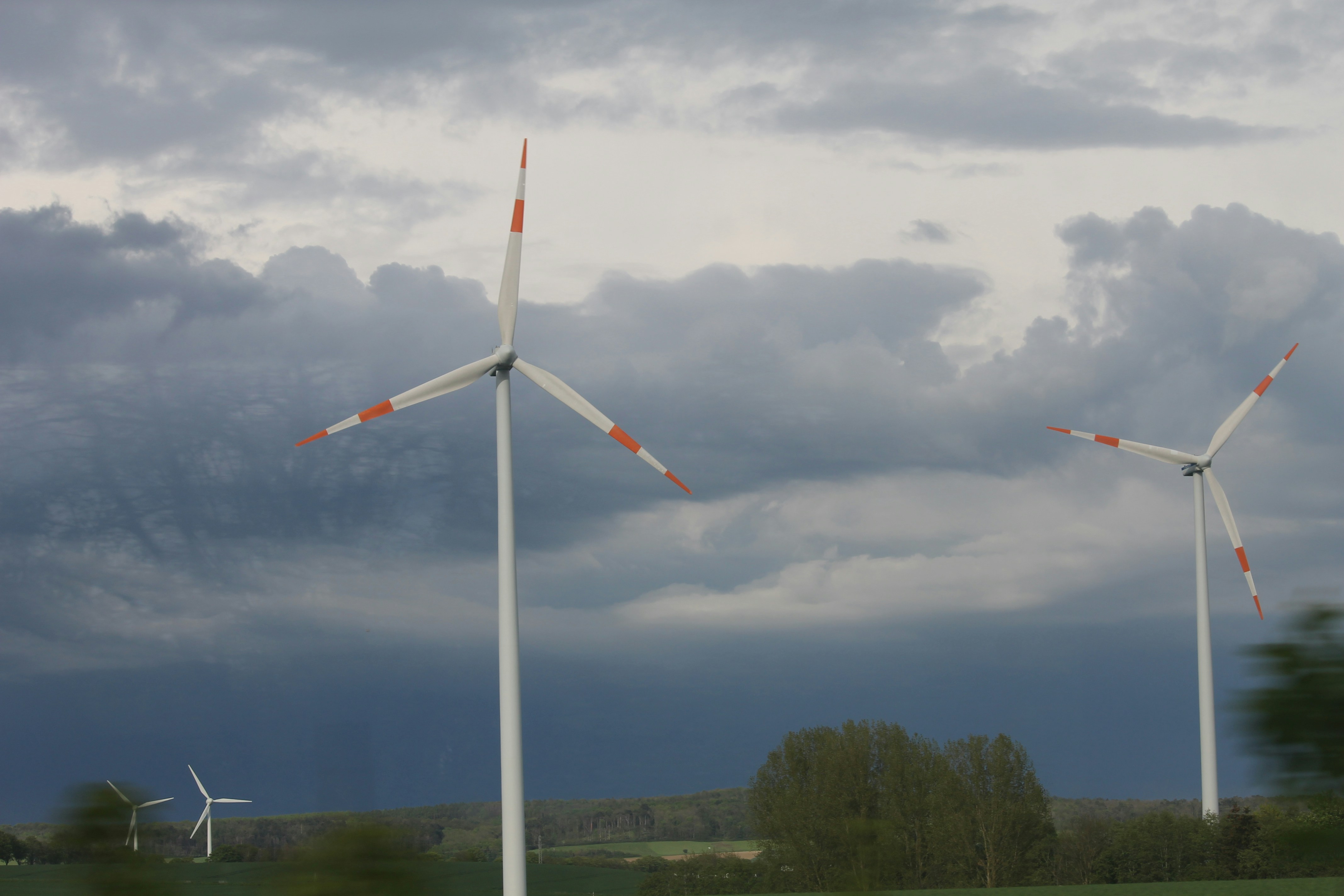
Renewable energy sources continue to play a relatively marginal role in the Czech power sector, particularly in terms of total electricity generation. Despite substantial solar development in recent years, the Czech energy mix remains predominantly based on nuclear power and fossil fuels.
The Czech Republic has long lagged behind other European Union member states in renewable energy, as the available European data confirm. According to Eurostat, Czechia had the lowest share of renewable electricity generation in the first quarter of 2025, the third-lowest in the second quarter and the second-lowest in the third quarter (data for the final quarter were not available when this report was published).
The years following the energy crisis have been positive for renewables, whose generation has continued to grow over the longer term. At the end of 2024, the Czech government also approved an update to the National Energy and Climate Plan, increasing the target share of renewable energy in gross final energy consumption from approximately 19% in 2024 to 30% in 2030. Meeting this target will require further support for renewable development combined with continued improvements in energy savings. The Czech target nevertheless remains well below the EU-wide target of 42.5% for 2030.
Renewables accounted for almost one fifth of total electricity generation
The year 2025 confirmed the growing role of renewable energy in the Czech power sector, particularly in terms of the absolute volume of electricity generated. Total renewable generation reached approximately 12.2 TWh in 2025, equivalent to around 17.1% of total electricity generation in the Czech Republic.
Generation was uneven throughout the year and strongly influenced by seasonal and weather conditions, with higher values typically recorded in summer and winter. The gradual year-on-year growth in renewable generation continued, confirming its increasing importance in the Czech power sector, even though its overall share remains constrained by the generation mix and the availability of suitable conditions.
Installed capacity is growing, but generation does not rise proportionally
The year 2025 confirmed the continuing acceleration of renewable development in the Czech Republic, particularly in installed capacity. Photovoltaics remained the main driver of growth. Their development was spurred by the 2022 energy crisis, which brought sharp increases in natural gas and electricity prices and heightened uncertainty over security of supply. Energy moved to the centre of attention for households, businesses and public authorities, shaping investment decisions in the years that followed.
The continued rapid growth in installed renewable capacity, particularly photovoltaics, further highlighted structural changes in the Czech energy mix in 2025. As installed capacity increased, renewable electricity generation also rose year on year, by just under 1 TWh.
Renewable generation grew between 2024 and 2025 even though hydropower plants produced less electricity. This reflected less favourable hydrological conditions than in the previous year, which had been affected by the autumn 2024 floods. Biomass-fired sources, by contrast, recorded a substantial increase of just under 0.7 TWh.
Faster permitting and new forms of renewable participation in 2024–2025
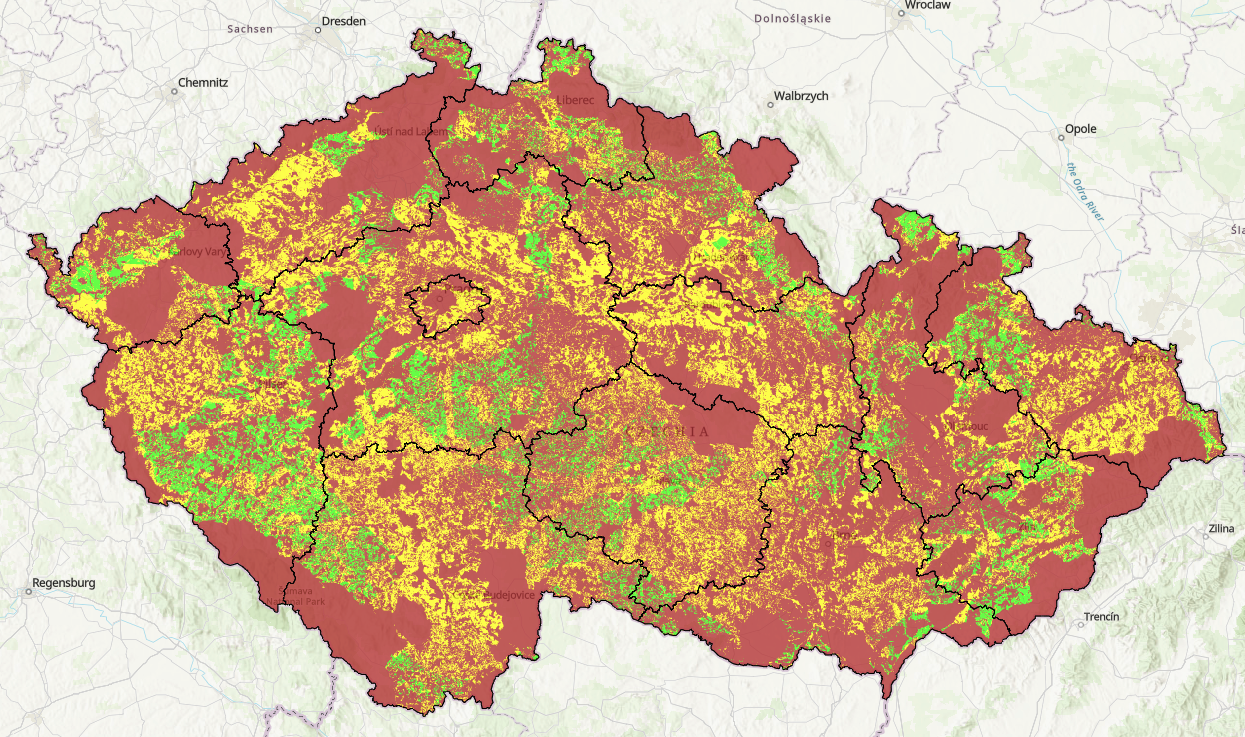
The years 2024 and 2025 brought a marked acceleration of legislative and institutional changes aimed at supporting renewable energy and related infrastructure in the Czech Republic. Alongside partial changes to permitting procedures, the concept of renewable acceleration areas is gradually being put into practice, with the aim of substantially simplifying and shortening the preparation of selected types of renewable project.
Acceleration areas are predefined zones for which a standardised preliminary assessment determines their suitability for renewable development. This approach substantially reduces the scope of individual assessments in subsequent proceedings and thereby shortens the overall permitting process. In 2025, the concept was also enshrined in a dedicated act on accelerating the use of renewable energy, which establishes a framework for designating acceleration areas in spatial planning and builds on the European concept of "go-to areas". These zones aim to reduce the preparation and approval process for renewable projects to no more than 12 months.
Alongside these "hard" changes to permitting, energy communities and electricity sharing through the Electricity Data Centre (EDC) also developed significantly in 2025. The EDC's interim solution enabled actual electricity sharing to begin on 1 August 2024. By the end of November that year, more than 5,300 sharing groups had been created, over 13,000 participants had registered and hundreds of MWh had been shared. The system then accelerated substantially during 2025: April alone recorded 4.68 GWh of sharing, and more than 35,000 participants across the Czech Republic took part. According to EDC data, small groups operating under the active-customer model account for the dominant share.
Alongside these main trends, agrivoltaics also emerged as a secondary topic in 2025. Discussion in the Czech context has so far focused primarily on vertical photovoltaic panels, typically oriented east–west. These installations are presented as creating less conflict with agricultural activity while potentially spreading generation across the morning and afternoon, thereby helping to align output more closely with the daily consumption profile.
Solar power
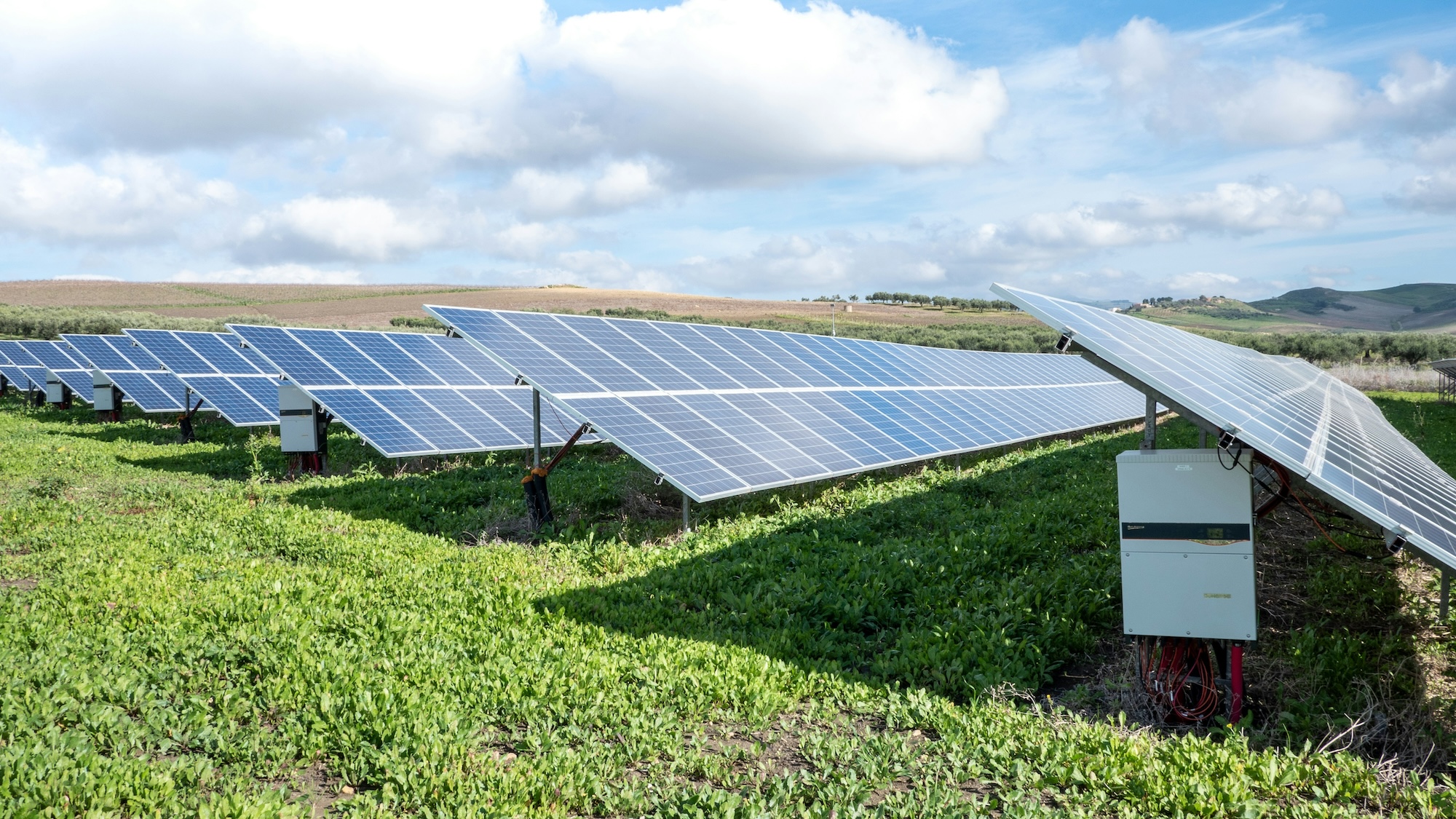
In recent years, solar power has once again become one of the key pillars of the Czech energy transition. Several factors drove its rapid development: households seeking to reduce electricity costs, interest in decentralisation and self-sufficiency, and subsidy programmes. As a result, after a break of more than a decade following the solar boom of 2010 and 2011, solar power has returned to the ranks of the fastest-growing energy sources in the Czech Republic.
The pace of growth is beginning to encounter its limits, however, and the sector faces new challenges, particularly economic ones. Nevertheless, solar remains the fastest-growing generation technology in the Czech Republic and is playing an increasingly important role in meeting domestic electricity consumption.
Electricity generation
Electricity generation from solar power plants increased by 20.5% year on year, rising from 3.9 TWh to 4.7 TWh. The total electricity generated by photovoltaic sources therefore corresponds to the annual consumption of approximately 1.3 million Czech households.
Solar is virtually the only source of electricity in the Czech Republic whose generation has increased consistently in recent years. This trend is gradually slowing, however. The residential photovoltaic segment, the main driver of growth in installed capacity and generation in 2023 and 2024, is beginning to lose momentum. Some of this decline is being offset by photovoltaics on commercial and apartment-building roofs, but this segment cannot yet fully compensate for the slowdown in residential construction. Large solar parks may also begin to grow in the coming years.
Higher solar generation was evident primarily in the first half of 2025. During the second half, output was already virtually identical to the previous year, indicating that additions of solar capacity are gradually declining. Solar generation rose by 31.5% in the first half of the year, but by only 9% in the second half.
Solar power accounted for 6.6% of total electricity generation in the Czech Republic in 2025, making it the country's third-largest source after nuclear and coal. Solar nevertheless remains more than 25 percentage points behind coal-fired plants, which account for roughly 33% of electricity generation.
Solar power is highly seasonal. Generation becomes more significant in the second half of April and begins to decline during August as conditions for producing electricity from sunlight deteriorate.
By monthly share, June was solar power's strongest month last year. Solar accounted for approximately 14.5% of total electricity generation and produced 654 GWh. This was both the highest monthly solar output on record and the highest share of solar in total generation during a single month. By contrast, solar's lowest shares came in January and December, at only around 1%.
A closer look at daily data shows that 14 June was solar power's strongest day last year. On that day, solar plants accounted for 20.55% of total electricity generation in the Czech Republic and generated 27 GWh.
Installed solar capacity
Installed solar capacity continues to grow appreciably, extending the upward trend that began in 2022.
Data from mid-2025 show, however, that additions are gradually declining. According to the Czech Solar Association, only 356 MWp was added by mid-year, compared with 484 MWp over the same period in 2024.
According to electricity distributors, 696.8 MW of installed capacity entered operation last year. The largest volume of solar capacity was connected to ČEZ Distribuce's network, totalling 491.6 MW. Newly connected capacity amounted to 184 MW in the EG.D distribution area and 21.2 MW in the PREdistribuce area. Total capacity commissioned last year was almost 20% lower year on year. Overall installed solar capacity now stands at around 5,000 MW.
Large solar parks accounted for only a small share of newly installed capacity, having gone unbuilt in the Czech Republic for many years. The main reason was the absence of operating support and the resulting uncertainty over returns on new investment. The year 2025 may, however, prove to be a turning point.
Twenty large photovoltaic plants of 1 MW or more entered operation in 2025. Two exceeded 10 MW: the Nové Sedlo and Litvínov photovoltaic plants, operated by companies in the PRE and ČEZ groups respectively.
| Name | Company | Capacity (MW) |
|---|---|---|
| FVE Nové Sedlo | PRE FVE Nové Sedlo, s.r.o. | 22,03 MW |
| FVE Dolní Litvínov | ČEZ, a. s. | 18,76 MW |
| FVE Záluží u Litvínova | ČEZ, a. s. | 9,61 MW |
| FVE Sudslava II. | Solar Panel Recycling s.r.o. | 5,28 MW |
| FVE Město Touškov | INVICTA.EU SE | 4,40 MW |
| FVE Tušimice II - Skládka paliva č. 3 | ČEZ, a. s. | 3,91 MW |
| FVE MARKVARTOVICE | FVE Markvartovice s.r.o. | 3,30 MW |
| FVE Milíkov | INVICTA.EU SE | 3,21 MW |
| FVE Přeštice II | Solar Přeštice s.r.o. | 2,76 MW |
| FVE Horní Ves II | FVE Horní Ves s.r.o. | 2,50 MW |
| FVE Plav | ČEZ, a. s. | 2,31 MW |
| FVE Nupaky_NU1 | CTP Energy CZ, spol. s r.o. | 2,01 MW |
| FVE Štoky | Sun Glint s.r.o. | 2,00 MW |
| FVE_ENGEL01 | Engel strojírenská spol. s r.o. | 1,60 MW |
| FVE Nížkovice | ROSTĚNICE,a.s. | 1,60 MW |
| FVE HELUZ cihlářský průmysl - Nový Heluz | HELUZ cihlářský průmysl a.s. | 1,49 MW |
| FVE Brno_F1 | CTP Energy CZ, spol. s r.o. | 1,35 MW |
| FVE Brno_D4 | CTP Energy CZ, spol. s r.o. | 1,29 MW |
| FVE OSMA | Ostendorf - OSMA s.r.o. | 1,27 MW |
| FVE Groz-Beckert | Groz-Beckert Czech s.r.o. | 1,13 MW |
| FVE MEDLOVICE | FOTON FVE s.r.o. | 1,03 MW |
The economics of solar power
The economics of solar power in the Czech Republic have changed significantly in recent years. The energy crisis triggered a construction boom driven by high electricity prices and the prospect of rapid payback, particularly in the residential sector. As prices have fallen towards a new normal, project returns and risk profiles have deteriorated markedly.
A key problem remains the mismatch between the solar generation profile and electricity prices over the course of the day. In other words, solar economics continue to be adversely affected by low electricity prices at the times when solar plants generate most often—around midday.
The result is a low capture rate: the ratio between the capture price achieved by solar plants and the average price on the day-ahead market. Low capture prices significantly reduce solar operators' actual revenues and lengthen investment payback periods.
Deteriorating market conditions are also affecting access to bank finance. Banks take a highly conservative approach to financing solar projects, particularly those without fixed guaranteed revenues, such as a power purchase agreement with a fixed purchase price or a similar mechanism. Without long-term electricity supply contracts or operating support, banks lack sufficient certainty of stable revenues from which loans can be repaid.
As a result, the economics of a substantial proportion of planned projects—particularly larger solar plants without battery storage—remain uncertain, and the projects may never progress beyond the development stage.
Solar power's economic challenges are closely linked to the so-called duck curve. High solar generation causes net power-system load to fall sharply around midday, followed by a rise in demand during the evening. The same shape is increasingly apparent in daily electricity price curves, with the lowest prices occurring around midday.
The duck curve results from insufficient flexibility, particularly storage, demand-side management and smart grids. Without adequate power-system flexibility, the effect will persist and solar power will not deliver sufficient economic returns.
Restoring operating support could offer a solution for planned projects, something solar-sector representatives have long called for. At present, however, no operating support for solar power is planned for the next three years. The sector must therefore continue to rely solely on investment grants, particularly from the Modernisation Fund.
Without systemic changes to market design, support for flexibility and a clear investment framework, the pace of new solar construction can be expected to slow further in the coming years, despite solar power's important role in the Czech energy transition.
Legislative changes simplifying solar development
The energy act amendment known as Lex RES III introduced major changes to solar legislation. It aims to accelerate and simplify permitting, reduce the administrative burden on investors and create a more predictable framework for renewable development.
Smaller installations
One key change raises the capacity threshold below which an electricity generation licence is not required. Installations of up to 100 kW of installed capacity now require no licence.
Renewable installations with a capacity of 100 kW or more are also now considered developments in the public interest. This status may play an important role in permitting, as it allows a solar project to take precedence over other proposals that do not serve the public interest when interests conflict.
Lex RES III also introduces maximum time limits for permitting and connection procedures, intended to improve legal certainty for investors and curb excessive delays:
- installations up to 150 kW: the permitting and connection procedure must not exceed 12 months;
- installations of 150 kW or more: the maximum period is 24 months;
- solar installations of up to 100 kW on artificial structures: the permitting process should be completed within one month.
The effect of these deadlines is limited, however. If permitting is not completed within the prescribed period, the project is not deemed approved and receives no other relief.
Acceleration zones and solar power
The new act on accelerating renewable development introduces acceleration zones as a means of further speeding up permits for photovoltaic and wind power plants. These are predefined areas in national, regional or municipal spatial-planning documents whose suitability is partially assessed in advance through a strategic environmental assessment (SEA). Final permitting for specific projects in these zones should therefore be considerably shorter, with a target of one year. Acceleration zones do not, however, imply automatic approval: projects must comply with planning documents and legislation, and authorities may restrict or reject them if they seriously conflict with protected public interests.
The act does not restrict development outside acceleration zones. An accelerated permitting regime is also being introduced elsewhere, under which the entire process should be completed within two years—a substantial improvement on current practice. This approach is essential because much of solar power's development potential lies outside acceleration zones, which will be designated gradually. Nature and landscape protection is maintained both inside and outside the zones through the relevant assessment procedures.
Wind power in the Czech Republic
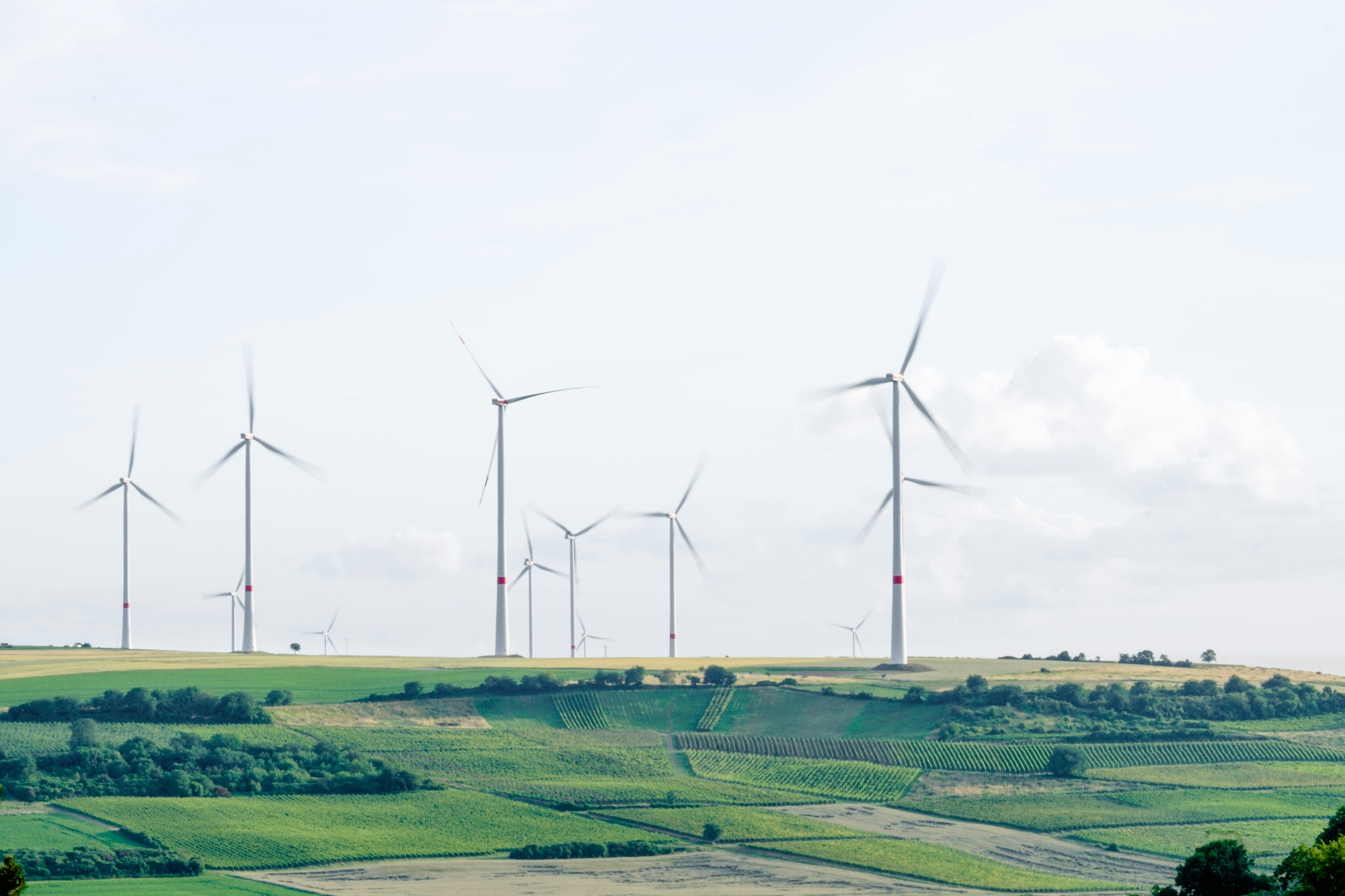
The year 2025 marked something of a turn for the better for Czech wind power. Although capacity additions remained modest, legislative changes (acceleration zones, higher limits and community energy) and investors’ extensive plans are creating the conditions for faster development in the years ahead. If the new laws and cooperation with municipalities prove effective, wind farm construction in the Czech Republic could accelerate in the near future. Whether these expectations are fulfilled will become clear only in the coming years, which will be pivotal in determining the sector’s direction.
Installed capacity and generation
In numerical terms, Czech wind power continued to lag behind the European average over the past year. Licences were issued for 17.73 MW of new wind capacity during 2025, and total installed wind capacity in the Czech Republic stood at 377.6 MW at the end of the year.
Several new wind farms entered operation in 2025. In total, these were four new projects with a combined capacity of 17.73 MW.
| Name | Company | Capacity (MW) |
|---|---|---|
| VTE Hať3-Jih | MTG Wind s.r.o. | 4,26 MW |
| VTE Vrbice II | VTE Vrbice s.r.o. | 2,35 MW |
| VP Dívčí Hrad | RenoEnergie, a.s. | 4,52 MW |
| VTE Maletín | VTE Maletín s.r.o. | 6,60 MW |
Wind generation nevertheless fell to its lowest level since 2018. Wind farms generated around 604 GWh of electricity in 2025, compared with 696 GWh in the previous year, a year-on-year decrease of 13%.
Wind farms have long made only a minimal contribution to total electricity generation, with their share remaining at around 1%. Last year was no exception, when the share was just 0.85%.
This share has remained low and stagnant over the long term. By comparison, electricity generated by wind farms accounts for an average of around 20% of electricity consumption across EU countries. Weak winds caused generation to fall by 11% year on year in the first half of 2025. Nevertheless, several new turbines led to a slight increase in installed capacity during 2025, which under identical weather conditions would also have produced modest growth in generation.
Like solar power, wind power is a relatively seasonal source. Unlike solar generation, wind generation is more significant in autumn and winter. In summer, by contrast, it tends to lag behind dominant solar generation.
New power plants commissioned in 2025
After a decade of stagnation, the first signs of new wind projects began to appear in 2025. The Maletín wind farm in the Šumperk area (Olomouc Region), for example, is among the projects that broke the long hiatus. It has three turbines with a combined capacity of 6.6 MW. Following a complex 12-year preparation period, construction began at the end of 2024, meaning that it appeared in the monitored statistics only this year. The wind farm entered trial operation in autumn 2025.
Another example is the expansion of the Vrbice wind farm near Valeč in the Karlovy Vary Region. A third wind turbine with a capacity of 2.3 MW was built there. With a total height of 190 metres, it is the tallest turbine in the Czech Republic. Although the turbine itself was erected in 2024, lengthy administrative procedures meant that it was not connected to the grid until November 2025. The operator also faces output restrictions due to insufficient distribution-grid capacity, so the new turbine cannot run at 100%.
Projects under construction and persistent permitting difficulties
The projects that have entered operation show that developments in Czech regions often face delays and technical obstacles. The newly established specialist building authority for renewable energy should also help: in 2025 it approved two new wind turbines in the Znojmo area, which will replace five older turbines. Other larger projects are meanwhile awaiting permits. A further 19 turbines with a combined capacity of 83 MW have already received a favourable EIA opinion and could begin operating in the coming years.
Developments in Czech business are also encouraging, with energy companies and investors significantly expanding their wind-farm project pipelines. The partly state-owned company ČEZ has announced plans to build more than 600 MW of wind capacity in cooperation with municipalities. It has already signed 41 cooperation agreements with municipalities in 11 regions. It is focusing on suitable sites in windier areas—not only the traditionally considered Vysočina Region, but also the Central Bohemian, Moravian-Silesian, Pardubice and Liberec regions.
ČEZ itself currently operates only 8 MW of wind capacity (two turbines in Věžnice in the Vysočina Region and two in Janov near Litomyšl), but plans to invest up to CZK 40 billion in new renewable energy sources, including wind farms, by 2030.
One of the largest projects now being prepared in the Czech Republic is the Ralsko wind farm in the Liberec Region. ČEZ plans to build up to 16 turbines with a combined capacity of 89–115 MW on the former military site. The Ralsko project is currently undergoing an EIA; the authorities require a thorough assessment of its effects on the landscape, public health and biodiversity, as well as alternative designs.
Auctions in practice: investor interest lags behind government plans
Financial support for new wind farms continues in the form of operating support awarded through auctions introduced in 2022. The government is gradually increasing the volume of capacity eligible for operating support in the auctions. For 2025, this comprised a total of 335 MW of new wind capacity and, for the first time, 30 MW of modernised wind capacity.
In practice, however, the auctions have so far fallen short. They were fully subscribed only in 2024 and in the second auction of 2023. Doubts emerged over whether the winning projects were sufficiently advanced and could be completed by the deadline specified in the auction terms (each auction sets a final date by which the relevant generating facility must enter operation). In the first auction of 2025, the Ministry of Industry and Trade therefore required participating projects to already hold a building permit under the Building Act.
The first auction under these stricter conditions was a failure. Only one bidder entered the auction, which offered support for up to 180 MW of installed capacity, with a 4.2 MW plant. The ministry subsequently relaxed the auction conditions again, and a building permit is no longer required to participate.
It is nevertheless expected that only faster permitting and a larger pipeline of projects—for example, thanks to acceleration zones—will allow the auctions to be fully subscribed and support to be allocated efficiently at the lowest possible cost to end customers or the state budget.
Acceleration zones and wind farms
The Czech Republic’s National Energy and Climate Plan assumes that 1,500 MW of wind capacity should be operating in the country by 2030. To this end, the state has adopted several legislative measures intended to accelerate the development of new sources. The introduction of so-called acceleration areas may be particularly important for wind turbines.
Within these pre-designated zones, the authorities will approve projects under a simplified procedure. The objective is to shorten the approximately ten-year permitting period currently typical for wind projects to as little as one year. In some cases, wind farms located in acceleration zones will also be exempt from the EIA process. Related infrastructure (grid connections, substations and storage) is likewise intended to receive accelerated approval. The specific boundaries of acceleration areas will be established through municipal spatial plans, regional development principles and the national development plan, and sites must be at least 500 metres from built-up areas.
The law also introduces a new wind-farm levy for municipalities: the operator will pay CZK 50 for every MWh generated (after deducting own consumption). A municipality may use a coefficient to reduce this amount to zero. The municipality will receive 98% of the levy’s proceeds, while 2% will go to the levy administrator (the municipal authority of a municipality with extended powers). This compensation mechanism is intended to provide municipalities with a long-term benefit from wind-farm operation and thereby facilitate negotiations with investors. It should be noted, however, that a number of investors had already attempted to apply this model, which is fairly common abroad, before it was enacted.
The Czech public is becoming more open to projects
Public and municipal attitudes towards wind-farm construction in the Czech Republic remain mixed. However, 2025 showed that alongside persistent scepticism there are also examples of active support. A wave of local referendums on wind farms was held in a total of 17 municipalities alongside the autumn parliamentary election in October 2025. The results varied: residents rejected wind-farm construction in nine cases, more than half of the total. On the other hand, the referendums produced favourable results for wind power in several other municipalities, suggesting that some communities may be beginning to reconsider their positions.
Perhaps the most striking positive example is the municipality of Rohov in the Opava area (Moravian-Silesian Region). In a November 2025 referendum, local residents approved by a clear majority a plan to build up to five wind turbines within the municipality. Turnout was 39.8%, and 67.7% of those voting supported the turbines, meaning that the referendum met the quorum and is binding.
This result is attributed in large part to the constructive strategy adopted by the investors and the municipality. Before the referendum, Rohov’s mayor negotiated extensive compensation for the municipality with potential investors. The company offered a one-off payment for each turbine built, regular annual payments throughout operation and even the possibility of sharing low-cost electricity with local consumers, as well as a commitment to fund local associations and municipal projects through a foundation.
Outlook and targets for the coming years
Under the updated National Energy and Climate Plan, installed wind capacity is to rise to 1,500 MW by 2030. This would mean roughly quadrupling current installed capacity in just five years. The outgoing government adopted the target, but the cabinet being formed after the 2025 election described it as unrealistic.
Politicians have indicated that they will reassess the plan in cooperation with regions and municipalities to ensure that it is realistic. Industry representatives counter that, given the current revival in investment activity and legislative changes, achieving the target cannot be ruled out. According to the Czech Renewable Energy Chamber, numerous projects are in preparation that could bring capacity significantly closer to 1.5 GW.
Hydropower: a stable source with development potential
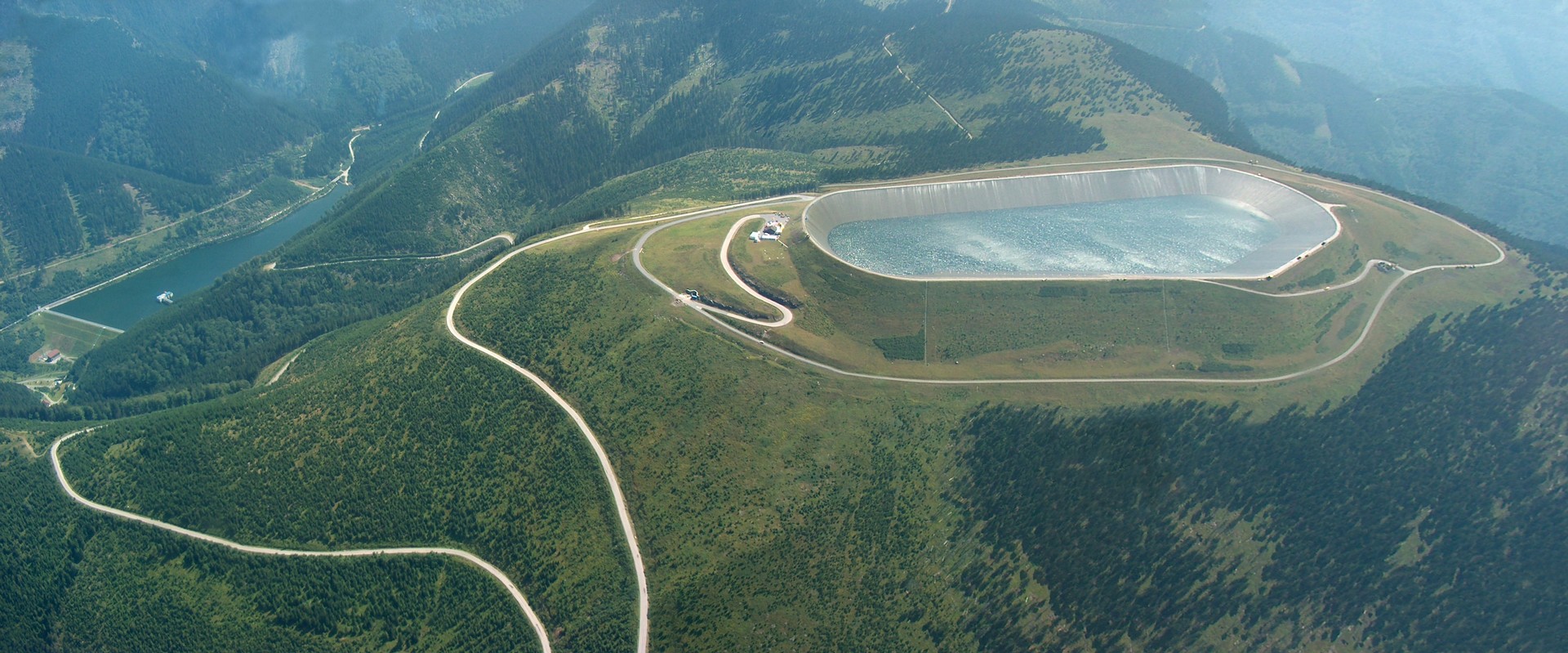
In 2025, hydropower remained something of a ‘quiet’ pillar of the Czech electricity sector, with no significant increase in installed capacity but growing importance to the system. As solar power continues to expand and introduces greater generation volatility into the grid, hydropower’s role is shifting primarily towards peak coverage, rapid balancing and storage. This trend is also evident across Europe, where the stabilising function of hydropower and growing interest in pumped-storage plants as a proven large-scale storage technology are receiving increasing emphasis.
The most visible development of 2025 was therefore the modernisation of key pumped-storage plants. At the end of the year, ČEZ completed a two-year, CZK 840 million modernisation of the Dlouhé stráně pumped-storage power plant. The generating unit then successfully completed a 72-hour trial run and returned to normal operation. The project focused on refurbishing parts of the turbine-generator set after almost 30 years of service.
The year 2025 also brought several important signals regarding support and investment incentives. The Modernisation Fund launched the technology-neutral RES+ 5/2025 call for renewable-energy storage, with an allocation of CZK 2 billion. It explicitly includes pumped-storage hydropower as one of the supported forms of storage flexibility, alongside batteries and hydrogen. Two projects with a combined installed capacity of 2.5 MW entered the Ministry of Industry and Trade auction for renewable-energy support and ultimately secured funding, so a small capacity increase can be expected in future.
Total annual hydropower generation in 2025 amounted to 2,649 GWh, almost 800 GWh less than in 2024. Hydropower therefore accounted for 3.63% of electricity generation in the Czech Republic, nearly one percentage point less than in 2024. As usual, hydro plants generated the most electricity in spring.
Biogas in the Czech Republic: stagnation and an uncertain future for support
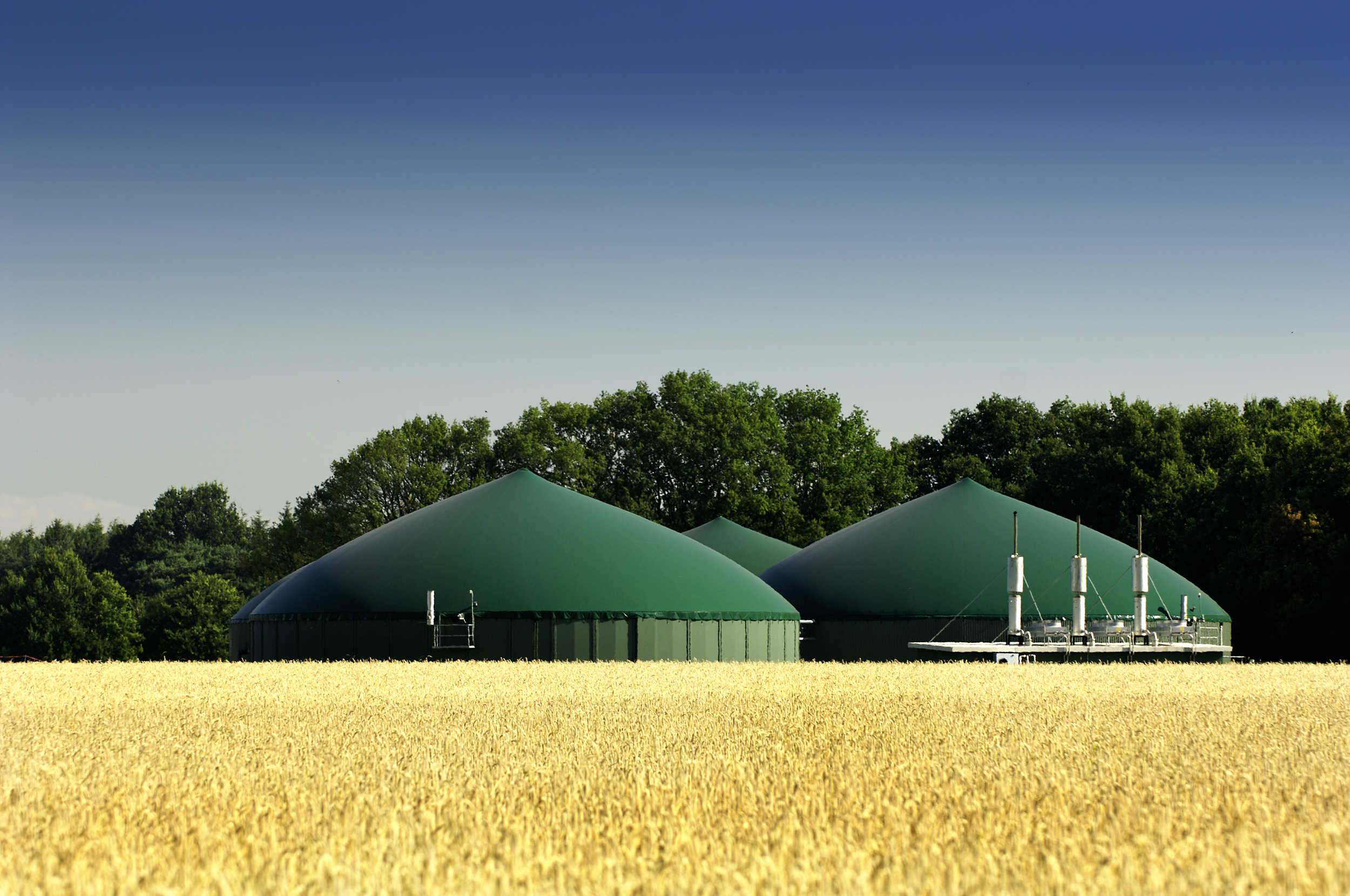
Around 600 biogas plants currently operate in the Czech Republic, approximately 400 of them agricultural. Their electricity generation has long remained at around 2.3 TWh annually (2.27 TWh in 2025), equivalent to approximately 3% of total electricity generation in the Czech Republic. Unlike other renewable sources, however, biogas generation has not grown significantly since 2015 and the sector is stagnating. Very few entirely new biogas plants have been built in recent years. None entered operation in 2025, and installed capacity remained at the previous year’s level. Total installed biogas-plant capacity is around 0.38 GW.
The development of the biogas sector was previously driven by generous operating support. Guaranteed feed-in tariffs and green bonuses expired for the first biogas plants at the end of 2025, and support will expire for more than half of all biogas plants by 2031. The continuation of support is uncertain, and many operators have warned that generation will not be profitable without subsidies. Analyses suggest that a significant proportion of biogas sources will cease operation unless a new support scheme is introduced.
The transmission system operator ČEPS estimates that installed biogas capacity will fall from around 380 MW today to just 100–200 MW over the next five years. Although the Ministry of Industry and Trade attempted to hold auctions supporting plant modernisation in 2022–2024, covering around 5 MW annually, none received a bid. In response to the lack of interest, the state decided not to hold further auctions for biogas-plant modernisation in 2025–2027. This further deepens uncertainty in the sector and particularly threatens smaller projects for which operating subsidies were essential.
There is nevertheless at least an indication of where the future of biogas may lie. According to estimates by the consultancy EGÚ Brno, biogas-plant owners could benefit from investing in conversion to biomethane, which could replace some natural gas. The sector’s attention is therefore now focused on modernising existing biogas plants and producing biomethane, which can be upgraded to natural-gas quality and injected into the gas grid or used in transport.
Biomethane: fresh impetus for the biogas sector
Biomethane production—upgraded biogas with the properties of natural gas—has only recently moved beyond its initial phase in the Czech Republic. The first biogas-upgrading units entered operation in 2019, and by 2024 their number had risen to only ten plants. By comparison, more than 1,500 biomethane facilities operate across EU countries, and European biomethane production capacity grew by 37% in 2023 alone, to a total of 6.4 billion m³ per year.
The Czech Republic still lags significantly behind: current annual biomethane production is estimated at around 6 million m³, only a fraction of domestic gas consumption. Yet the Czech National Energy and Climate Plan assumed that more than 55 million m³ of biomethane would already be produced annually by this point. That level has not come close to being achieved. Progress was made in 2024, however, when new biomethane plants entered operation in the South Moravian municipalities of Rakvice (Břeclav District) and Vyškov and began supplying ‘green gas’ to the gas grid.
One uses agricultural waste, while the other processes all types of biodegradable waste. Further projects are under construction, including a new biogas plant with biomethane-upgrading technology in Krakořice near Šternberk, which is due to be connected to the GasNet network in 2025.
Energy companies are also entering the sector. At the end of 2024, innogy purchased a biogas plant in Písek with the aim of converting it into a biomethane production facility. The first wave of investment intended to accelerate this new direction is thus emerging.
Government support should also help. In 2023, the European Commission approved a Czech biomethane-production support scheme worth approximately CZK 60 billion. It allows producers to receive a biomethane green bonus—a premium on the market price of gas—for 20 years.
This operating incentive is intended to ensure an economic return on investment in biogas-upgrading technology. However, support is available only to projects launched by the end of 2025. Experts warn that the relatively short window for drawing subsidies poses a risk: preparing and permitting new biomethane projects takes longer, and not all funds may be used in time. Even so, the sector has high expectations for biomethane.
The Czech Biomass Association (CZ Biom) estimates that dozens of biomethane plants could be built in the Czech Republic in the coming years. The greatest potential lies in converting existing agricultural biogas plants—of which there are almost 400—into biomethane facilities. Many are within reach of the gas grid, and three quarters of all biomethane feedstocks, particularly manure and livestock-production waste, come from agriculture. Converting these plants would enable waste to be used more efficiently, prevent methane emissions into the atmosphere and replace part of imported fossil gas with a domestic renewable source.
Realising the Czech Republic’s biomethane potential will depend on how quickly planned projects are implemented, the availability of investment funding and the maintenance of a stable government support framework. Successful biomethane development would not only keep existing biogas plants operating as their support expires, but would also help decarbonise the gas sector, just as biomass contributes to decarbonising district heating.
Biomass in the Czech Republic: growing importance and challenges for district heating
Biomass (solid wood fuels, wood chips, pellets and similar materials) is playing an increasingly important role, particularly in district heating and combined heat and power generation. At the end of 2025, 77 licensed biomass facilities with a combined installed capacity of around 2.3 GW were operating in the country. Biomass has generated more than 2.2 TWh of electricity annually since 2020, rising to 2.9 TWh in 2025.
Virtually no new biomass generation capacity was added in 2025, apart from the smaller 175 kW Energoblok Blatno plant. Growth in generation therefore stems mainly from greater use of existing sources. Biomass is used for electricity generation not only in dedicated biomass CHP plants but also through co-firing at existing power plants, for example by mixing wood chips with coal.
Biomass is also an important small-scale energy source. Modern pellet and log boilers are widely used in households. Interest in wood and pellet heating persists, especially in areas beyond the reach of the gas network. Given technological constraints—the need for locally available fuel and storage space—the use of biomass in small installations is better suited to rural areas and detached houses. Biomass therefore plays its main role in the Czech energy sector in larger heat and power sources, particularly district-heating systems.
District heating itself is undergoing a dynamic transformation in which biomass plays a key role. Biomass accounts for almost 90% of all renewable heat production in the Czech Republic, around 10,000 TJ annually. As the coal phase-out accelerates, a growing number of CHP plants are switching from coal to other fuels, often biomass or a combination of biomass and natural gas. According to the Association for District Heating of the Czech Republic, ten CHP plants ceased or substantially reduced coal combustion in 2022–2024. They replaced more than 500,000 tonnes of coal annually with cleaner fuels—biomass, natural gas or waste-derived fuels—and thereby cut CO₂ emissions by more than 600,000 tonnes a year.
Examples include CHP plants in Planá nad Lužnicí and Tábor, which switched to biomass; Strakonice, where biomass accounts for around 98% of fuel; Dvůr Králové, with a new wood-chip boiler; and Kolín, where a coal boiler was converted to burn pure biomass. Large projects to switch to biomass or gaseous fuels are also under construction in larger cities, with the aim of completing the coal phase-out by 2030.
The largest current investment in this area is the modernisation of the ŠKO-ENERGO industrial CHP plant in Mladá Boleslav, which supplies the Škoda Auto factory and the city of Mladá Boleslav. A CZK 4.5 billion conversion began in September 2024, with the aim of switching to 100% biomass combustion by 2027. A Modernisation Fund grant will cover roughly half of the investment.
Similar projects are under way or being prepared in other regional capitals. Total investment in replacing coal at CHP plants is estimated to exceed CZK 200 billion by the end of the decade. The ČEZ Group also confirmed this development in its shareholder report published in September 2025. The Modernisation Fund, which uses proceeds from emissions-allowance sales to support low-emission technologies, is a crucial source of finance.
Authors
oEnergetice.cz
For ten years, the oEnergetice.cz online portal has brought together news, expert information and data from the energy sector, commodity markets and policy on a single platform. It gives professionals and the wider public an overview of current developments in Czech, European and global energy and helps readers better understand the key issues shaping Czech society.
Data used to prepare the report
This report on the Czech energy sector in 2025 was prepared using the most up-to-date information available on its publication date. All data, analyses and conclusions are based on verified sources, including:
- Transparency ENTSO-E;
- the Energostat section of oEnergetice.cz;
- European Resource Adequacy Assessment 2025 (ERAA 2025);
- the 2023 study of renewables and system controllability;
- Energy Regulatory Office operating reports;
- the oEnergetice.cz electricity price comparison tool;
- Assessment of resource adequacy in the Czech electricity system to 2040 (MAF CZ 2023);
- our own analyses and calculations.
Unless expressly stated otherwise, the generation figures for individual sources represent net generation.
The data in this report are valid as at the publication date and may be updated when new information becomes available. Figures may therefore change as the energy sector develops or datasets are updated. The report’s authors accept no liability for damage caused by improper use of the information contained in this document.
Readers are advised to verify key information directly against the original sources before using it.
For questions or feedback about the report, please contact us at report2025@oenergetice.cz.