
8 November 2026, 20:02
Loading...
Brake on high emissions allowance prices: EP approves its position on ETS 2

oEnergetice.cz, ČTK
29 April 2026, 13:58
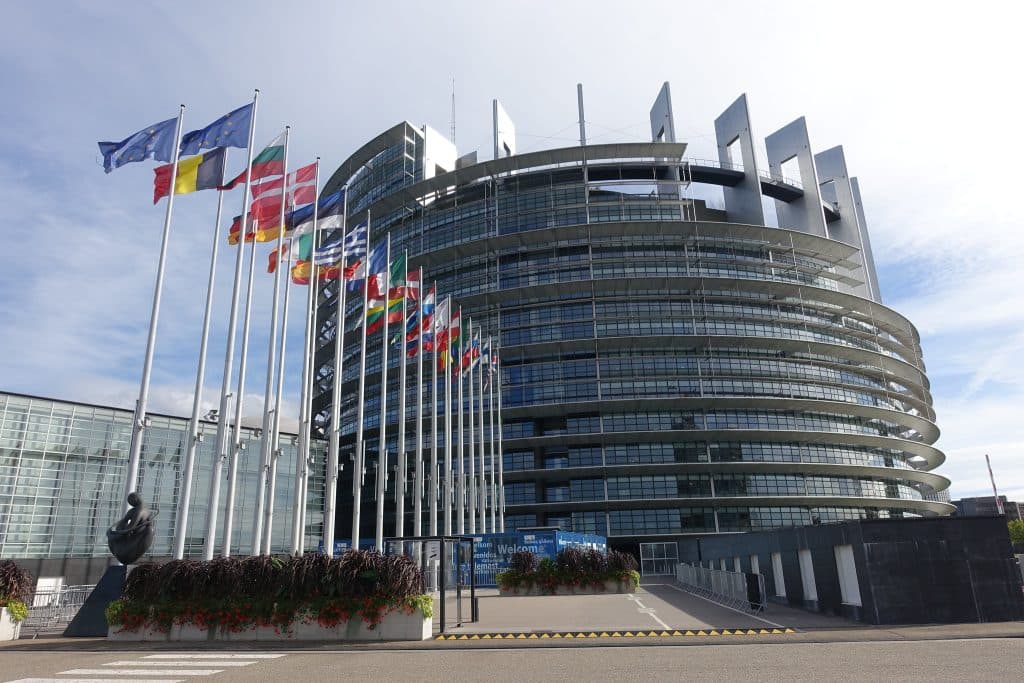
The European Parliament (EP) today approved its position on the European Commission’s (EC) proposal to amend the Market Stability Reserve in the EU’s new emissions trading system for road transport, buildings and other sectors, EU ETS 2, which is due to enter into force in 2028. If prices rise, the EP’s proposal would allow allowances to be released from the Market Stability Reserve a month earlier than the EC has proposed, and calls for a cap on the price per tonne of CO2.
The EU Emissions Trading System (EU ETS) is designed to encourage emissions reductions. Companies have to buy allowances for every tonne of carbon dioxide they emit. The more they emit, the higher their costs, giving them an incentive to invest in cleaner technologies. EU ETS 1 is Europe’s main emissions allowance market, covering the energy sector, heavy industry and aviation in the EU. The expansion of the system, EU ETS 2, is due to start in 2028 following a one-year delay and is expected to cover road transport and building heating. The introduction of ETS 2 is also set to include a Social Climate Fund to mitigate the impact on low-income households.
A total of 433 MEPs voted in favour of the position, 120 against, while 91 abstained.
The changes to ETS 2 proposed by the EP are intended to strengthen protections for households against sharp price fluctuations in emissions allowances. The proposal’s rapporteur is Czech MEP Danuše Nerudová (STAN). It includes the option of releasing allowances from the Market Stability Reserve a month earlier than the EC has proposed if prices rise sharply and suddenly. MEPs also want unallocated allowances to remain in the reserve after 2031, and propose extending the price cap of 45 euros (over CZK 1,000) per tonne of CO2 beyond 2029, at this year’s prices.

Household emissions. Source: Pixabay
MEPs also stress the need for complementary decarbonisation measures to help households reduce their dependence on fossil fuels. They also propose considering the temporary exclusion of residential buildings from ETS 2 if countries introduce other measures to meet climate targets, in order to mitigate the social impact on citizens.
Negotiations with the EU Council, which represents the member states, are now on the agenda. The so-called trilogue negotiations could conclude before the summer.
The Czech Republic, under the previous government of Prime Minister Petr Fiala, was among 19 countries calling for changes to the system at EU level and stronger price brakes in ETS 2 to protect households from high prices. The new Czech government of Prime Minister Andrej Babiš rejects the system outright.
Translation disclaimer
This article is a machine translation of the Czech original and has not yet been fully reviewed. In case of any doubt, please refer to the Czech version.
Sdílejte článek prostřednictvím:
You might also like

8 November 2026, 13:59

8 November 2026, 08:10
7 November 2026, 17:23