British path to 'net zero': CO2 emissions must fall by 87% by 2040

The United Kingdom’s path to a decarbonised economy lies primarily in electrification and zero-emission electricity generation, according to its advisory body, the Climate Change Committee (CCC). Greenhouse gas emissions are to fall by 87% by 2040 compared with 1990. The net costs of implementing the proposed plan are expected to average 0.2% of GDP per year.
The British advisory body CCC presented a plan to achieve net zero greenhouse gas emissions by 2050 alongside the publication of its proposed carbon budget for 2038 to 2042. Under the plan, greenhouse gas emissions are to fall by 87% by 2040 compared with 1990, with the electrification of transport, heating and industry, and the decarbonisation of the electricity generation sector, set to play the main role.
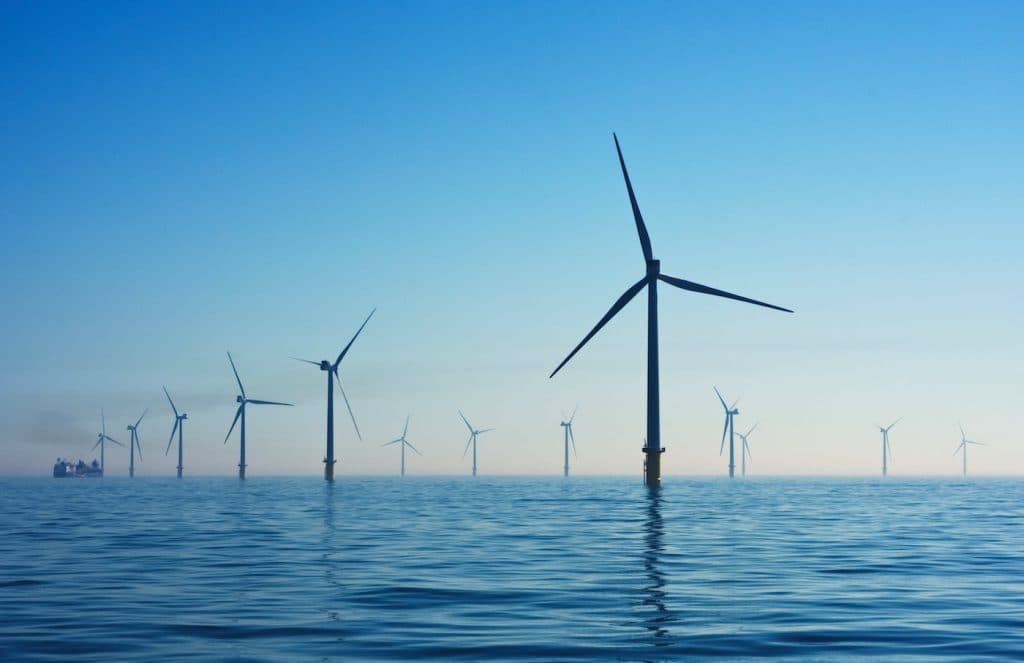
Offshore wind farms are expected to become a key technology for generating zero-emission electricity, with installed capacity set to increase from 15 GW in 2023 to 88 GW in 2040. Installed capacity at onshore wind farms is also expected to grow significantly (to 32 GW by 2040), as is solar capacity (to 82 GW by 2040).
The committee also highlighted the need to develop nuclear power plants, low-carbon dispatchable generation (either gas-fired plants combined with carbon capture and storage technology, or hydrogen-fired plants), energy storage and the need to strengthen the grid.
Lower bills and energy security
Implementing the proposed decarbonisation pathway will bring UK households lower energy bills (by £716 a year) and lower transport costs (by £699 a year), according to the CCC. It is also expected to strengthen energy security and the resilience of the British economy by reducing dependence on imported energy commodities. Imports are set to fall from 867 TWh in 2025 to 202 TWh in 2050.
The private sector is expected to cover 65% to 90% of the investment required to implement individual measures, meaning public funding should not exceed 2% of total public spending in any year, according to the CCC. Overall, the published plan is expected to result in an average net reduction in GDP of 0.2% per year.
Translation disclaimer
This article is a machine translation of the Czech original and has not yet been fully reviewed. In case of any doubt, please refer to the Czech version.




