Global carbon capture capacity could increase sixfold by 2030

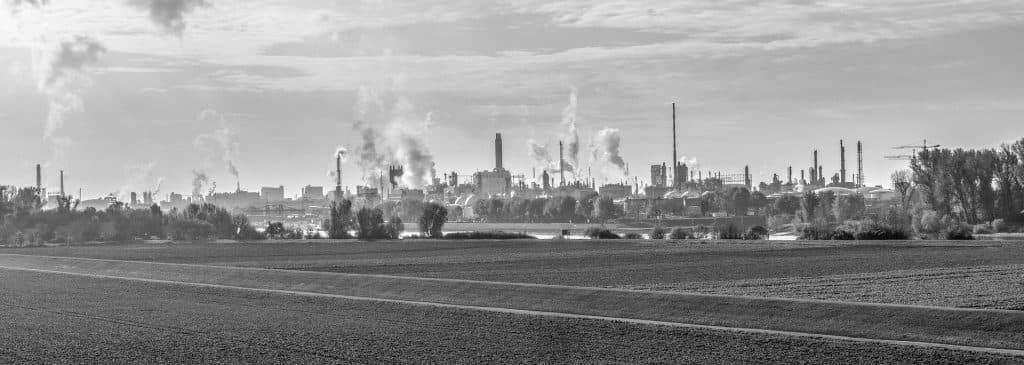
Global carbon capture capacity could reach 279 million tonnes/year by 2030. That is more than six times the current capacity of these facilities, which stands at 43 million tonnes/year. This is according to a forecast by researchers at BloombergNEF (BNEF).
If all announced projects focused on capturing and storing CO2 emissions were completed, these facilities could capture nearly 280 million tonnes of CO2 emissions in 2030. At present, they capture around 43 million tonnes of CO2 emissions per year. For comparison, according to data published by Eurostat, greenhouse gas emissions in the EU amounted to 3.1 billion tonnes in 2020.
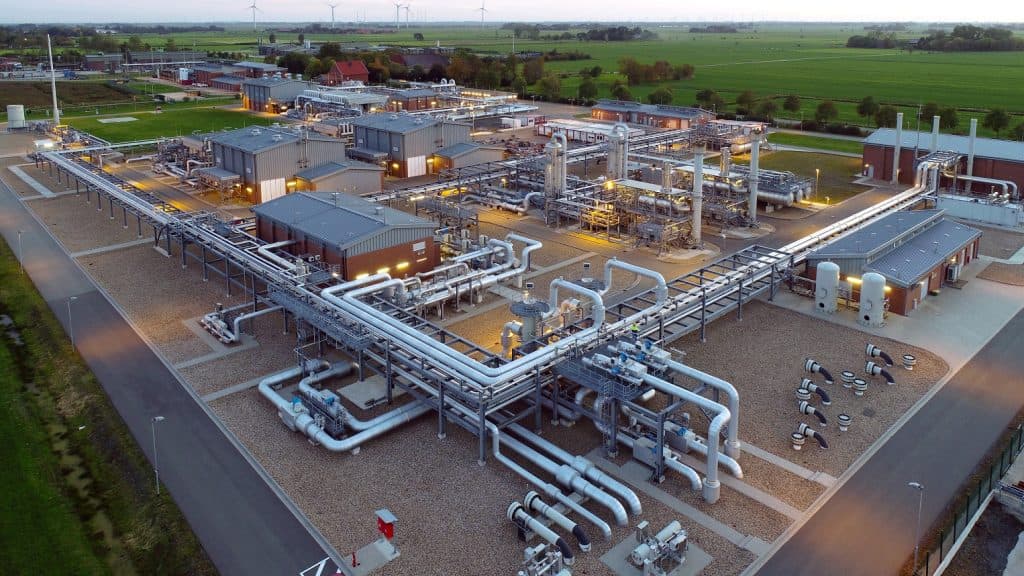
According to BNEF, most carbon capture facilities are currently used in natural gas processing. By 2030, around half of these facilities are expected to be used in power generation and in the production of low-carbon hydrogen and ammonia.
"Carbon capture, utilization and storage (CCUS) facilities are a key technology needed to decarbonize sectors such as petrochemicals and cement, and to provide round-the-clock power generation at natural gas-fired power plants equipped with this technology. Despite a significant acceleration in the development of this sector over the past two years, however, carbon capture capacity is not being developed quickly enough to meet climate targets for the end of this decade," BNEF said.
Translation disclaimer
This article is a machine translation of the Czech original and has not yet been fully reviewed. In case of any doubt, please refer to the Czech version.
The article continues for subscribers
Premium content
The rest of this article is available to premium subscribers only. Get access to all premium articles on oEnergetice.cz.
Best value: annual subscription
Monthly option 4 € / month
3.25 €/ month