
27 September 2026, 08:37
Loading...
Where to store captured CO₂? German plans run up against North Sea limits

Jan Budín
25 September 2026, 11:17
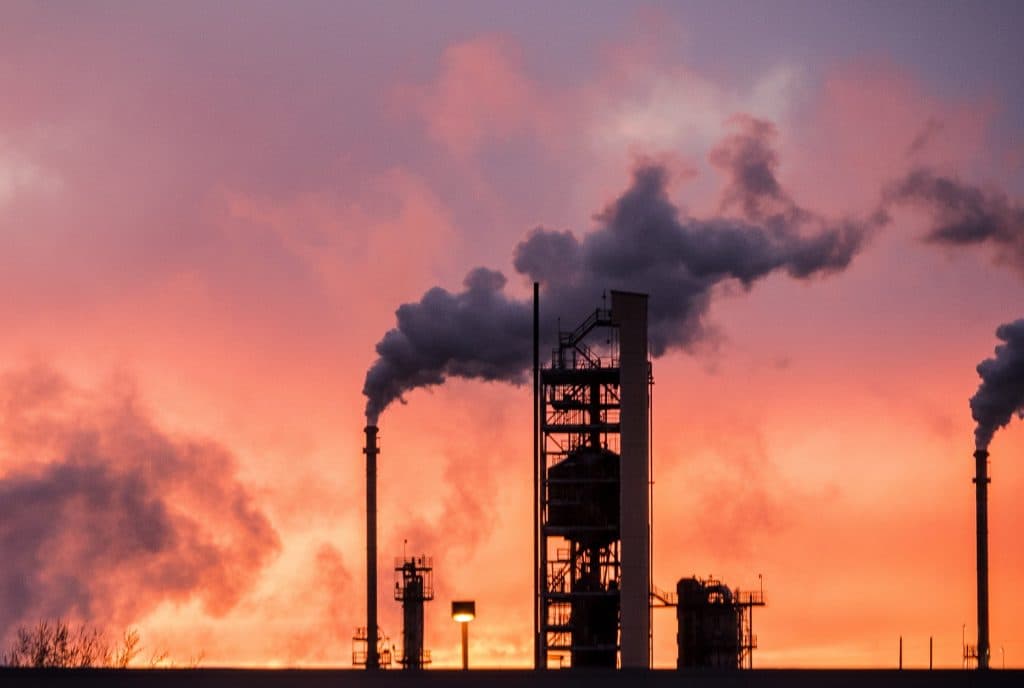
The practically usable capacity of the German part of the North Sea for the long-term storage of captured CO₂ may be significantly lower than theoretical geological estimates suggest. The findings come as the Netherlands has launched Europe’s largest carbon capture project to date.
A study by the Öko-Institut, prepared for the German Environment Agency (UBA), warns that the quality of geological structures beneath the seabed will not be the only decisive factor in planning domestic infrastructure for projects focused on capturing and storing greenhouse gas emissions (CCS). A significant share of promising areas has been designated for nature conservation, the development of offshore wind farms or military purposes.
An essential tool for industrial decarbonisation
The German government has included CCS among the tools needed to achieve climate neutrality by 2045 and describes the technology as essential. However, the new report suggests that a political decision to support carbon storage will not, on its own, ensure there are enough viable sites.
Translation disclaimer
This article is a machine translation of the Czech original and has not yet been fully reviewed. In case of any doubt, please refer to the Czech version.
The article continues for subscribers
Premium content
The rest of this article is available to premium subscribers only. Get access to all premium articles on oEnergetice.cz.
You have read only 27% of the article — unlock the remaining 73% with a premium subscription.
Best value: annual subscription
Monthly option 4 € / month
3.25 €/ month
You might also like
26 September 2026, 13:54
26 September 2026, 07:42
25 September 2026, 11:17
25 September 2026, 09:51