Will the EU's carbon border tax accelerate the energy transition in the Western Balkans?
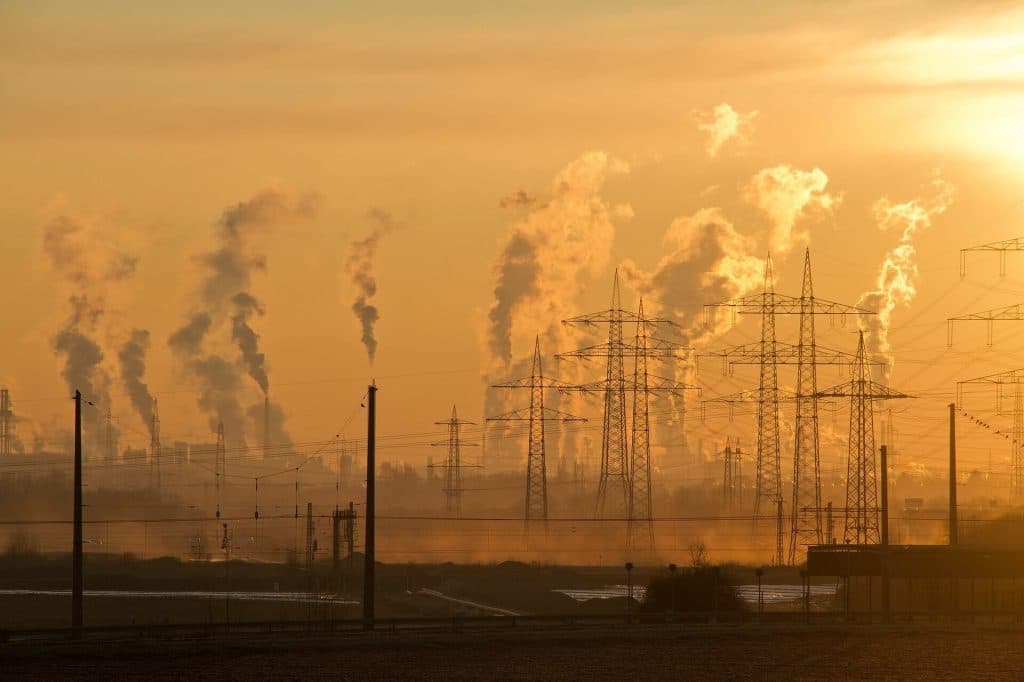
The newly approved EU Carbon Border Adjustment Mechanism (CBAM) is likely to be a test for Western Balkan countries seeking to join the bloc and trying to align with EU law. The impact of the mechanism, which is effectively a carbon tariff, on Balkan states will vary depending on how advanced their climate policies are, how much electricity they export and their energy mix.
Last year, the EU agreed to introduce the world's first levy on imports of carbon-intensive goods as a way of encouraging its trading partners to adopt stricter climate policies and protecting its own industry.
The measure will take effect in 2026 and will also apply to imports of high-carbon energy. This could mean steep charges on electricity imported into the EU from the Western Balkans, as Euractiv noted.
“Until now, it has really been up to the Western Balkan countries how quickly they wanted to make progress towards EU membership and how quickly they wanted to advance the energy transition as a whole. But the Carbon Border Adjustment Mechanism, because it is an instrument decided by the EU, has changed the whole picture,” said Pippa Gallop, energy adviser for Southeast Europe at the NGO CEE Bankwatch.
Translation disclaimer
This article is a machine translation of the Czech original and has not yet been fully reviewed. In case of any doubt, please refer to the Czech version.
The article continues for subscribers
Premium content
The rest of this article is available to premium subscribers only. Get access to all premium articles on oEnergetice.cz.
You have read only 21% of the article — unlock the remaining 79% with a premium subscription.
Best value: annual subscription
Monthly option 4 € / month
3.25 €/ month