Russia overtakes Australia as South Korea's largest coal supplier

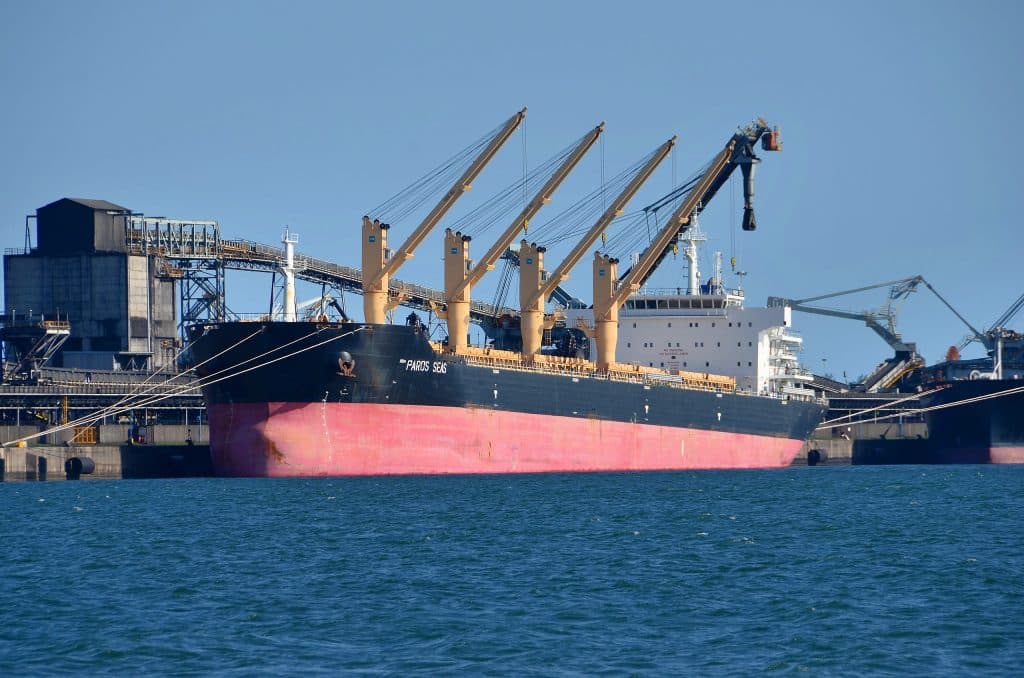
Although the Russian coal sector appears to have been hit harder by European sanctions than any other area of energy, the country continues to export to other regions. Russian coal is shipped to South Korea, for example, and last month Russia even became the largest supplier to the South Korean market. This was partly due to congestion at key export terminals in Australia, which opened the way for larger coal shipments to Korea not only from Russia but also from Indonesia.
Operators of South Korean coal-fired power plants have been increasing coal imports from Russia and Indonesia since June this year, according to S&P Global. The reasons were the usual seasonal rise in demand during the summer and restrictions at key export terminals in Australia. Delays and disruptions caused by adverse weather limited coal shipments from the Australian terminal at Newcastle.
According to S&P Global, Russia overtook Australia in August to become South Korea's largest coal supplier. Last month, the country delivered 3.76 million tonnes of coal to South Korea, more than 50% more than a year earlier.
Indonesia came a close second, with 3.74 million tonnes. Russia and Indonesia therefore accounted for almost two-thirds of all coal imports into the country in August. Australia shipped 2.7 million tonnes of coal to South Korea that month, almost a quarter less than in July.
"Congestion in Australia is not easing, and traders in Northeast Asia are turning to Russia and Indonesia for reliability and cost-effectiveness," a Singapore-based trader told S&P Global.
According to another trader, based in the United Arab Emirates, the favorable price of Russian coal is also contributing to higher imports to South Korea. As recently as April, 3.1 million tonnes of coal were shipped to the country from Australia.
Analysts expect Russia and Indonesia to maintain their strong position in the South Korean market, according to S&P Global. Higher imports have also been driven by increased demand for coal following the closure of Unit 4 at South Korea's Kori nuclear power plant after its operating license expired.
Translation disclaimer
This article is a machine translation of the Czech original and has not yet been fully reviewed. In case of any doubt, please refer to the Czech version.




