How the world is coping with the war in Iran: Europe cushions the impact, China bets on self-sufficiency

Six months after the US and Israeli attacks on Iran began, the consequences of the conflict are shaping the energy transition in practically every region of the world. The impact varies most according to the level of dependence on imports, domestic resources and governments’ ability to balance the goals of ensuring energy affordability, security of supply and long-term sustainability.
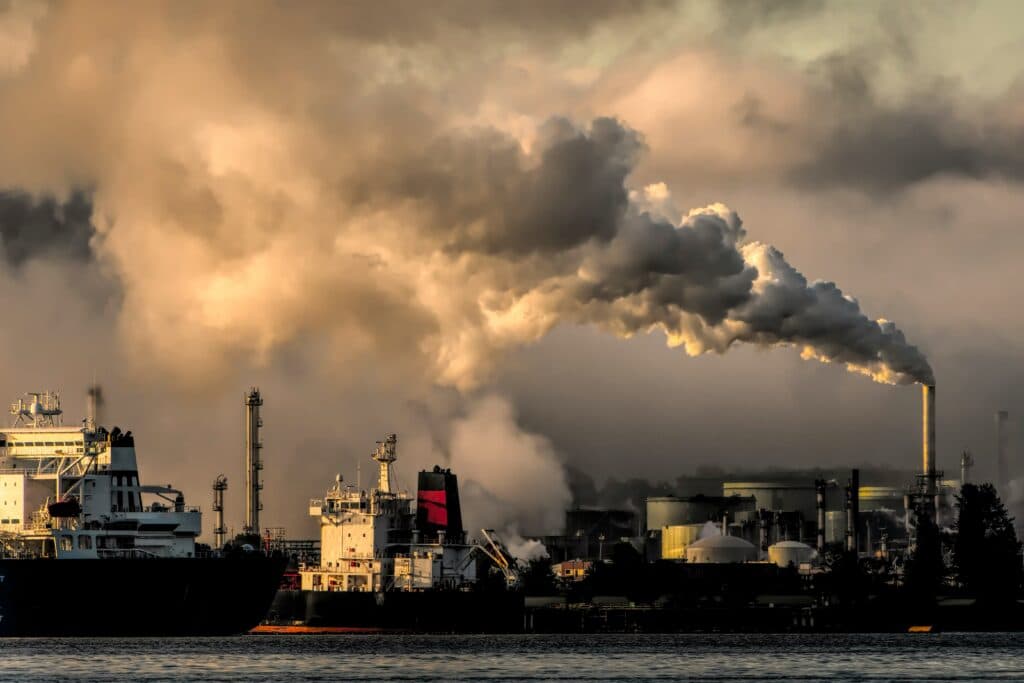
Europe has been hit particularly hard by the conflict because of its dependence on oil products from the Persian Gulf: almost half of the EU’s jet fuel imports and roughly a fifth of its diesel imports pass through the Strait of Hormuz. The impact on jet fuel supplies has nevertheless been milder than initially expected, partly thanks to weaker demand, alternative imports and higher output from European refineries.
Europe’s power sector is more resilient to higher gas prices than it was at the start of the war in Ukraine. Renewables now account for 35% of electricity generation across five major European markets, compared with 24% in 2021. Lower demand has also helped soften the price shock.
Translation disclaimer
This article is a machine translation of the Czech original and has not yet been fully reviewed. In case of any doubt, please refer to the Czech version.
The article continues for subscribers
Premium content
The rest of this article is available to premium subscribers only. Get access to all premium articles on oEnergetice.cz.
You have read only 28% of the article — unlock the remaining 72% with a premium subscription.
Best value: annual subscription
Monthly option 4 € / month
3.25 €/ month