
3 October 2026, 13:01
Loading...
Key maritime artery stirs back to life. Strait of Hormuz sees highest traffic since April

oEnergetice.cz, ČTK
19 June 2026, 14:31
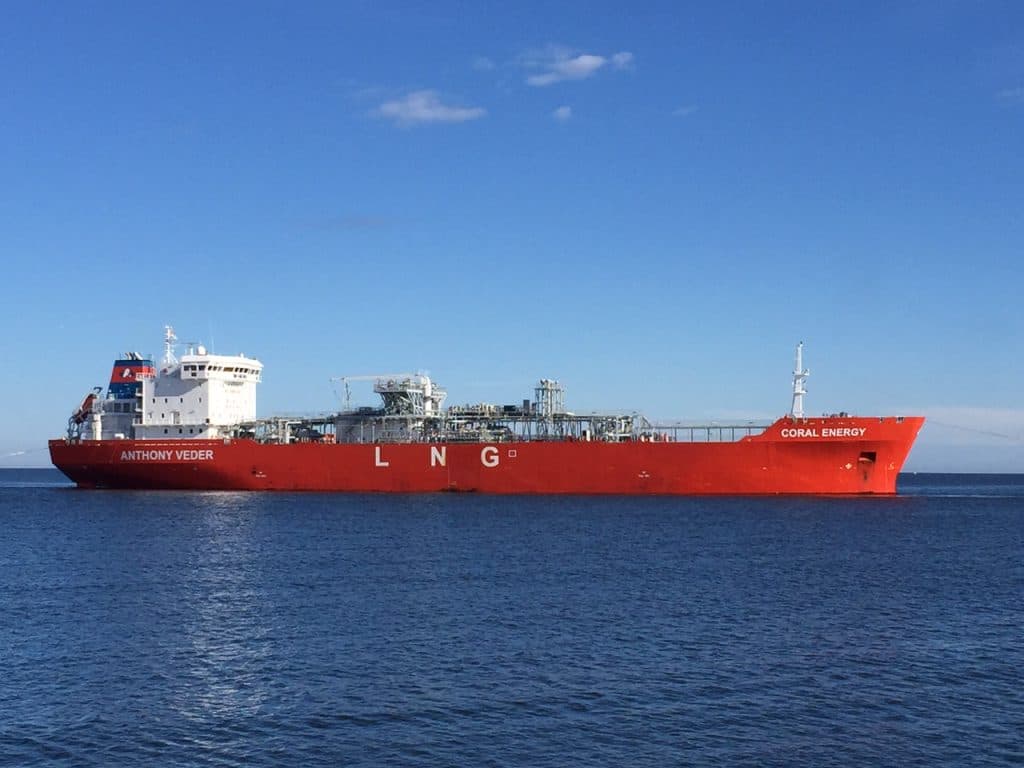
Twenty-five ships passed through the Strait of Hormuz on Thursday, the specialist platform AXSMarine said today. That is the highest number since mid-April, when US and Iranian forces blockaded the strait, and roughly five times the daily average at the beginning of June. Traffic is still around one-fifth of the level seen just before the war began, which the United States and Israel launched with an attack on Iran at the end of February.
"Yesterday (Thursday – ČTK note), we recorded 25 confirmed commercial vessels passing through the Strait of Hormuz," AXSMarine said.
It added that this was the highest number since 18 April.
On Wednesday, US President Donald Trump and Iranian President Masoud Pezeshkian signed a memorandum remotely that provides, among other things, for the resumption of shipping through the Strait of Hormuz. The US military said on Thursday that it had stopped enforcing its blockade of Iranian ships and ports, which it introduced in the first half of April. Iranian authorities also announced that they would allow traffic through the Strait of Hormuz to increase as soon as possible.
Iran's authority for navigation in the Strait of Hormuz said today, according to Reuters, that it would guarantee passage to ships that submit an official request. This must be done at least 48 hours before the voyage. The authority confirmed that it would not charge any fees for passage until around mid-August. The agreement between Iran and the United States provides for this period.
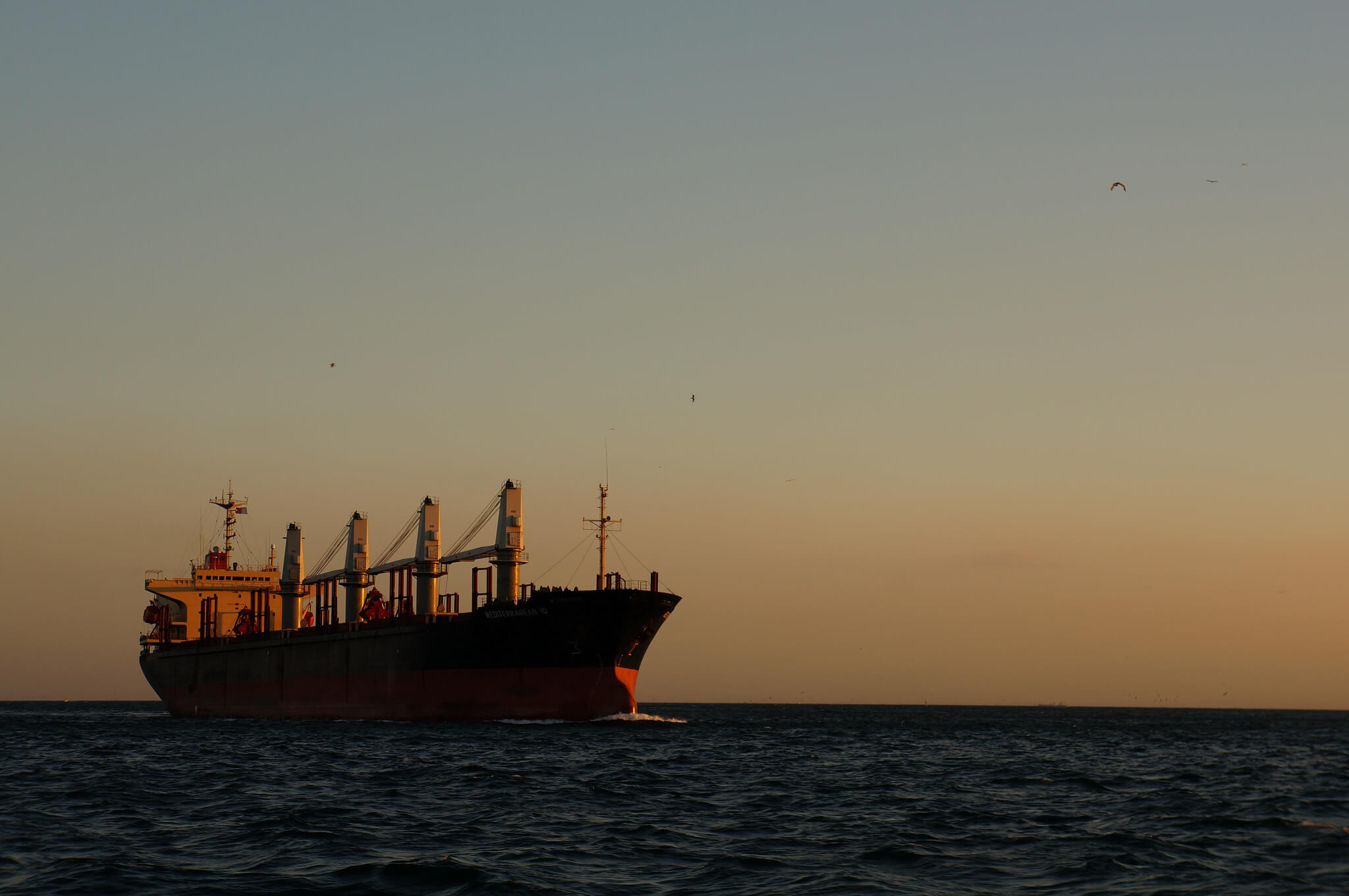
Oil tanker in the Bosphorus. Source: Teo Romera / Creative Commons / CC BY-SA 2.0
According to UN agencies, before the war broke out on 28 February, an average of 129 ships a day passed through the Strait of Hormuz. AXSMarine puts the average at 110 ships a day, based on data for all of last year. Shortly after hostilities began on 28 February this year, traffic through the strait fell to almost zero. According to UN data, at least 25 movements through the strait have been recorded only twice since then: on 1 March and 18 April. Since March, the average number of ships passing through the Strait of Hormuz has fallen to 8.6 vessels, AXSMarine says.
The Strait of Hormuz lies on a globally important maritime route for transporting oil, liquefied natural gas (LNG), petroleum products and fertilizers. The near-total halt in shipping through the strait led to a significant rise in prices for these commodities on global markets.
Translation disclaimer
This article is a machine translation of the Czech original and has not yet been fully reviewed. In case of any doubt, please refer to the Czech version.
Sdílejte článek prostřednictvím:
You might also like

3 October 2026, 07:43
2 October 2026, 21:55

2 October 2026, 15:14