
17 October 2026, 13:09
Loading...
The number of hours with negative electricity prices in Europe is rising sharply

David Vobořil
16 July 2025, 13:10
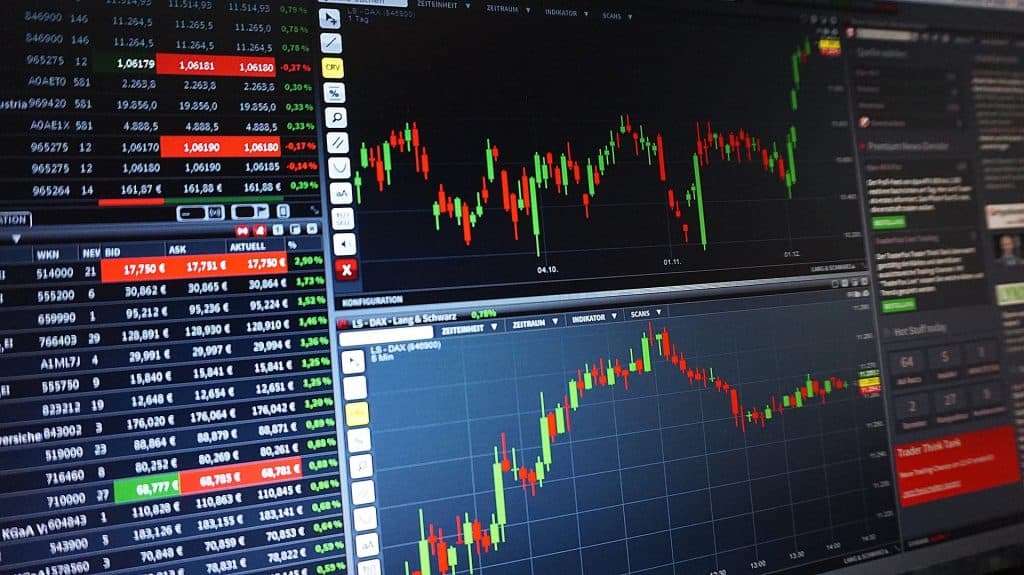
This year, the number of hours with negative electricity prices in Europe has risen significantly. This is mainly due to high output from solar power plants and stagnant electricity consumption. According to analysts at Montel, the third quarter of this year is set to be a record period for negative electricity prices.
In 2025, Europe has seen a sharp rise in the number of hours when wholesale electricity prices fall into negative territory. This trend is the result of a combination of high output from renewable energy sources, particularly solar power plants, and stagnant or only slightly rising electricity demand.
Negative prices are most often recorded around midday, specifically during the 13th and 14th hours, when solar power generation peaks and electricity supply on the market exceeds current demand. Analysts at Montel forecast that the third quarter of 2025 will set a record for the number of hours with negative prices.
"So far in 2025, we have recorded significantly more negative prices across most of Europe than during the same period last year," analyst Ben Wrigley said.
In addition to the increase in negative prices, price differences between afternoon hours and the evening peak are widening. According to Montel Analytics' quarterly report, this trend is most pronounced in Germany, the Netherlands and Belgium, countries with a high share of solar power plants in their generation mix.
"Germany, the Netherlands and Belgium are likely to continue recording significantly negative prices in the afternoon, followed by high prices in the evening as fossil fuel generation increases," director Jean-Paul Harreman said in Montel Analytics' latest quarterly report.
In both Germany and the Netherlands, the number of hours with negative electricity prices on the spot market so far this year is approaching the total for all of last year.
Although the increase in hours with negative electricity prices is less pronounced in Czechia, the trend is the same as in the countries mentioned above.
Record growth in solar generation, stagnant demand
Solar power generation in Europe reached a record 104.4 TWh in the second quarter, up more than 20% year on year. The largest producers remain Germany (29 TWh), Spain (15.8 TWh) and France (9.9 TWh).
By contrast, coal-fired generation in the EU continued to fall. It totalled 52.2 TWh in the second quarter, 11% lower than last year and the lowest quarterly figure on record.
According to the Montel Analytics report, there is no clear sign of a major increase in electrification on the consumption side, meaning electricity demand remains at a similar level to previous years. This mismatch between rapidly growing generation and stagnant demand is a key factor behind the emergence of negative prices.
Translation disclaimer
This article is a machine translation of the Czech original and has not yet been fully reviewed. In case of any doubt, please refer to the Czech version.
Sdílejte článek prostřednictvím:
You might also like




16 October 2026, 10:16