9 October 2026, 06:22
Loading...
Electricity sharing is approaching in Czechia. Households can receive grants of up to 600,000 crowns
Ekonews.cz
4 December 2023, 16:37
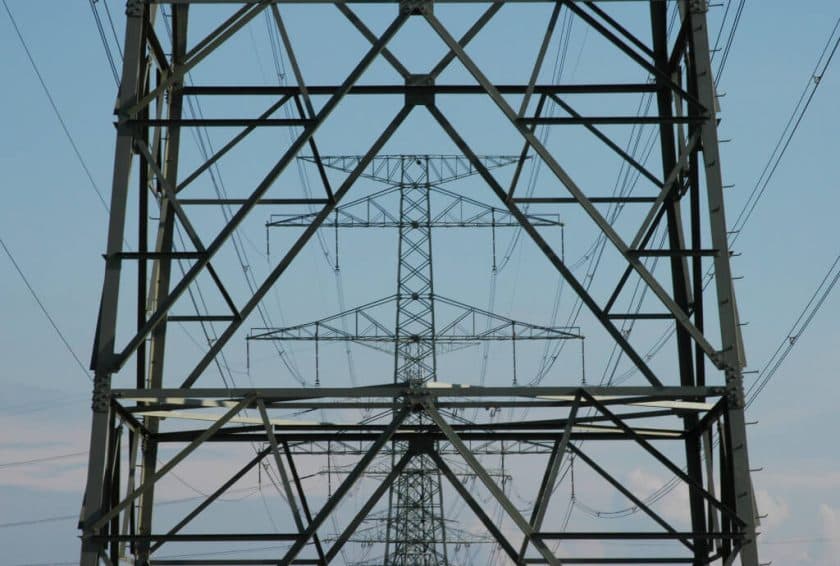
98 million crowns will be allocated to the establishment of energy communities. The Ministry of the Environment aims to support at least forty projects. The wine-growing village of Brumovice near Břeclav is also preparing to submit an application.
Czechs will probably have to wait until the third quarter of next year for the launch of community energy. On 1 December, the Chamber of Deputies debated and approved the necessary amendment to the Energy Act. The legislation will now go to the Senate and will ultimately be signed by the president.
Energy sharing is intended to help citizens’ wallets as well as the environment. “The aim is to increase the use of renewable energy sources, improve energy efficiency and combat energy poverty, especially in households and small and medium-sized enterprises. Establishing energy communities is one of our steps towards achieving these goals,” says Environment Minister Petr Hladík (KDU-ČSL).
Although electricity sharing will not be possible for another few months, the Ministry of the Environment has already prepared a grant call for the establishment of energy communities. Community energy is built precisely around them. Households, municipalities and small and medium-sized enterprises will be able to send the kilowatt-hours they generate to one another.
Communities will receive 98 million crowns from the National Recovery Plan under the grant call. They will receive funding to prepare materials such as technical and financial plans, train coordinators and fund their work, or organise workshops to raise awareness of sharing. Municipalities, their contributory organisations, citizens themselves—for example in apartment buildings—and small and medium-sized enterprises may apply for support.
Another piece of the community puzzle
Brumovice in South Moravia also intends to apply for the grant. This summer, locals in the village of more than one thousand residents established a contributory organisation called Energetická Brumovice. Its director, Daniel Ullmann, manages the municipality’s energy operations. He has worked on building automation for years and uses this experience to seek the greatest possible savings. Since February this year, he has also been an energy coordinator at MAS Hustopečsko, a voluntary non-profit association.
In his view, South Moravia is ideal for establishing communities. “People here gather and live together. They engage jointly in folklore or winemaking. Community energy then fits into all of this as another piece of the community puzzle. It is natural,” Ullmann tells Ekonews.
In Brumovice, in addition to the municipality and households, a furniture company, a lift manufacturer and local tradespeople are also interested in sharing. “In the ideal scenario, we want to involve 20 percent of metering points in sharing. I am convinced that people who already have their own generation sources on their homes will be interested in community sharing,” the director explains.
They do not want to rely solely on solar in the Hustopeče area. “We want to cover the whole year in energy terms and not rely only on photovoltaics, which simply are not enough in winter,” he adds. A cogeneration unit could be the solution. Thanks to sunny summer weather, when there is surplus energy they could produce biomass processed into pellets from wood chips, of which there is plenty locally thanks to the surrounding vineyards.
It is the local “contributory organisation”, Energetická Brumovice, that will apply for financial support. According to Ullmann, a community that is no longer directly tied to the municipality will subsequently be established.
State funding will speed up the launch
“The grant is extremely important to us. It is not that we would not establish the community if we did not get it; that would happen anyway. But with it, we can start operating as early as next year. The process will be accelerated by several months,” Ullmann explains.
“People will join the community only when it brings them some benefit. Everyone can easily calculate whether it pays off for them. State support will significantly reduce our entry costs, which will then not fall on members,” adds the director of the contributory organisation.
In Brumovice, they want to use the funding obtained to prepare technical studies, financial plans and legal analyses. At the same time, they want to use it to organise meetings with citizens and pay a coordinator to take care of the entire project. Without detailed plans and good management, sharing could end in fiasco.
“Just modelling an allocation key for sixteen municipal buildings and public lighting took me several hours before I eventually gave up altogether. It is very complicated. I cannot imagine creating a plan for fifty buildings. You need a real expert at both the technical and legal levels to work on it full-time,” Ullmann explains why adequate remuneration for this position is essential.
Grants range from 600,000 to three million crowns
“The method of sharing must be prepared and contractually established before an energy community is set up. It may seem like minor support, but there are quite a lot of steps that need to be thought through and prepared administratively,” Minister Hladík confirms.
The call will support the establishment of at least forty projects. The winners will be decided through a two-round competition, the first part of which will run from 1 December until the end of January next year. More comprehensive proposals will be given priority.
Winners will receive 60 percent of the grant in advance. The ministry will provide the remainder after accounts have been settled and all necessary documents submitted. Projects can receive support covering up to 90 percent of all costs if they are not VAT payers. If they pay VAT, they can receive no more than 70 percent.
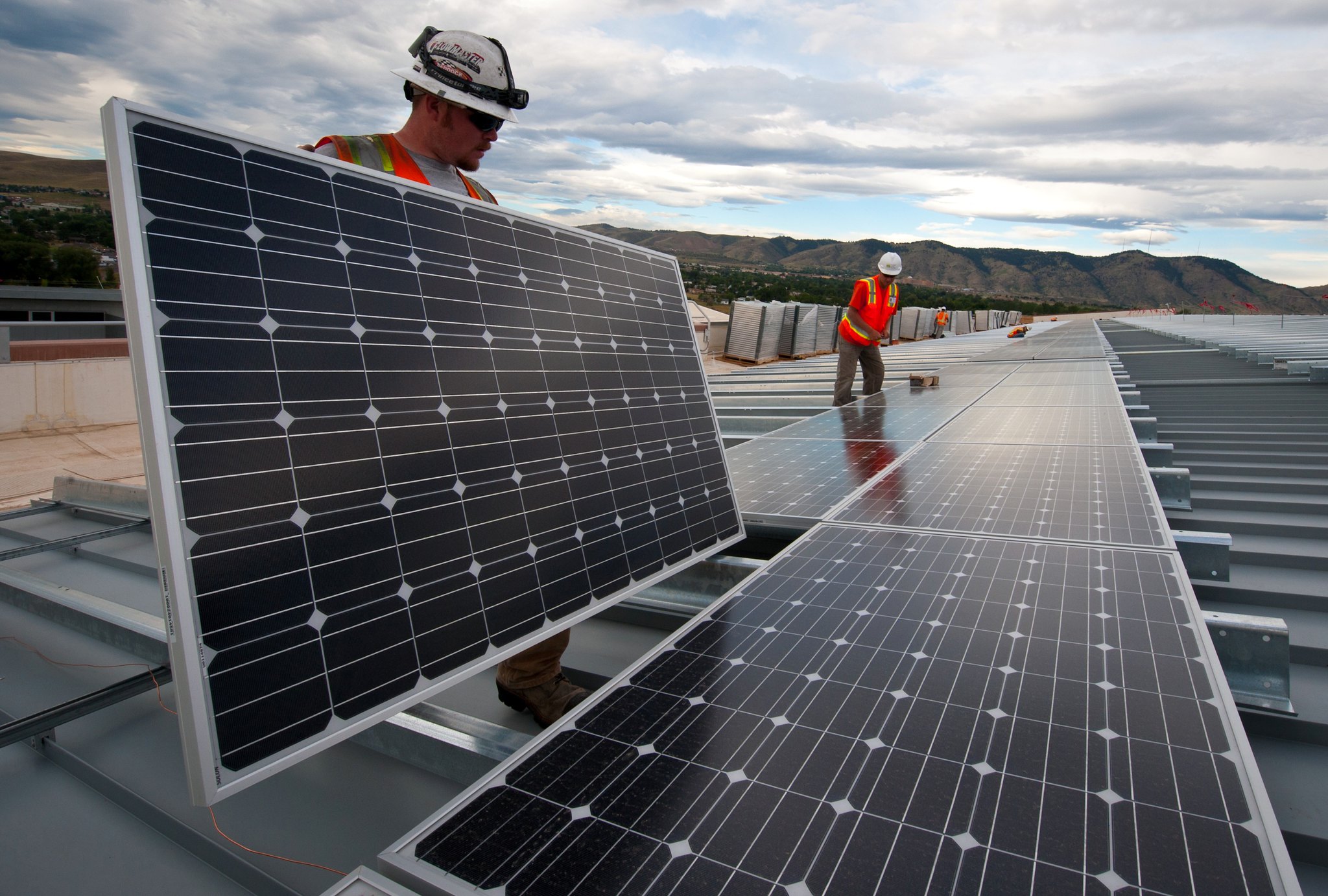
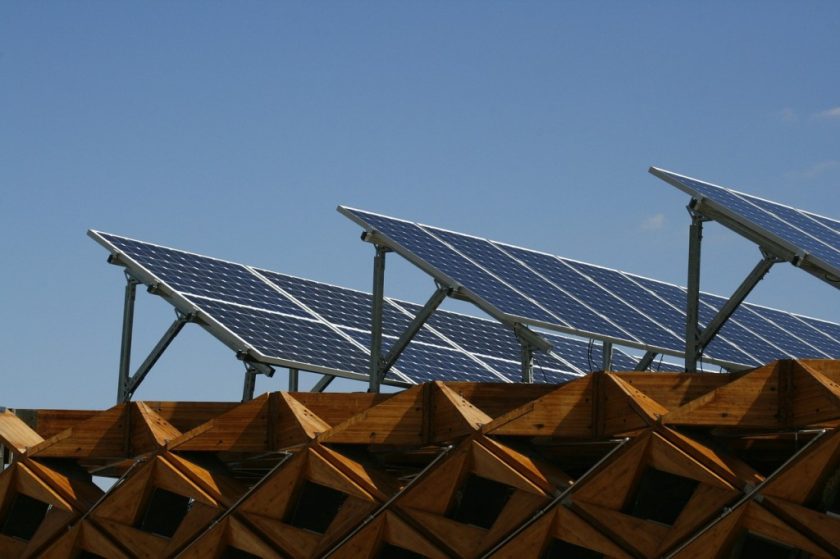
Installation of a rooftop solar power plant. Source: GW Solar Institute / Creative Commons / Public Domain Mark 1.0
“An application can be submitted before, during or after the establishment of an energy community,” specifies Petr Valdman, director of the State Environmental Fund of the Czech Republic. However, the community must be established no later than six months before the application for the final payment is submitted.
Depending on their size, projects can apply for different levels of support. The first category includes households in apartment buildings and family houses. They can receive up to 600,000 crowns. The second includes communities made up exclusively of either the public sector or the citizen sector. The ministry will support the transfer of electricity generated on the town hall roof to a school, cultural centre and other municipal buildings with up to 1.5 million crowns.
The remaining two categories can receive a maximum of three million crowns. The third type comprises buildings from different sectors, allowing households, companies and municipalities to join at the same time. The planned Brumovice community also falls into this category. The final special category, 3+, includes proposals covering an area larger than three municipalities with extended powers.
Interest is enormous
“The grant programme presented by KDU-ČSL Minister Petr Hladík is the first truly valid step by this governing coalition towards launching community energy in Czechia,” Ondřej Pašek, a community energy expert at Friends of the Earth Czech Republic and head of the grant working group at the Community Energy Union, told Ekonews.
“With the aim of supporting 40 projects, it is a small but significant step, as it will make it possible to demonstrate in practice the various models of energy communities that can work here,” he adds. However, he also points out that the necessary legislation is still missing from the Czech legal system.
“Interest in the grant is enormous; more than 500 people registered for a seminar about it. This makes it all the more urgent to approve the amendment to the Energy Act in Parliament and also prepare support for further projects from the Modernisation Fund,” he notes.
Republished from EkoNews.cz, a website covering business and sustainability.
Translation disclaimer
This article is a machine translation of the Czech original and has not yet been fully reviewed. In case of any doubt, please refer to the Czech version.
Sdílejte článek prostřednictvím:
You might also like
8 October 2026, 10:05