Micro combined heat and power (micro-CHP) is an environmentally friendly and efficient modern solution that is also accessible to a wide range of users. This technology currently uses primarily natural gas, but is fully ready to switch to biomethane. This means it can become a key pillar of the decarbonisation of smaller buildings.
Small-scale combined heat and power (CHP) generation is an ideal choice for housing cooperatives, hospitals, schools, public offices and care homes – in other words, for all buildings that require stable and economical supplies of both heat and electricity. With efficiency of up to 90 percent and the ability to use surplus heat generated during electricity production, it delivers savings of up to 25 to 30 percent in primary energy compared with separate electricity and heat generation. This means not only lower operating costs, but also significantly lower greenhouse gas emissions. When switching to biomethane – a renewable fuel produced from biological waste – this technology becomes almost emission-free.
Micro-CHP also makes it possible to increase the energy independence of buildings. The electricity generated can be used directly at the point of consumption, for example by distributing it throughout the building or to adjacent buildings, reducing distribution costs. Surplus energy can even be sold to the grid. Combined with photovoltaic panels, micro-CHP can provide electricity and heat throughout the year without dependence on weather conditions.
Micro-CHP throughout the year
You might argue that a gas boiler is a safe bet. To some extent, this is true: a gas boiler is indeed a reliable solution for heating and water heating. It is popular primarily because of its lower upfront costs and simple installation. However, unlike micro-CHP, it cannot generate electricity, which means higher operating costs when consuming electricity.
Another heating alternative may be heat pumps, which are environmentally friendly devices powered by electricity to produce heat. They are ideal for low-energy homes and provide very low emissions. However, their efficiency declines at low outdoor temperatures, which is particularly problematic in the winter months. Moreover, they are again simply consumers of electricity and do not enable its generation.
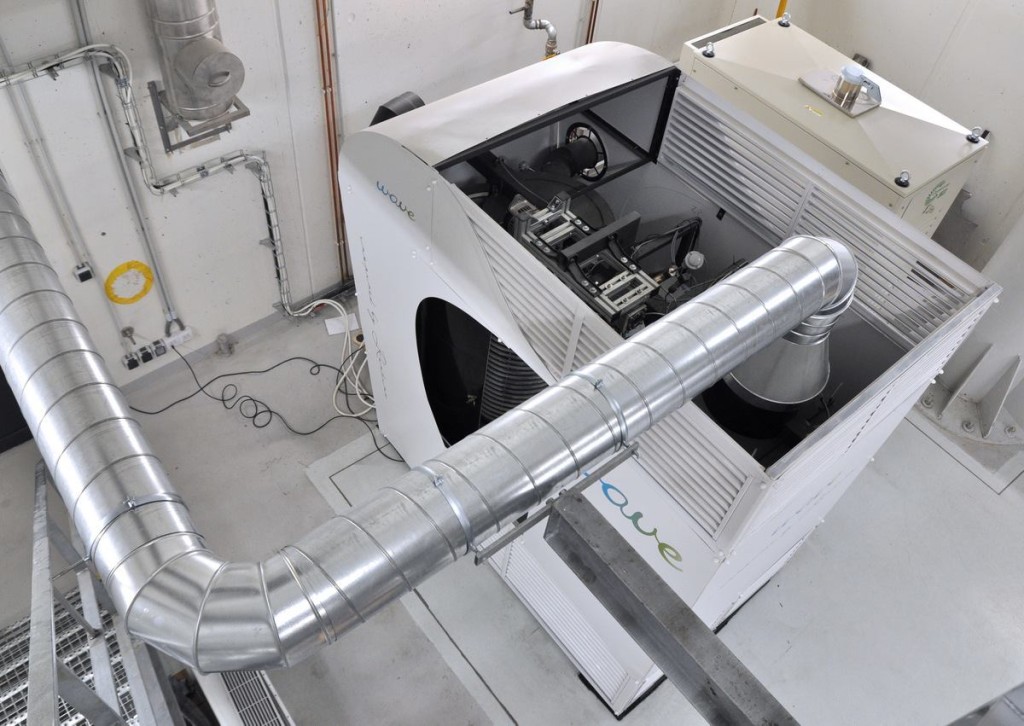
Unlike a gas boiler and a heat pump, micro-CHP combines the production of both heat and electricity, making it a comprehensive solution that is also valuable during a prolonged power outage. This commonly occurs during adverse weather, such as heavy snowfall, prolonged rain or windstorms that damage power lines.
Micro-CHP is not dependent on climatic conditions, ensuring reliable operation throughout the year. In practice, its combination with solar panels is proving increasingly effective, as the panels can generate electricity in summer, when heat consumption is low. This energy mix ensures cost-effective household operation and promises a rapid return on investment. Another advantage is the aforementioned option of switching micro-CHP from fossil fuels to renewable energy sources such as biomethane.
Practical examples
An inspiring example of micro-CHP use is a primary school in Kamenice nad Lipou, which decided to replace its outdated boilers with a modern micro-CHP unit. The equipment not only supplies heat to the entire school, but also generates electricity that the school uses for its own needs, reducing its dependence on external energy sources. Thanks to this technology, the school is significantly cutting operating costs while also reducing carbon dioxide emissions.
Another example of good practice is my colleague Jiří Šimek, who uses a natural gas-fired micro-CHP unit in his family home and is already planning to switch to biomethane. The unit supplies not only heat for space and water heating, but also covers all of the household's electricity consumption.
Mr Šimek also shares electricity with his parents' house and other family properties. He can sell any surplus electricity to the distribution grid, generating additional savings. An alternative to selling surplus electricity to the distribution grid is participation in community energy schemes. Thanks to micro-CHP, Mr Šimek has managed to reduce his energy costs by almost a third, while also significantly reducing his household's environmental footprint.
These examples show that investment in micro-CHP is not only environmentally beneficial but also economically advantageous, and can inspire other individuals, schools and institutions seeking ways to save energy and contribute to environmental protection.
Micro-CHP is a technology that combines efficiency, environmental responsibility and a modern approach to energy. It is a solution that makes it possible not only to save energy and money, but also to contribute significantly to emissions reductions and environmental protection. Thanks to its flexibility and ability to combine renewable sources such as biomethane and photovoltaics, micro-CHP is ready to play an important role in the decarbonisation of Czech households and businesses.