25 September 2026, 09:51
Loading...
Ministry: Amendment will prioritise waste-based fuels and green hydrogen

Zuzana Vrbová
11 December 2025, 13:08
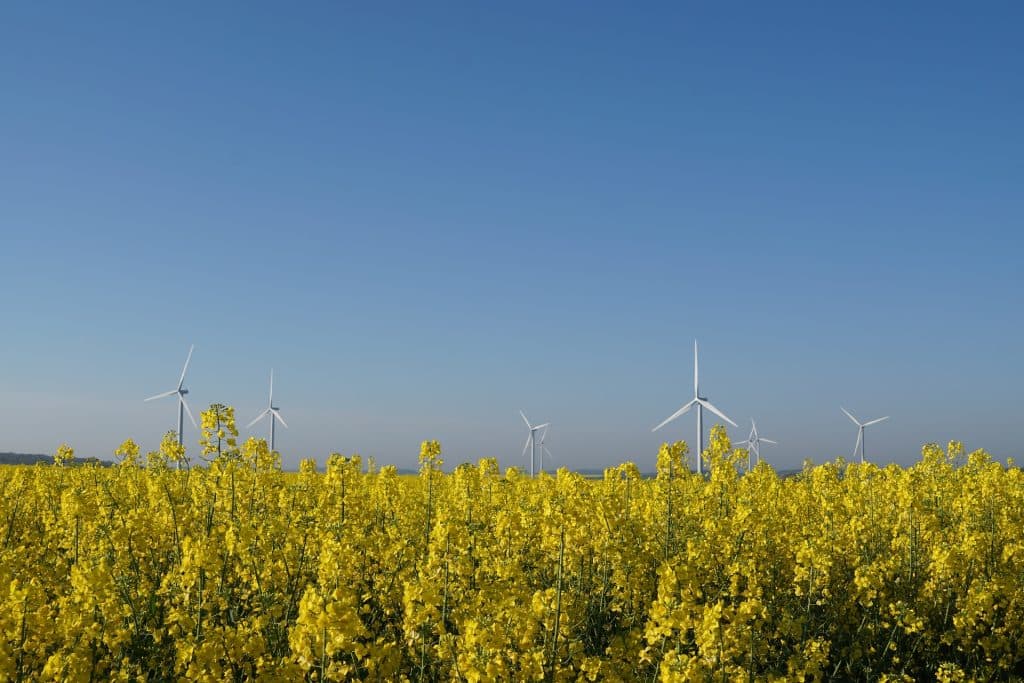
The Ministry of the Environment has submitted a proposed amendment that will prioritise advanced biofuels made from waste and renewable fuels produced using green electricity. The amendment will also gradually phase out support for biofuels made from food crops.
As reported by CEEnergyNews, the new regulation sets out rules supporting fuels made, for example, from straw, wood residues, algae or waste from the food industry. The key characteristic of these energy feedstocks is that they can no longer be used to produce food or feed, and are therefore waste with no further use. This distinguishes them from typical energy feedstocks, which are deliberately grown for use in transport fuel production.
The amendment will also support so-called renewable fuels of non-biological origin. These fuels use renewable electricity from solar, wind or hydropower sources instead of plant or animal material, and produce green hydrogen, synthetic methanol, synthetic methane and other synthetic fuels.
The Ministry of the Environment itself also reported on its website that the amendment to the regulation had been submitted. The government has already approved the new legislation. Among other things, the regulation defines areas from which agricultural and forest biomass may not be sourced if it is to meet sustainability requirements, sets a new reference value for fossil fuels, and aligns the methodology for calculating greenhouse-gas savings from transport fuels with the EU Renewable Energy Directive. The amendment will enter into force on 1 January 2026.
"Our aim is not to support fuels made from food-grade rapeseed, but rather modern solutions that turn what would otherwise be waste – straw, wood or unusable food residues – into energy," said Petr Hladík, the outgoing Minister of the Environment. "We likewise support fuels produced from renewable sources, such as green hydrogen, synthetic fuels and biomethane. These are fuels that can significantly reduce emissions without competing with food production," Hladík added.
Translation disclaimer
This article is a machine translation of the Czech original and has not yet been fully reviewed. In case of any doubt, please refer to the Czech version.
Sdílejte článek prostřednictvím:
You might also like
24 September 2026, 11:23

24 September 2026, 10:30
24 September 2026, 06:56