25 September 2026, 09:51
Loading...
Output from Czech coal-fired power plants rose 85% in June due to higher prices

Jan Budín
3 July 2026, 06:03
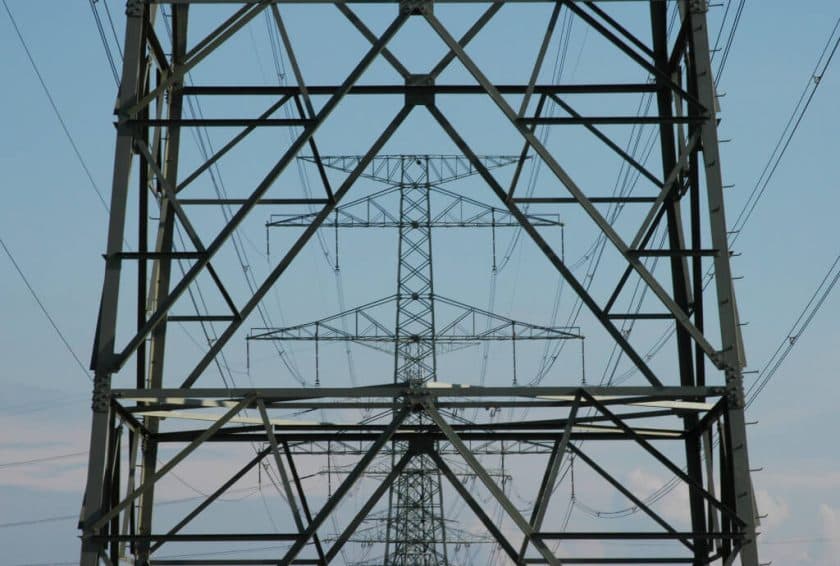
Electricity generation in the Czech Republic rose year on year by more than 1 TWh to 5.66 TWh in June. Growth was driven primarily by lignite-fired and nuclear power plants, while solar sources generated only slightly more than last year. Despite a hot end to the month, electricity consumption increased only marginally, with the main impetus for higher generation coming from the spot market and tight conditions in the region. According to data published on Energostat, electricity generation in the Czech Republic reached 5.66 TWh in June. Compared with June 2025, when it stood at 4.51 TWh, this represents an increase of 1.15 TWh, or more than a quarter. This substantial year-on-year growth was not driven by renewable sources, but primarily by higher utilisation of conventional power plants.
Regional market affected by low wind and nuclear constraints
The main cause of high spot prices was therefore not consumption, but regional conditions. Germany repeatedly experienced weaker wind power generation during June. When solar power output dropped rapidly in the evening, demand had to be met by more expensive dispatchable sources. The strongest price signal came during Wednesday evening hours last week. According to EPEX Spot data, electricity traded on the intraday market in Germany for as much as 868 EUR/MWh on Wednesday evening; in France, prices exceeded 414 EUR/MWh, while evening contracts in the United Kingdom reached around GBP 426 per MWh. Spot market prices also hit records in the Czech Republic, approaching 700 EUR/MWh.Data in this chart is also available in 15-minute resolution60min15min
A signal for the Czech Republic ahead of the planned coal phase-out
For the Czech Republic, June's developments are important above all in the context of the planned phase-out of coal-fired capacity. Lignite-fired power plants in particular responded significantly to market conditions in June and helped increase generation at a time of tighter regional markets. As they are gradually phased out, a combination of new gas capacity, storage, demand-side management and cross-border trade will have to take over a similar role. At the same time, the importance of battery storage is growing. The difference between low midday prices during high photovoltaic generation and evening peaks creates scope for arbitrage as well as ancillary services. If installed solar capacity continues to grow, then without faster development of flexibility, both the number of hours with very low prices and episodes of extremely expensive electricity after sunset will increase.Translation disclaimer
This article is a machine translation of the Czech original and has not yet been fully reviewed. In case of any doubt, please refer to the Czech version.
Sdílejte článek prostřednictvím:
You might also like

24 September 2026, 11:23

24 September 2026, 10:30
24 September 2026, 06:56