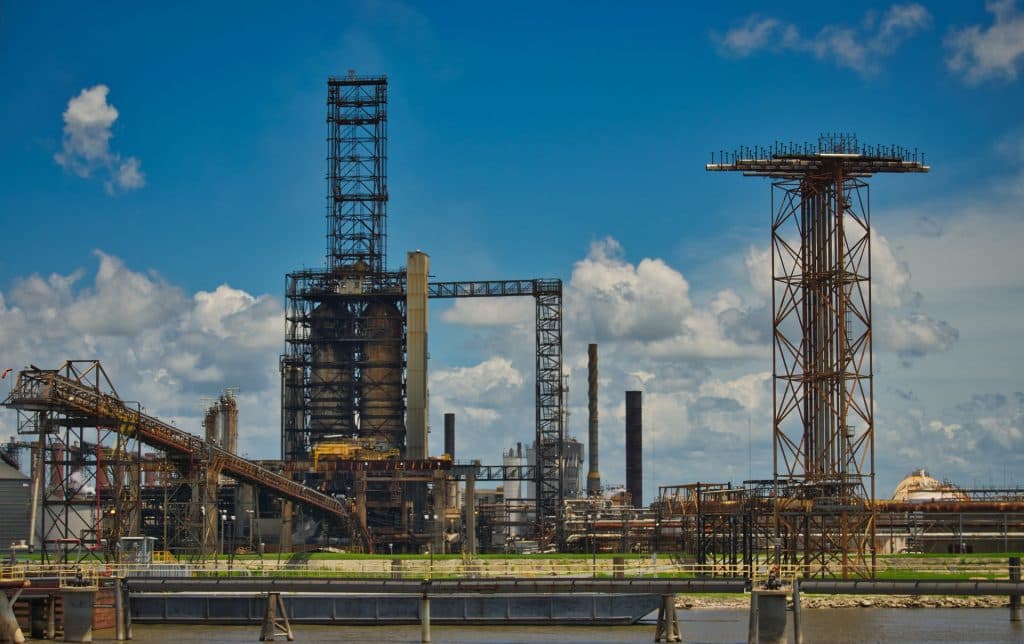
Waste-to-energy plant near Mělník receives building permit. Proceedings avoid public opposition

ČEZ has obtained a construction permit for a waste-to-energy (WtE) facility in the Mělník area. The facility will have a thermal input of approximately 110 MWt and will process around 320 thousand tonnes of waste annually. According to company spokesperson Martin Schreier, the waste incinerator is due to enter operation at the turn of 2027 and 2028. The construction permit, which is publicly available on the notice board of the Transport and Energy Construction Authority, has not yet become final.
Another waste incineration facility is set to be built in the Czech Republic. The ČEZ incinerator, which will supply the capital city with heat and hot water, will be built in the Mělník area. It is currently expected to enter trial operation in approximately two years.
"We expect the facility to enter trial operation at the turn of 2027/28. Following a year of trial operation, the WtE facility will move into permanent operation," said Martin Schreier, ČEZ spokesperson.
The original coal-fired source at the Mělník site will be replaced by gas and the new waste incinerator. Both projects received record subsidies from the Modernisation Fund. The first phase of the conversion to gas received a subsidy of more than CZK 7 billion, while construction of the incinerator received more than CZK 6 billion. The total value of the contract for construction of the WtE facility is around CZK 13 billion, and it will be delivered by a consortium of Metrostav DIZ and Subterra.

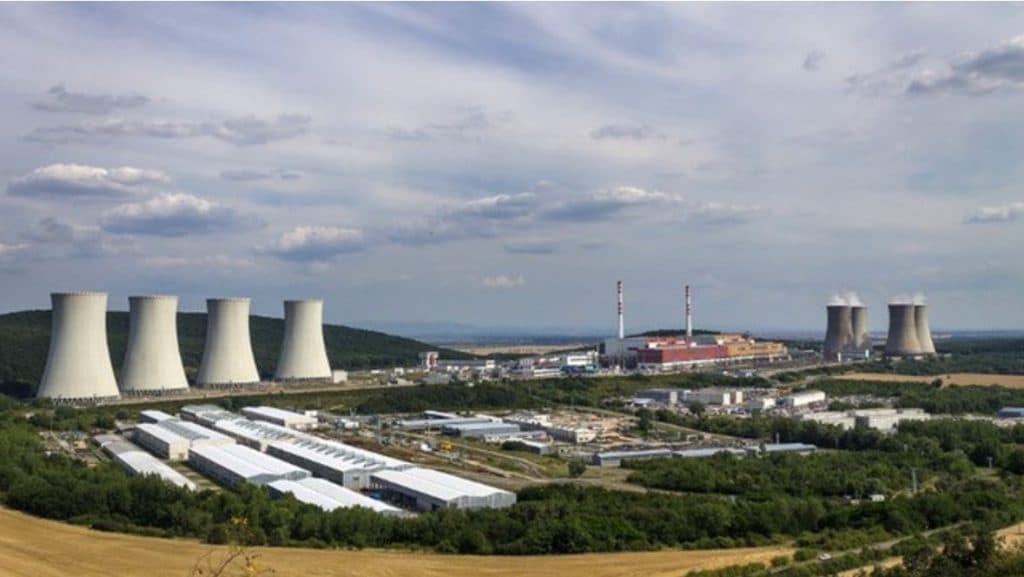
The new source of heat and electricity will be built in the north-western part of the Mělník Power Plant complex, in the municipality of Horní Počaply. Up to 80 percent of the waste can be transported to the incinerator by rail. The facility will energetically recover non-recyclable waste and supply households in the Central Bohemian Region and Prague with heat and electricity. Expected energy production is 1400 TJ of heat and 160 GWh of electricity per year.
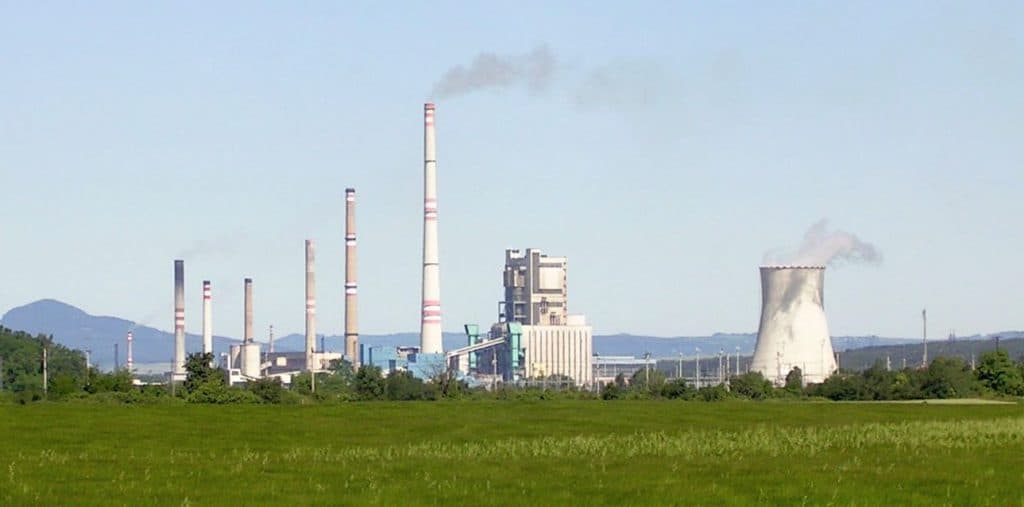
The Mělník area is home to one of the country’s energy hubs. A new combined-cycle gas power plant is also due to begin operating there in 2029, with up to three combined-cycle gas units with a total capacity of nearly 1200 MWe potentially being built over time. The technologies will also be ready to burn hydrogen. Electricity storage systems are also planned, among other additions. Total investment at the site could exceed CZK 50 billion in the future.
More than seven years of permitting nearing an end
The permitting process, which has been under way since at least 2018, when an application for an EIA opinion was submitted, is nearing its end. One final step remains: the construction permit has not yet become final, and parties to the proceedings may appeal it within 15 days of its notification.
Compared with other similar projects, the construction permit for the future Mělník incinerator was obtained without significant opposition from the public or parties to the proceedings. No objections or comments were submitted during the proceedings. This likely also helped ensure that the construction permit was issued relatively quickly: ČEZ initiated the proceedings at the end of March. The process itself therefore took only a little over half a year.
"Communication with neighbouring municipalities and the public has been ongoing and continuous over the long term, allowing us to explain the project’s key parameters and benefits to the greatest possible extent. Comments from the public and neighbouring municipalities were also addressed as part of the EIA process," Martin Schreier, ČEZ spokesperson, told oEnergetice.cz in response to a query.
The fact that parties to the proceedings submitted neither comments nor objections may indicate that the decision will become final relatively soon. The appellate construction authority does not take into account objections that an appellant could have raised earlier, for example through comments or objections during the construction permitting process. The areas that parties to the proceedings can challenge are therefore considerably limited.
A final construction permit is a prerequisite for starting construction. If any appeal were successful, it could also delay the commissioning of the waste incinerator into trial operation and subsequently into permanent operation.
Translation disclaimer
This article is a machine translation of the Czech original and has not yet been fully reviewed. In case of any doubt, please refer to the Czech version.