Dutch regulator: Algorithmic electricity trading may lead to market manipulation

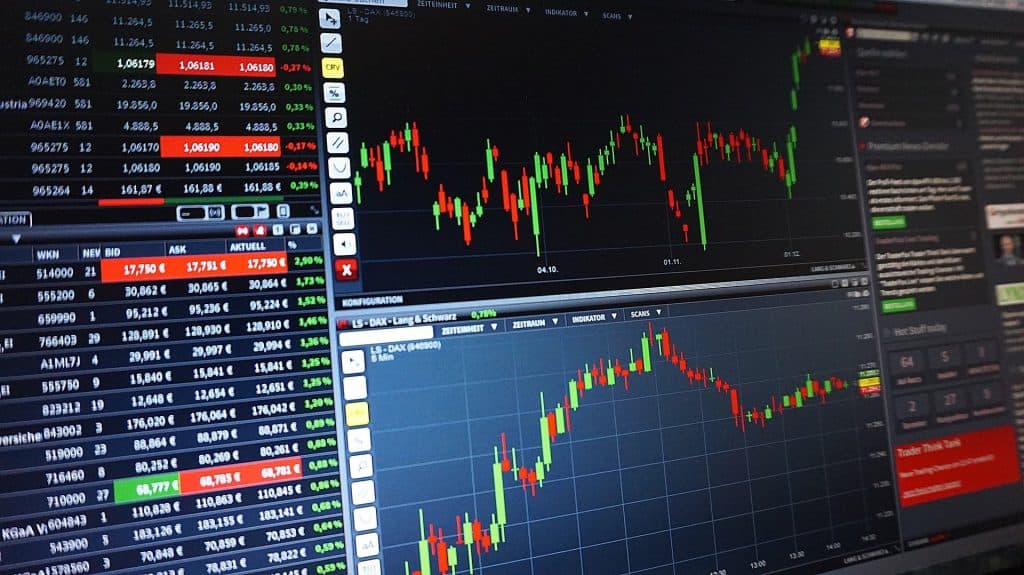
The growing use of self-learning algorithmic trading on wholesale energy markets may lead to market manipulation and price-fixing, according to a new report by the Dutch competition authority.
The Netherlands Authority for Consumers and Markets (ACM), in cooperation with the Dutch Authority for the Financial Markets (AFM), conducted a market study on algorithmic trading on spot electricity and gas markets.
Algorithmic trading is a process in which a computer algorithm determines trading parameters such as price and volume, and whether to place an order, with limited or no human intervention. In many cases, traders simply monitor the algorithm’s performance without intervening in the trading themselves.
The use of algorithms in energy trading on wholesale electricity and natural gas markets has increased significantly. While algorithmic trading is widespread on the electricity spot market, it is less common on the gas spot market, although it is also growing.
One of the drivers of this growth is the decarbonisation of the energy sector. Renewable energy generation is less predictable for traders, and algorithms help them adjust their positions over short time intervals.
The decarbonisation of the energy sector is a key driver of the growth in algorithmic trading. The need to balance positions quickly is increasing because renewable energy generation is difficult to predict.
In addition, the number of purely algorithmic traders is growing. These are market participants that do not operate their own power plants or supply electricity or gas to customers, but whose business model is based solely on algorithmic trading.
"Most algorithms remain rule-based, with traders setting the parameters themselves, but more advanced, self-learning algorithms are also slowly being deployed," said Christian Bergqvist, an associate professor at the University of Copenhagen and co-author of a separate paper on AI collusion under competition law."This carries the risk of illegal trading in the form of market manipulation and price-fixing, which gives cause for concern," Bergqvist said.
Examples of market manipulation
ACM interviewed and surveyed market participants and trading platforms. Most survey and interview responses highlighted the positive effects of algorithmic trading, but some market participants also acknowledged the potential risks of both unintended and deliberate market manipulation on wholesale energy markets.
According to ACM, one example of potentially manipulative behaviour involving algorithms is when two algorithms engage in so-called bot battles. This involves two algorithms competing for the best (highest) buy order through a series of order amendments, with the “battle” continuing until the algorithm acting for the “suspicious” party reaches its price limit. At that point, the party sells at the other party’s highest buy-order price and quickly removes its own buy order.
"One concern could be manipulation of the buy price, as it is pushed up to its maximum limit through layering/spoofing behaviour, which involves quickly removing an order on one side of the book after a transaction on the other side,"the report states.
Another example of potentially manipulative behaviour involving algorithms is when orders are amended so rapidly that the order book is no longer transparent to other market participants.
Such undesirable behaviour, if unintended, could be prevented through effective controls and compliance measures, the report says.
Review of the market transparency regulation
On 7 May, a revision of the Regulation on Wholesale Energy Market Integrity and Transparency (REMIT) entered into force, introducing new obligations for market participants using algorithmic trading as well as new obligations for national regulatory authorities.
The report says the revision strengthens regulatory powers in relation to algorithmic trading on Dutch energy markets, including the monitoring of market participants’ compliance and internal processes.
ACM explained that all market participants who responded to the survey or were interviewed said they had compliance and risk measures in place for their algorithm(s), although the measures varied in scope.
The regulator did not assess in this study whether these procedures are being put into practice. However, it said it continues to monitor and regulate algorithmic trading and market participants’ compliance with their obligations under the revised REMIT regulation.
Translation disclaimer
This article is a machine translation of the Czech original and has not yet been fully reviewed. In case of any doubt, please refer to the Czech version.