7 October 2026, 19:33
Loading...
European power grids face growing risk of cyberattacks, experts warn

David Vobořil
8 June 2026, 10:26
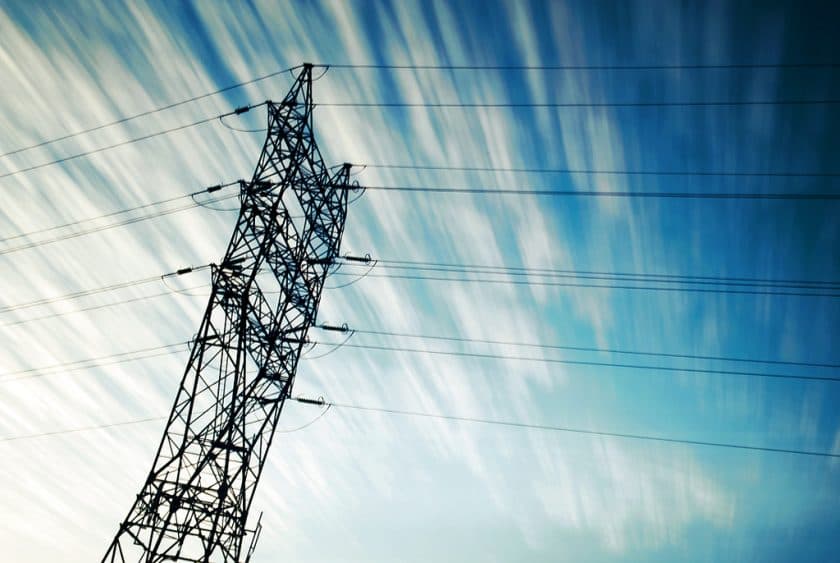
The digitalisation of the energy sector, the mass deployment of smart meters and the rapid expansion of renewable energy sources are creating new challenges for the security of Europe’s electricity grids. Experts say vulnerabilities already exist that could threaten the stability of the power system in the event of a coordinated cyberattack. European countries must therefore significantly strengthen the protection of critical infrastructure and prepare for scenarios that were considered unlikely just a few years ago.
The risks associated with the cybersecurity of Europe’s energy sector were highlighted at the Eurelectric Power Summit 2026 in Helsinki by Plexigrid CEO Alberto Mendez Rebollo. He said the threat of large-scale cyberattacks on energy infrastructure cannot be considered purely theoretical.
“A large part of our infrastructure has already been compromised. … The button just hasn’t been pressed yet,” Rebollo said during the conference.
He said experience in Ukraine shows that cyberattacks can be part of wider geopolitical conflicts. Several attacks on Ukraine’s energy infrastructure took place before Russia’s invasion, causing power outages.
“I don’t think this is a theoretical risk. It is already materialising,” Rebollo added.
The energy sector is becoming a prime target for cyberattacks
The European Union Agency for Cybersecurity (ENISA) has long ranked the energy sector among the most threatened critical infrastructure sectors. In 2023 alone, more than 200 cyber incidents targeting the energy sector were recorded worldwide, with more than half directed at European entities.
Energy systems are also becoming increasingly complex. Alongside conventional power plants and transmission grids, they now include extensive networks of renewable energy sources, battery storage facilities, smart meters, electric vehicle charging stations and demand management systems. Every new digital component represents a potential entry point for attackers.
According to a joint assessment by the European Commission and ENISA, the biggest risks include supply chain security, a shortage of cybersecurity specialists and the growing activity of state-sponsored hacking groups.
Smart meters and inverters as potential weak points
One of the most frequently discussed risks is posed by smart meters, which are becoming a fundamental component of modern distribution grids. They enable network operators to obtain detailed information about consumption and manage grid operations in real time.
If they were compromised, however, operators could be working with inaccurate data and making poor decisions.
“If someone attacks smart meters, people will make decisions based on incorrect information. That could lead to actions that put the operation of the entire system at risk,” Rebollo warned.
Power inverters used in solar power plants, battery storage facilities and other decentralised energy sources are another potential problem. If attackers managed to take control of a large number of devices, a significant amount of generating capacity could suddenly be disconnected from the grid.
Hybrid threats are becoming the new reality
In recent years, Europe has faced a series of incidents that have exposed the vulnerability of energy systems to both physical and digital attacks. In 2025, for example, German police recorded 321 cases of sabotage targeting critical infrastructure, including energy facilities. Investigators linked some of them to Russian influence operations.
A major power outage in Berlin in January, caused by deliberate damage to energy infrastructure, also prompted a strong response. The incident, which caused Germany’s biggest power outage since the Second World War, reopened the debate about the resilience of European grids to coordinated attacks.
In recent years, the European Union has therefore tightened rules to protect critical infrastructure through the NIS2 and CER directives, requiring energy network operators to meet higher standards of cyber resilience.
According to Rebollo, it is essential to build multi-layered protection and prepare for crisis scenarios before an attack occurs.
“This is where we should draw on Europe’s best experts,” he said.
Translation disclaimer
This article is a machine translation of the Czech original and has not yet been fully reviewed. In case of any doubt, please refer to the Czech version.
Sdílejte článek prostřednictvím:
You might also like
7 October 2026, 16:15
7 October 2026, 11:20