5 October 2026, 16:20
Loading...
Germany adjusts rules for using household and EV batteries to stabilize the grid

David Vobořil
5 October 2026, 16:20
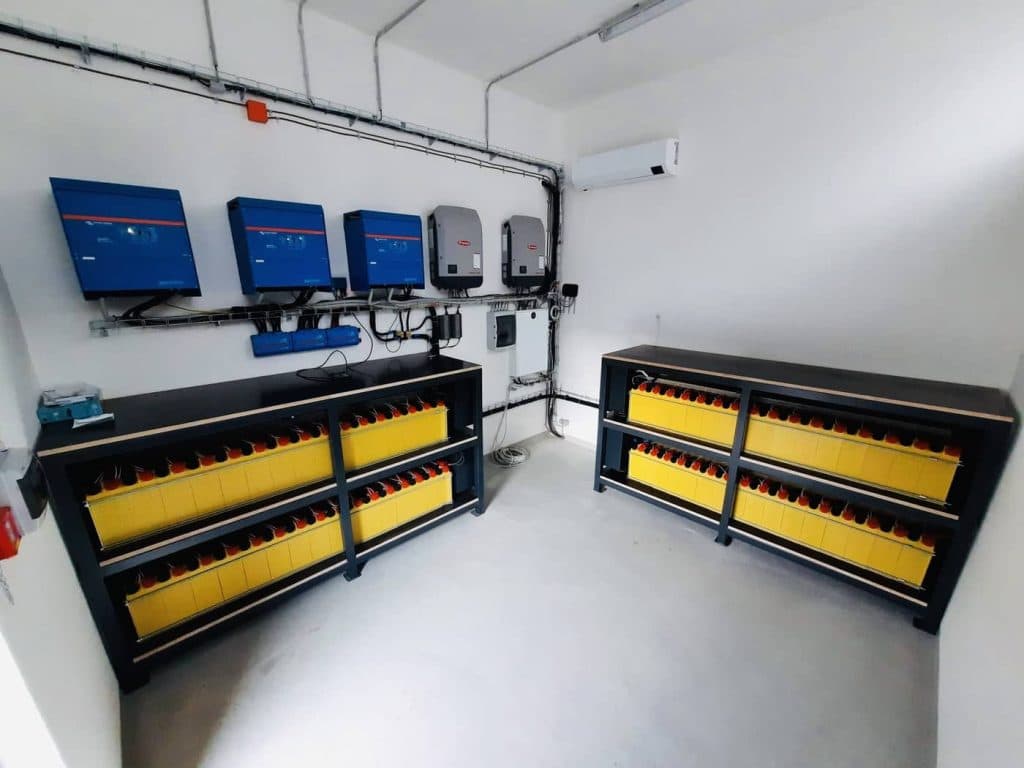
German network regulator Bundesnetzagentur has approved new rules for integrating battery storage systems and bidirectional charging points into the electricity market. The rules, known as MiSpeL, are intended to allow them to be used more flexibly in response to market conditions while also addressing the previously problematic handling of electricity from different sources stored in the same device. The change also affects electric vehicles, whose batteries will be usable not only to store electricity but also to feed it back into a home or the grid. The regulator expects the new rules to help make better use of the growing number of batteries to integrate wind and solar power.
The new MiSpeL rules are not limited to the possibility of feeding electricity from a battery back into the grid. This was technically possible before. The main change is that batteries can now be used more flexibly in the market and can combine electricity from different sources without automatically losing eligibility for support.
Until now, the rules generally required electricity from renewable sources to be kept separate from electricity drawn from the grid in order to retain support. This complicated, for example, the operation of a home battery, which can store surplus electricity from a household’s own solar PV system during the day while also charging from the grid when prices are low.
It will now be possible to account for these mixed electricity flows on a pro-rata basis. Support can remain in place for renewable electricity that has been stored in a battery, while electricity originally drawn from the grid will be subject to netting rules when fed back into it. These can reduce associated grid and other charges.
Using electric vehicle batteries to support the grid
The same principle also applies to bidirectional charging points for electric vehicles. Many EVs are already technically capable of feeding electricity back into the grid, allowing them to charge, for example, when solar generation is high or prices are low, and later use the electricity at home or feed it back into the grid. Taxes and levies included in the price of electricity have so far made bidirectional charging financially unviable for car owners.
The economic significance of the change lies primarily in the ability to respond to market price signals. Battery operators can draw electricity when prices are low, which is often also when wind and solar generation is high, and defer its consumption or supply until periods of higher prices. Bundesnetzagentur (BNetzA) therefore expects batteries and charging points to become a more active part of the energy system and help better integrate variable renewable generation.
Growing numbers of small batteries
The potential is particularly significant for electric vehicles. As their numbers grow, so does the capacity of batteries that remain unused for much of the day. If this capacity can be used economically, millions of cars could function as a decentralised network of storage units. Their importance, however, will not lie solely in supplying electricity to the grid. Managing when EVs draw electricity from the grid—and thus shifting consumption to hours with low prices and high renewable generation—could be just as important.
Home battery storage systems already play a similar role. Their numbers in Germany are growing rapidly alongside the installed capacity of rooftop solar PV systems. For the power system, however, it is not only the size of battery capacity that matters, but above all how it is managed. If a battery charges automatically only in response to generation from the owner’s solar PV system, its potential for the system as a whole remains limited. Smart management based on electricity prices or grid needs can significantly expand its usefulness.
MiSpeL is also not limited to installations receiving support. In its final rules, BNetzA has also included unsupported renewable energy sources and even storage systems without their own electricity generation. For users of home batteries, therefore, what matters is not only whether they have their own solar PV system, but also how they want to operate their storage.
BNetzA has set a transition period for network and metering point operators to implement the rules, running until the end of September 2027. The simplified flat-rate option for households with solar PV systems of up to 30 kWp will also have to wait for the European Commission to approve the relevant legal basis.
Industry reaction
A consortium of leading carmakers and energy companies said last week that the new rules are still too complicated, as they involve significant technical, economic and operational obstacles that threaten their market rollout. Key points of contention included the rules on state support and the requirements for smart meters.
Translation disclaimer
This article is a machine translation of the Czech original and has not yet been fully reviewed. In case of any doubt, please refer to the Czech version.
Sdílejte článek prostřednictvím:
You might also like
5 October 2026, 15:34

5 October 2026, 13:26