29 September 2026, 14:59
Loading...
Germany wants to extend CHP support until 2035. Power plants are to become more flexible

David Vobořil
29 September 2026, 06:19
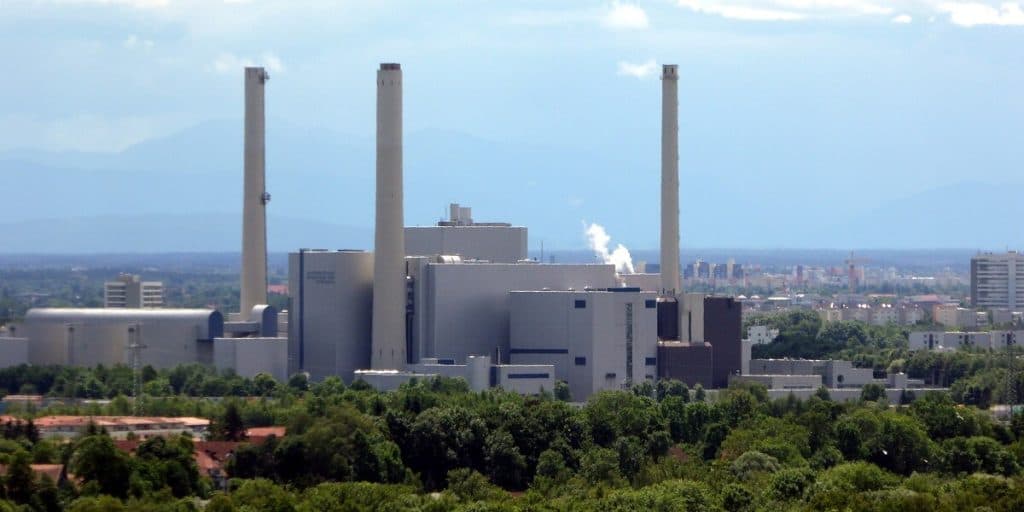
The German government wants to extend state support for combined heat and power (CHP) until 2035. At the same time, an amendment to the law would change the support scheme to encourage CHP units to respond better to wholesale electricity prices and complement growing wind and solar power generation. The government wants to preserve CHP’s importance for the security of electricity and heat supplies, while limiting its operation when renewable electricity is in surplus.
Germany’s Federal Ministry for Economic Affairs and Energy (BMWE) has published key points of a planned amendment to the law on support for combined heat and power (KWKG). The current support scheme is to be significantly extended, allowing new CHP units, heating networks and storage facilities commissioned through the end of 2035 to qualify for support. The ministry also plans to shorten the period during which support can be received, concentrating financial assistance over a shorter period.
The aim of the reform, which the government hopes will enter into force at the beginning of next year, is to provide greater investment certainty for power plant operators. Another goal is to increase the flexibility of combined heat and power generation through incentives designed to prevent electricity from being fed into the grid when prices are very low or negative.
The proposal is also expected to strengthen the direct marketing of electricity, as is the case for supported renewable energy sources. CHP plants would therefore be used more to cover so-called residual load—the demand not met by renewable generation at a given time.
“Combined heat and power remains an indispensable element in ensuring reliable electricity and heat supplies. When wind and solar are not producing enough energy, we need facilities that can step in flexibly and reliably ensure supplies of electricity and heat,” said Federal Minister for Economic Affairs and Energy Katherina Reiche.
A new role for CHP
CHP plants are thermal power plants, mostly fuelled by natural gas or coal, that produce both electricity and heat. This enables them to use fuel more efficiently than facilities that generate electricity alone. Thanks to their efficiency, the technology has been seen as a way to reduce greenhouse gas emissions and other harmful pollutants.
As the share of renewable energy sources and alternative heating technologies grows, the importance of CHP is gradually shifting from combustion efficiency alone to its ability to provide electricity and heat when renewable generation is low.
Support for smaller CHP facilities is to be brought closer to the level available to larger plants. At the same time, stricter requirements will be set for demonstrating the benefits of facility upgrades.
Industry welcomes proposal
German energy companies and municipal utilities have generally welcomed the proposal. BDEW said the changes could provide operators with an additional incentive to use CHP more flexibly as a complement to renewable energy sources.
The association of municipal utilities VKU also stressed the importance of the proposal for investment certainty, security of supply and the transformation of the heating sector. However, both organisations are calling for support to be extended until 2038, the year set for Germany’s coal phase-out.
The proposal is not yet final legislation. BMWE plans to present the draft amendment itself in the near future and aims to have it considered by the government in the autumn. The goal is for the revised KWKG to enter into force no later than the first quarter of 2027.
Translation disclaimer
This article is a machine translation of the Czech original and has not yet been fully reviewed. In case of any doubt, please refer to the Czech version.
Sdílejte článek prostřednictvím:
You might also like
29 September 2026, 11:08
29 September 2026, 06:19