Mission 300: Tanzania leads Africa's electrification

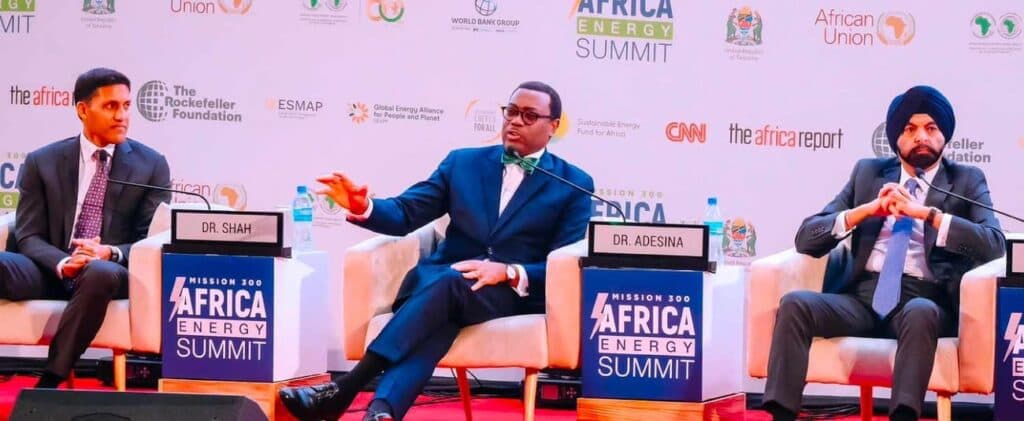
The main goal of the Mission 300 Africa Energy Summit, which began on Monday, 26 January, in Dar es Salaam, Tanzania, is to advance the electrification of 300 million people in sub-Saharan Africa by 2030. Tanzania’s emerging role as both a leading force and host of the summit should help attract the funding needed to achieve this goal.
The goal, also known as “Mission 300”, was announced by the African Development Bank and the World Bank in April last year. The initiative represents a major opportunity for Africa, enabling millions of people to escape energy poverty, improve their standard of living and support economic growth. According to World Bank data, around 600 million people in sub-Saharan Africa live without access to electricity, accounting for almost 83% of the world’s population without electricity.
Representatives of twelve countries that have pledged to reform their power utilities, promote the integration of renewable energy and raise national electricity access targets have therefore gathered in Tanzania’s most populous city. In addition to the host country, the summit is attended by Chad, Congo, Liberia, Madagascar, Malawi, Mauritania, Niger, Nigeria, Côte d’Ivoire, Senegal and Zambia.
The roles of the World Bank and the African Development Bank are also crucial to the project’s viability, as the goal requires strong financial support and the mobilisation of capital. The World Bank plans to invest 30–40 billion dollars in the project, while the African Development Bank (AfDB) will contribute 10–15 billion dollars, with the remaining funding to come from private investors and other sources.
According to World Bank President Ajay Banga, support will be provided only if participating countries make the necessary regulatory and policy changes. In the past, investors have faced obstacles such as unfavourable regulations, bureaucracy and currency risks, making investment in Africa’s energy sector more difficult.
Half of the planned new connections will be made using existing national grids, while the other half will come from renewable energy sources, particularly wind and solar mini-grids. The project will also include robust accountability measures, including country-level monitoring and evaluation systems and an Africa Energy Regulation Index to track progress.
Mission 300 Africa Energy Summit
“It is about accountability, transparency and delivering on targets, while enabling Africa to develop with pride,”said Akinwumi Adesina, president of the African Development Bank.
The summit is expected to deliver two key outcomes: an energy declaration setting out African governments’ commitments and specific steps to reform the energy sector, and the first set of national energy compacts.
These outcomes will serve as detailed plans containing clear targets and timelines for implementing major reforms in each country. This approach is intended to lay the foundations for a sustainable and effective energy transition across the continent.
Key priorities include expanding energy infrastructure at competitive costs, making use of regional energy integration and supporting electricity generation from renewable energy sources. They also focus on greater private-sector involvement to unlock new sources of financing, and on strengthening public services, which are essential for stability and effective management of the energy sector.
Translation disclaimer
This article is a machine translation of the Czech original and has not yet been fully reviewed. In case of any doubt, please refer to the Czech version.




