Spain's REE blames power plant operators for late-April blackout

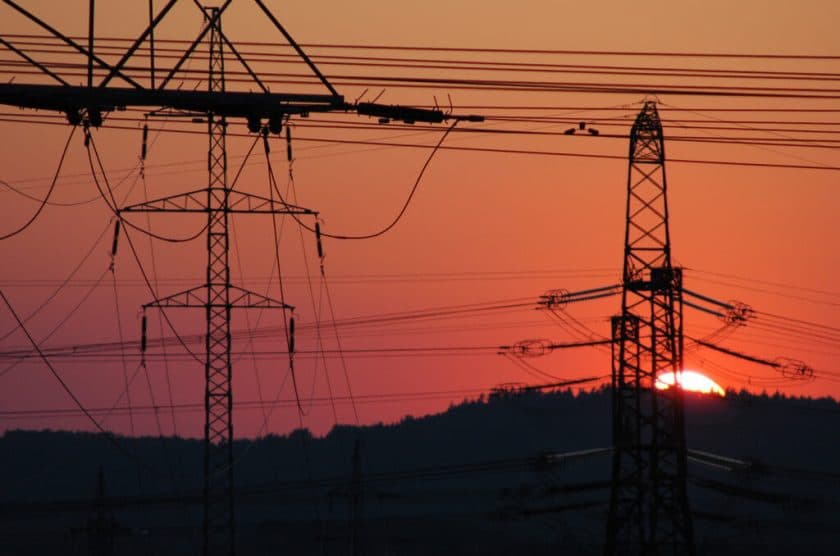
Energy company Red Eléctrica de España (REE), whose majority shareholder is the Spanish state, today rejected government criticism over the nationwide power outage in late April. According to a report published by Spain's Ministry for the Ecological Transition on Tuesday, REE had no plan to adequately manage overvoltage. The energy company rejected the criticism today, saying power plant operators—companies Iberdrola, Endesa and Naturgy—were to blame, newspaper El Mundo reported.
REE, which manages Spain's high-voltage grid, today presented its own report, challenging some of the findings in the government report. However, both agree that the outage was caused by overvoltage. REE rejects responsibility, however, and says the outage would not have occurred if conventional power plants (gas, coal and nuclear) had been operating properly. It also said the system gave no warning of an impending collapse until half an hour before the outage.
The Ministry for the Ecological Transition's report on Tuesday also said that some power plants that were supposed to help the grid manage overvoltage on 28 April failed to do so, despite being paid for the service. According to the government report, some power plants disconnected from the grid when they should not have. Neither the ministry nor REE named in their reports the power plants that failed to meet the planned voltage-absorption requirements, newspaper El Mundo reported today.
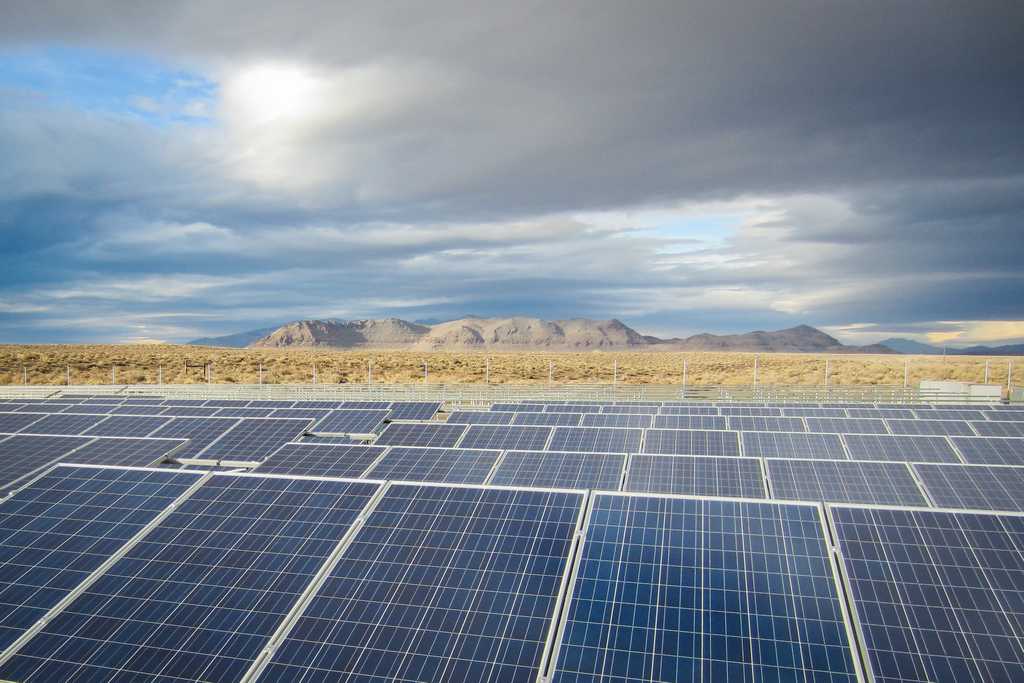
REE's chief operating officer, Concha Sánchez, also told reporters today that the first problems contributing to the late-April power outage occurred at a photovoltaic power plant in the province of Badajoz. She did not say which plant specifically, referring to it only as "power plant A"; according to Sánchez, its internal control procedures were not working properly.
The blackout affected the entire Iberian Peninsula—that is, Spain and Portugal—on 28 April shortly after midday. Among other things, trains and the metro in Madrid and Barcelona came to a halt, traffic lights stopped working, and the lights went out in homes, shops, schools and factories. Around 50 percent of supply had been restored before midnight, but 99 percent of the Iberian Peninsula had electricity only by the following morning, when problems with rail transport continued for many hours.
Many experts said as early as the beginning of May that the high share of renewables in Spain's energy generation had contributed to the outage. A year ago, REE proposed updating safety criteria for protecting electricity infrastructure to account for the growing share of renewable energy, warning that systems could be difficult to protect in areas with a high concentration of renewable generation.
Spain is one of the world leaders in renewable energy. Renewable energy generation also predominated on the day of the blackout, and just before the outage at 12:32, renewables accounted for around 70 percent of current demand, newspaper El País reported.
Translation disclaimer
This article is a machine translation of the Czech original and has not yet been fully reviewed. In case of any doubt, please refer to the Czech version.




