Ecobat warns: Used battery collection in Czechia must accelerate significantly

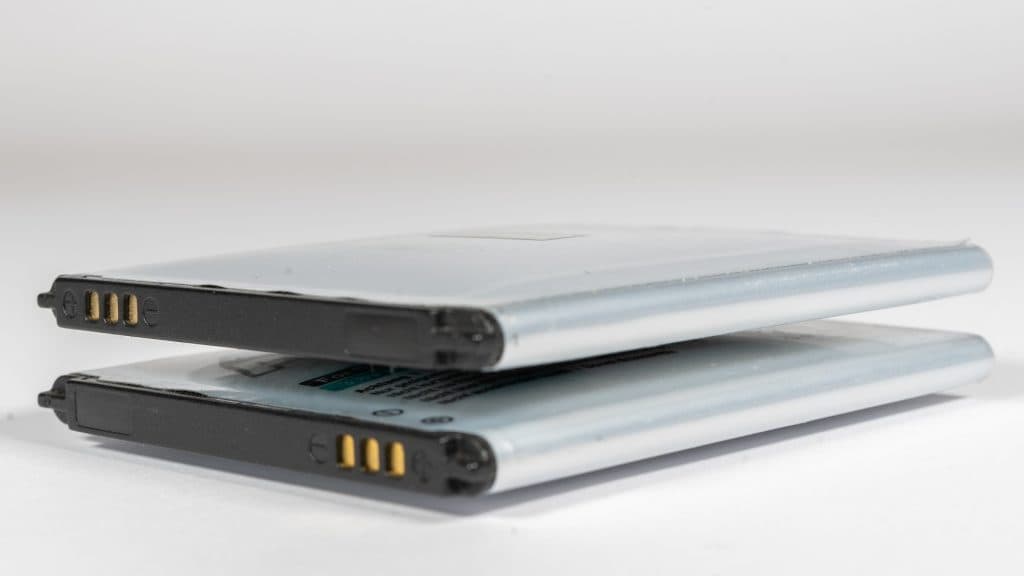
Czechia must significantly accelerate the collection of used batteries. Although battery take-back is improving in the country, the volume of batteries placed on the market is growing faster. Ecobat, the largest collection organisation for waste batteries, reported this in a press release. More than 20 000 tonnes of batteries were placed on the Czech market last year, a year-on-year increase of 40 percent. In addition, new European requirements will take effect from next year, gradually raising collection targets.
Ecobat sorted a total of 4558 tonnes of portable, industrial and starter batteries, as well as batteries from e-bikes and electric vehicles, last year. This represents an increase of almost 400 tonnes compared with 2024. Of this, it reused more than 50 tonnes of batteries. The largest share of batteries sorted last year consisted of portable batteries, such as AA and AAA batteries. A total of 2287 tonnes were collected last year, which experts say corresponds to 48 percent of the volume of batteries placed on the market. This is an annual increase of 145 tonnes, or approximately 7.2 million AA batteries.
"The volume of batteries collected in Czechia has been rising for a long time. In addition to more responsible consumer behaviour, improved collection of rechargeable batteries, whose life cycle is much longer than that of single-use batteries, is also contributing," said Ecobat technical director Petr Kratochvíl.
The current collection rate for portable batteries already exceeds the European target set for 2026, which is 45 percent. In practice, however, this does not mean that 45 percent of the batteries people discard in a given year must be collected. The collection rate is calculated as the weight share of collected waste batteries relative to the average volume of new batteries placed on the market by producers over the previous three years. However, collection will have to increase significantly in the coming years. The European Batteries Regulation sets a target of 63 percent by the end of 2027 and 73 percent by the end of 2030.
According to Ecobat, the situation is more challenging for batteries from light means of transport, such as e-bikes. Only 4.5 percent of these were collected last year relative to the volume placed on the market, while the European target is 51 percent by the end of 2028 and 61 percent by the end of 2031.
Conditions for the cross-border transport of battery waste also tightened this year. According to Ecobat, Czechia does not have sufficient recycling capacity for collected batteries, which are therefore sent to recycling facilities abroad.
The new regime introduced this year has also imposed a notification requirement for battery exports, for which the system is not prepared, according to Ecobat. Experts say processing a notification can take more than a month, and such a delay is difficult to manage for a system that must ensure a continuous flow of batteries from collection points to recycling. If exports slow down, batteries will begin to accumulate in warehouses. However, for safety reasons, warehouses can only accept a clearly defined volume of batteries. "At the current pace of collection, delaying exports by weeks and months could very quickly cause the collapse of the entire system," Kratochvíl added.
Ecobat therefore believes that the European Commission should postpone the effective date of the new requirements to give Czechia sufficient time to adapt the existing system.
Ecobat is a Czech non-profit company providing services related to the collection, sorting and recycling of all types of waste batteries. Waste batteries can be handed in at more than 28.000 collection points across the Czech Republic.
Translation disclaimer
This article is a machine translation of the Czech original and has not yet been fully reviewed. In case of any doubt, please refer to the Czech version.