Energy efficiency brings businesses more than just lower energy bills
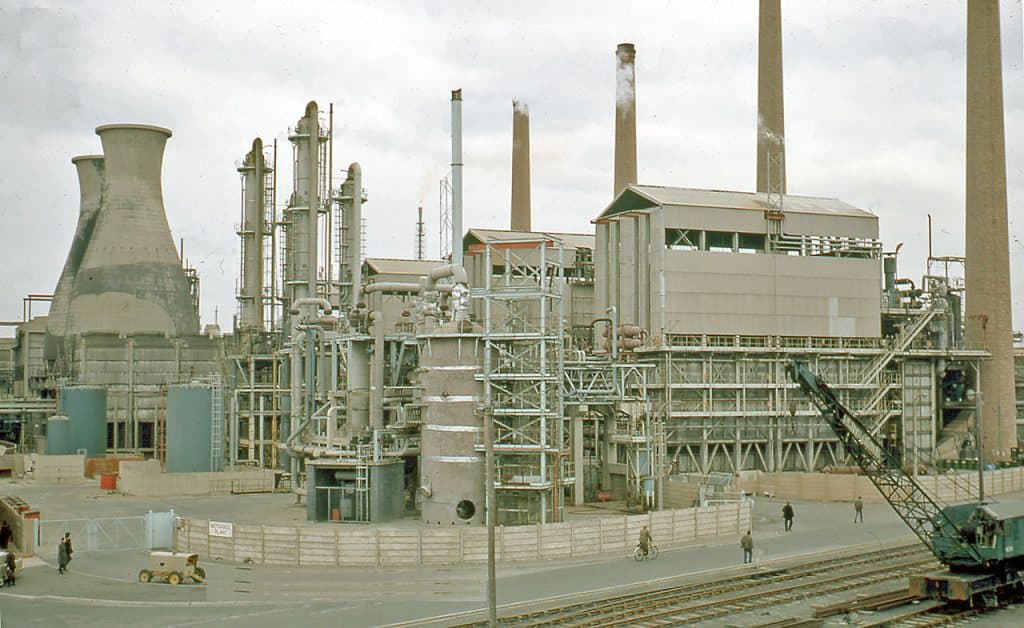
Energy efficiency is often called the “first fuel” — after all, the cheapest energy is energy that does not need to be produced or consumed. A new analysis by the International Energy Agency (IEA), however, shows that the real value of efficiency measures goes far beyond reducing energy costs. Every dollar saved can bring companies another dollar or more through higher productivity, lower operating costs or better-quality production.
The study shows that more modern, energy-efficient technologies operate more reliably, with less wear and greater precision. An analysis of more than a thousand efficiency measures at small and medium-sized businesses in the US found that every dollar saved on energy generated an average of 13 cents in additional savings through higher productivity, rising to 30 cents for some types of measures. One example is a textile mill in Scotland, where a new knitting machine replaced fourteen conventional looms, reduced energy costs by approximately 90% and increased production capacity while requiring less space.
Lower maintenance costs are another significant benefit. More efficient and electrified technologies have fewer moving parts and operate under more stable conditions, reducing the likelihood of breakdowns. According to the IEA, maintenance costs can fall by 25 to 80%, depending on the technology used. For example, a highly efficient centrifugal compressor at a food processing plant reduced energy consumption by more than 40% and maintenance costs by 85%.
Less material, less waste
Energy efficiency also often leads to savings in materials and water and reduces waste. More precise production processes reduce the loss of raw materials, significantly increasing the economic benefits of an investment. In US industry, these savings average an additional 90 cents for every dollar saved on energy, while in the wood and paper industries the total benefits can reach twice the value of the energy savings alone.
Quality and employee health
Positive effects can also be seen in production quality. Around three-quarters of manufacturing companies report a decline in defective products after implementing energy efficiency measures, thanks to more precise process control and fewer shutdowns. Working conditions improve as well. Better indoor environmental quality and lower exposure to pollutants lead to a reduction of two to three days a year in employee sick leave at office buildings, which the IEA says equates to nearly eight additional productive workdays per employee.
How to factor the benefits into investment decisions
The study notes that these broader benefits are often overlooked when making investment decisions. Companies typically assess projects solely on the basis of energy savings and exclude higher productivity, lower maintenance costs, better production quality and benefits for employees from their financial calculations. The IEA therefore recommends expanding investment assessments to include all these factors. In some cases, taking them into account made the difference in approving a project that would not have passed an assessment based solely on energy savings.
According to the IEA, energy efficiency is therefore not just a way to reduce energy consumption, but a strategic investment that boosts productivity, lowers operating costs and strengthens businesses’ long-term competitiveness.
Translation disclaimer
This article is a machine translation of the Czech original and has not yet been fully reviewed. In case of any doubt, please refer to the Czech version.