25 September 2026, 09:51
Loading...
ERÚ sets hours during which Czechia must cut electricity consumption by an average of 5%

Martin Voříšek
1 December 2022, 07:20
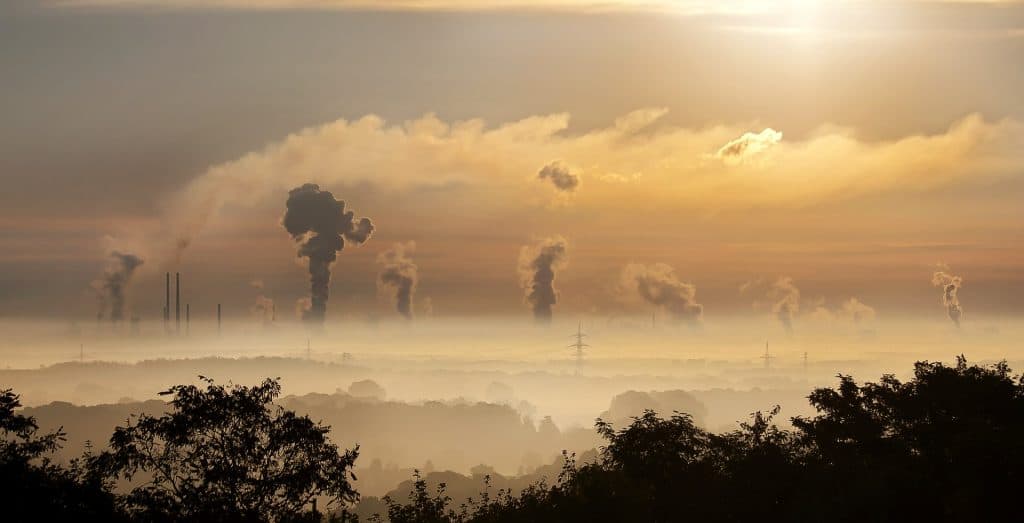
The Energy Regulatory Office (ERÚ) announced on its website the hours during which electricity consumption in Czechia must be reduced by an average of 5%, in line with the EU regulation. ERÚ has designated 9–10, 13–14 and 16–17 on working days, and 11–12 on non-working days, as peak hours.
Most obligations arising from Council Regulation (EU) 2022/1854 on an emergency intervention to address high energy prices have applied since 1 December. In addition to the widely discussed revenue caps for electricity generators, the regulation also sets binding and non-binding targets for reducing electricity consumption.
The regulation establishes two targets for electricity consumption. The first is a voluntary 10% reduction in gross electricity consumption; the second is a mandatory average 5% reduction in electricity consumption during peak demand hours. Each Member State determines the peak period independently, but it must account for at least 10% of the hours between 1 December 2022 and 31 March 2023. During those hours, Member States are then required to reduce consumption by an average of at least 5% per hour.
Translation disclaimer
This article is a machine translation of the Czech original and has not yet been fully reviewed. In case of any doubt, please refer to the Czech version.
The article continues for subscribers
Premium content
The rest of this article is available to premium subscribers only. Get access to all premium articles on oEnergetice.cz.
You have read only 38% of the article — unlock the remaining 62% with a premium subscription.
Best value: annual subscription
Monthly option 4 € / month
3.25 €/ month
You might also like
24 September 2026, 11:23

24 September 2026, 10:30
24 September 2026, 06:56