Norway's sovereign wealth fund is still avoiding battery storage, fearing a decline in returns


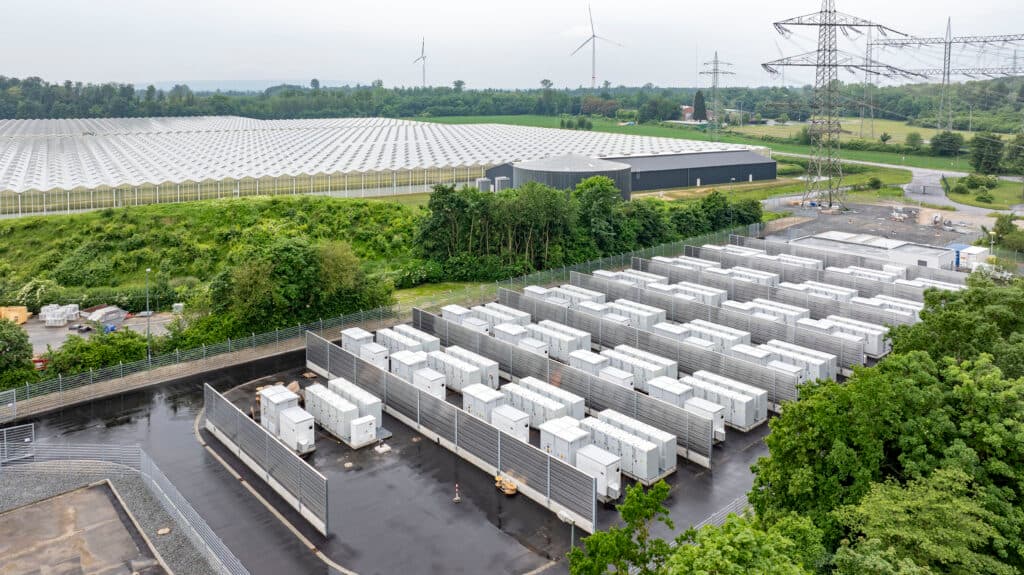
Norway's sovereign wealth fund, the largest of its kind in the world, is not yet investing in battery storage. The reasons are the insufficient scale of available projects and the risk of so-called market cannibalization, in which a growing number of batteries gradually narrows the price spreads on which their operators make money. The fund nevertheless considers energy storage a potentially suitable complement to its investments in wind and solar power.
“We see significant risk of market cannibalization from batteries,” said Borge Rygh Sivertsen, portfolio manager for new energy at Norway's sovereign wealth fund, at the Energirike conference in Haugesund, Norway.
According to him, the economics of battery storage are based primarily on the differences between high and low electricity prices. Batteries buy electricity when prices are low and then sell it when electricity is more expensive.
However, as the number of storage facilities grows, more operators compete for the same opportunities. If many batteries buy electricity during cheap hours and feed it into the grid when prices are high, the price spreads gradually narrow. This reduces the potential returns of individual projects and makes their future revenues less predictable.
According to Sivertsen, this uncertainty is a significant obstacle to investment. The fund is therefore waiting for now, even though it considers storage a technology that could complement its portfolio of wind and solar power plants.
Available projects are not large enough
Another obstacle is the size of the investments. The Norwegian fund typically considers projects worth around 500 million euros, or approximately 5 billion Norwegian kroner. According to Sivertsen, it cannot invest in smaller projects on sufficiently competitive terms.
The fund already invests in renewable energy in Europe. Through partnerships with RWE, Ørsted, Iberdrola and EnBW, it has acquired stakes in projects with a total installed capacity of 3.3 GW.
The fund's investment mandate allows it to invest in renewable energy in Europe and North America, across the energy value chain from generation to electricity distribution. Energy storage is also covered, but its economic attractiveness must meet the fund's requirements.
Investment environment clouded by uncertainty
According to Sivertsen, geopolitical uncertainty, fluctuations in natural gas prices and higher inflation are also making energy projects harder to finance. These factors increase the cost of capital and make it harder for buyers and sellers to agree on project prices.
The fund representative also noted that investors have recently been placing greater emphasis on energy security, while some have partially scaled back their financing of renewable energy. Uncertainty about future electricity supply and demand is therefore another risk that must be taken into account in investment decisions.
Renewables currently account for approximately 1% of the value of Norway's sovereign wealth fund. According to Sivertsen, this share could rise to 2% under its investment mandate.
Translation disclaimer
This article is a machine translation of the Czech original and has not yet been fully reviewed. In case of any doubt, please refer to the Czech version.