
27 September 2026, 08:37
Loading...
Ember: EU imports of Russian gas rose 18% last year, with Czech Republic contributing

oEnergetice.cz, ČTK
27 March 2025, 09:40
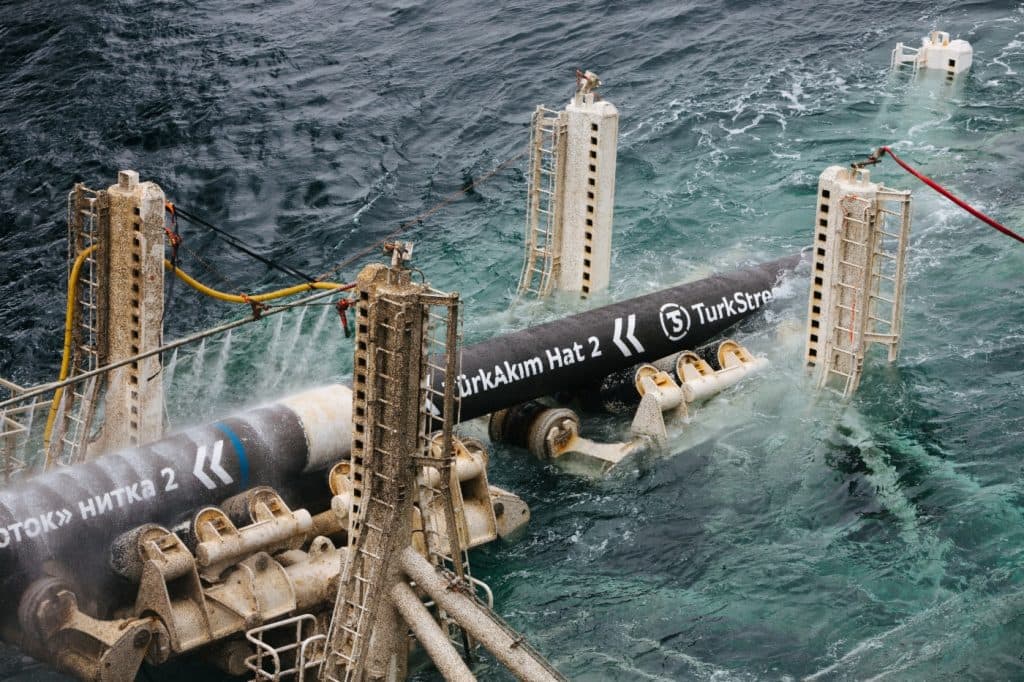
Imports of Russian gas into the European Union increased by 18% last year, despite the region’s plan to phase out fossil fuel supplies from Russia by 2027. Italy, the Czech Republic and France were the main contributors to the increase, according to an analysis by the Ember institute. Gas prices in the EU were 59% higher last year than before Russia’s military invasion of Ukraine, the report said.
Imports rose last year even though energy demand did not increase. The analysis also shows that the EU plans to increase capacity for importing liquefied natural gas (LNG) by 54%, although demand for gas imports is expected to remain stable until 2030 and alternative solutions are available. This risks building excess infrastructure.
„It is scandalous that the EU is still importing Russian gas,“ said Ember analyst Pawel Czyżak.
„Instead of investing in real solutions such as renewable energy sources and energy efficiency, thereby cutting themselves off from Russian imports, member states are wasting money on expensive LNG capacity that will not even be used,” Czyżak added.
Ember also warns that supplies from foreign sources outside Russia may not be entirely secure either. While the United States is increasing its LNG export capacity, relying on supplies from the US amid heightened geopolitical tensions is risky. The European Union has proposed plans to finance foreign LNG infrastructure and sign long-term contracts as a way to gradually wean itself off Russian gas, but this could lead to further dependence on potentially unreliable exporters, Ember warns.
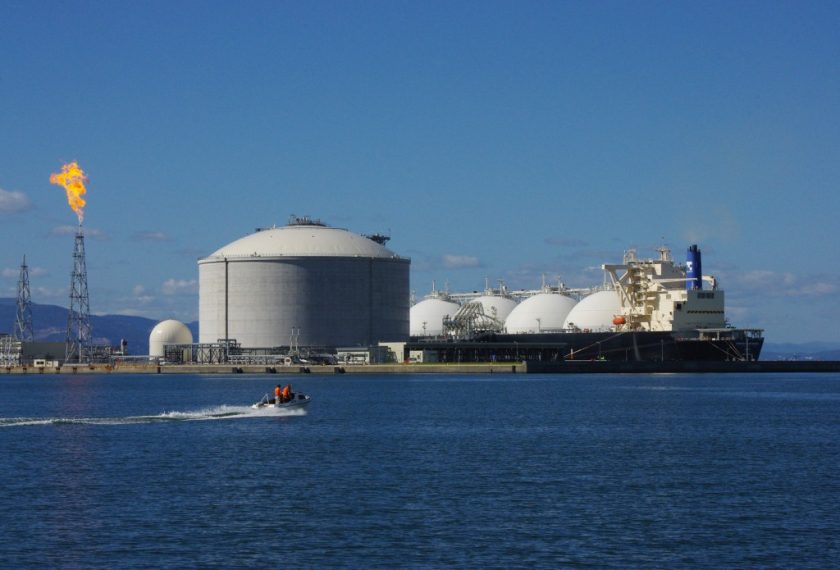
The Ember institute’s report also states that imports of Russian gas increased despite the European Commission’s intention to end dependence on Russian fossil fuels by 2027. The report notes that the EU still has neither a legally binding target nor a published phase-out plan. Member states can still import Russian gas through various loopholes even where restrictions are in place, for example by using shadow vessels or making indirect purchases.
Analysis co-author Tatiana Mindeková added that without policies restricting the flow of Russian gas to member states, the EU risks increasing its dependence on supplies from Russia again this year.
Translation disclaimer
This article is a machine translation of the Czech original and has not yet been fully reviewed. In case of any doubt, please refer to the Czech version.
Sdílejte článek prostřednictvím:
You might also like
26 September 2026, 13:54
26 September 2026, 07:42
25 September 2026, 11:17
25 September 2026, 09:51