10 October 2026, 07:37
Loading...
EU approves grid package. Energy highways will connect Europe, gaps in governance and regulation persist
Veronika Jurcová
14 December 2025, 08:15
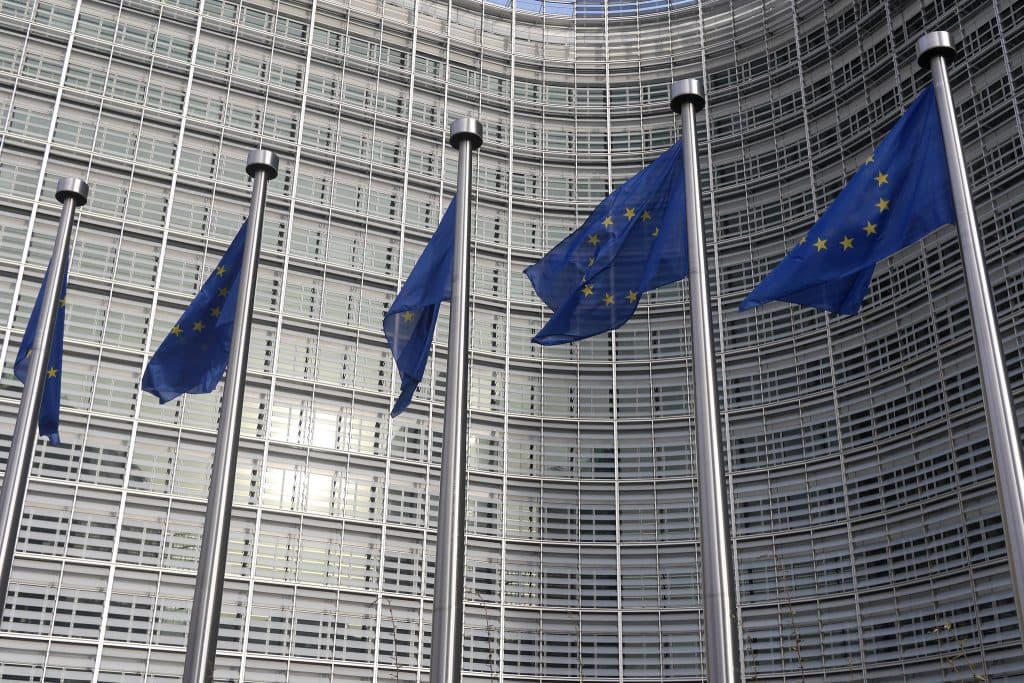
The European Commission is promising faster permitting, better interconnections and an end to grid congestion. Experts, however, warn that without changes to governance, investment and the rigorous enforcement of market rules, the plan may not deliver the expected results, reports Montel News.
On 10 December, the European Commission approved the long-awaited European Grids Package - a set of legislative and strategic measures intended to accelerate the modernisation of transmission and distribution grids, remove bottlenecks and prepare infrastructure for the rapidly growing share of renewable energy sources. The package builds on the 2023 Grid Action Plan, which warned that EU electricity consumption would rise by 60% by 2030 and that more than 40% of distribution grids are over four decades old. Modernisation is therefore considered a prerequisite for a successful energy transition.
The new framework is intended to speed up the construction of strategic projects, harmonise permitting procedures, facilitate the connection of new energy sources and improve cross-border electricity trading. The package also includes plans for major European energy “highways”, two of them for hydrogen, which are expected to fundamentally reshape the map of European infrastructure:
Pyrenean crossing 1 and 2 – new electricity interconnections across the Pyrenees intended to better integrate the Iberian Peninsula into the European grid.
Great Sea Interconnector – an interconnection linking Cyprus with mainland Europe and ending its energy isolation.
Harmony Link – strengthening the Baltic states’ connection to the European grid and reducing dependence on Russian infrastructure.
SouthH2 Corridor – a hydrogen corridor linking Tunisia, Italy, Austria and Germany.
Southwest hydrogen corridor – a transport route for green hydrogen from Portugal to Germany.
The new package marks a major shift in approach: instead of national projects, it promotes the creation of a unified European infrastructure that is modern, fully interconnected and capable of safely and freely transmitting clean, affordable, home-grown energy across the Union. The Commission is thus advocating a shared, centrally planned European energy project intended to ensure that Europe does not face dependence on external suppliers or outdated grids.
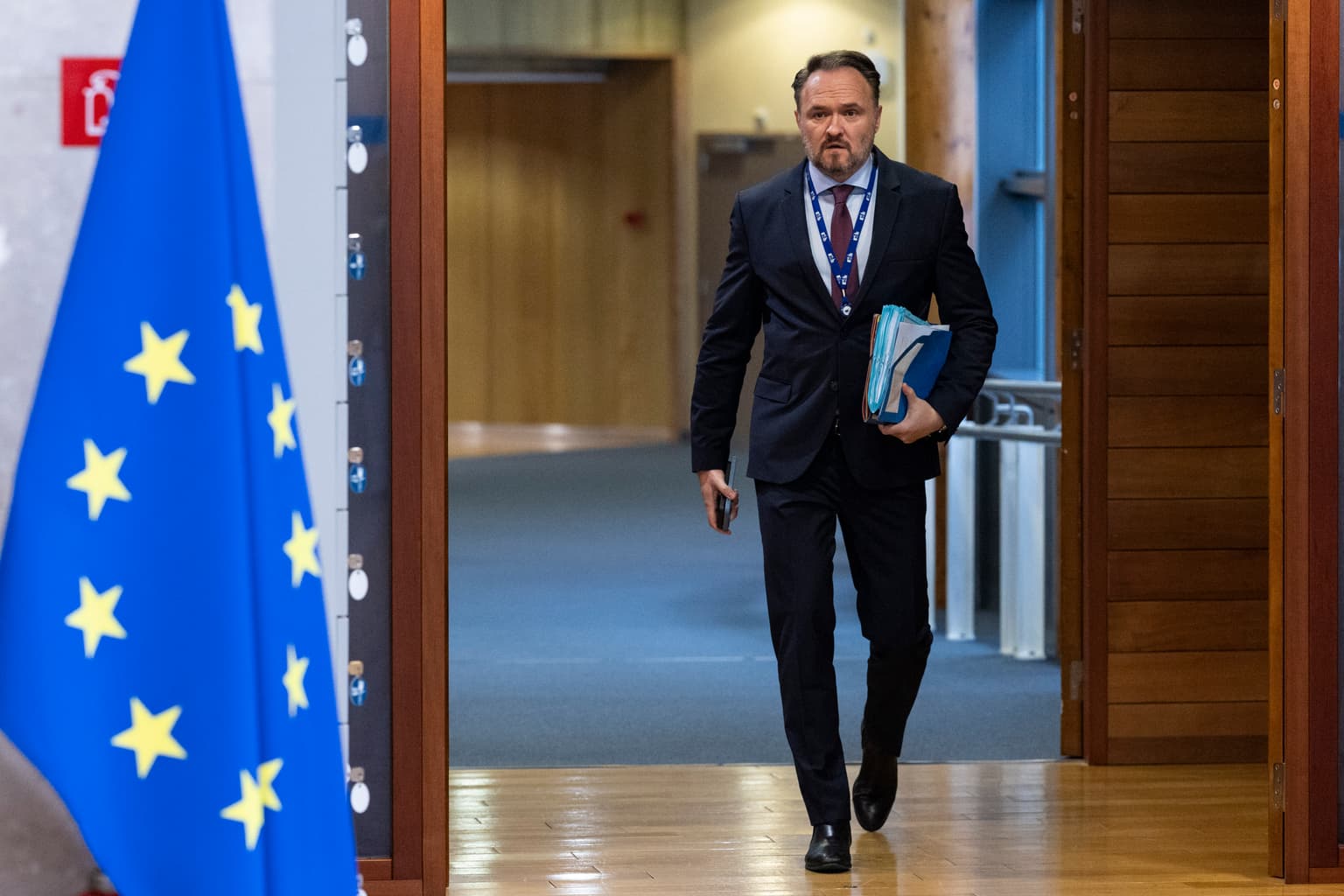
Source: European Commission: Dan Jørgensen, European Commissioner for Energy and Housing
"A truly interconnected and integrated energy system is the foundation of a strong and independent Europe. To achieve this, we need an energy infrastructure network of cables, pipelines and lines that is modern, fully interconnected and allows clean, affordable and home-grown energy to flow freely and safely to every corner of our Union. That is exactly what we are proposing today: a shared European energy project that supports affordable living costs, economic competitiveness, security and decarbonisation," said Dan Jørgensen, Commissioner for Energy and Housing.
Criticism
Although the energy sector has welcomed the package as an important step, there has also been significant criticism. A number of experts warn that the Commission is paying too little attention to distribution grids, which will have to absorb most new renewable energy sources and provide flexibility in consumption. This, they say, is where the biggest obstacles and delays arise. According to Walburga Hemetsberger of SolarPower Europe, the Commission is focusing too much on major transmission projects, while distribution system operators remain on the sidelines.
Louise Sunderland of the Regulatory Assistance Project warns that the main risk lies not in cables or transformers, but in governance. In her view, keeping costs affordable for consumers will only be possible if grid management, long-term planning and the enforcement of market rules improve.
“Building new infrastructure is not enough. We must change the way we plan and regulate grids, or we will lose public support,” Sunderland says.
Some experts believe the package should give greater consideration to the growing risks of cyber and hybrid attacks, as well as dependence on imports of key components such as transformers and cables. The EU should therefore strengthen its technological sovereignty, support domestic manufacturing and diversify suppliers to reduce strategic vulnerability and ensure that the necessary emergency stocks are available.
Transmission system operators are also sceptical. The ENTSO-E association welcomed the Commission’s new emphasis on infrastructure investment, but also warned of risks associated with the proposed governance reforms.
ENTSO-E criticises the package for introducing more complex and lengthy planning processes instead of the promised simplification, which could slow the construction of necessary infrastructure. It is particularly concerned about a single Europe-wide scenario disconnected from national plans, the transfer of key methodologies to the ACER agency, outside the expertise of system operators, and the possibility of the Commission unilaterally pushing through projects outside the decision-making process of member states.
According to ENTSO-E, there is a risk that European planning will become detached from the real needs of countries and local communities. It also criticises the requirement for operators to allocate 25 % of congestion revenues to EU projects, as these funds are already being used to reduce tariffs or develop grids under the oversight of national regulators. The association says greater cooperation, not centralisation, is needed.
Whether the grid package will live up to the Commission’s ambitions will depend on how quickly it is implemented and whether member states are willing to align their national plans. Without faster permitting, stronger regional coordination and investment in supply chains, Europe risks continuing to struggle with congested grids and curtailment of renewable energy generation.
Translation disclaimer
This article is a machine translation of the Czech original and has not yet been fully reviewed. In case of any doubt, please refer to the Czech version.
Sdílejte článek prostřednictvím:
You might also like

10 October 2026, 07:02

9 October 2026, 13:47