4 October 2026, 21:07
Loading...
EU ministers discuss windfall tax on energy companies in Cyprus

oEnergetice.cz, ČTK
13 May 2026, 15:55
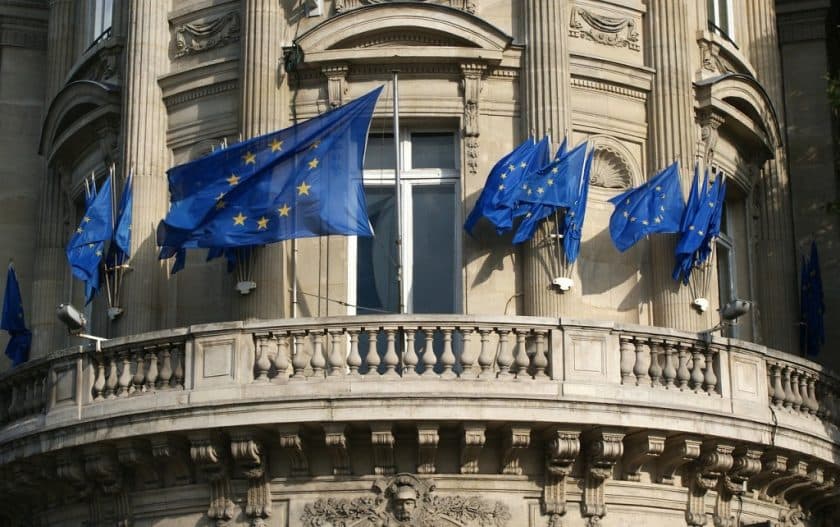
Energy ministers from European Union countries discussed the introduction of a windfall tax on energy companies, among other topics, in Cyprus today. Greek Environment and Energy Minister Stavros Papastavrou said so. Companies made excessive profits as a result of rising oil and gas prices following the outbreak of the war with Iran. The ministers’ informal meeting was held in the Cypriot capital, Nicosia. European Commissioner for Energy Dan Jørgensen attended on behalf of the European Commission (EC).
Spain’s minister responsible for energy, Sara Aagesen, said, according to Reuters, that five EU countries, including Spain, support a windfall tax on energy companies. The positions of the other countries were not immediately clear. The Czech Republic was represented at the meeting by Deputy Minister of Industry and Trade Jan Sechter.
The conflict in the Middle East escalated at the end of February with an attack by the United States and Israel on Iran. As a result, the Strait of Hormuz, a key shipping route for oil and liquefied natural gas (LNG) exports from countries around the Persian Gulf, is effectively blocked. The price of Brent crude, which had been below $70 per barrel until February, then rose well above $100. This gave oil producers unexpectedly high profits.
This would not be the first time the European Union has turned to such a tax. In 2022, it adopted an emergency measure in response to the energy crisis following Russia’s military invasion of Ukraine. The package of measures also included an extraordinary tax on sales of fossil fuels, mainly oil, gas and coal, as well as a tax on refinery profits.
In 2022, EU member states either introduced the extraordinary tax, known in English as a windfall tax, directly or created an equivalent national tax. This included the Czech Republic, which introduced extraordinary taxes on energy and petrochemical companies, as well as on banks.
At the meeting, Commissioner Jørgensen stressed the importance of reducing Europe’s dependence on imported fossil fuels and the need to increase the use of affordable, clean energy produced in the EU. “Energy security, stronger coordination among member states and reliable partnerships are essential for Europe’s future,”
Translation disclaimer
This article is a machine translation of the Czech original and has not yet been fully reviewed. In case of any doubt, please refer to the Czech version.
Sdílejte článek prostřednictvím:
You might also like
3 October 2026, 13:01
3 October 2026, 07:43
2 October 2026, 21:55