4 October 2026, 21:07
Loading...
European Commission pushes for faster electrification and clean energy, warns of further price shocks

oEnergetice.cz, ČTK
22 April 2026, 12:53
Brussels, April 22 (CTK correspondent) - The European Commission has announced a series of measures aimed at mitigating the effects of the conflict in the Middle East. These include better coordination of gas storage refills and the release of oil reserves. The EU executive is also proposing faster electrification, greater investment in clean energy and a more decisive shift away from fossil fuels. According to the EC, the conflict in Iran, now in its second month, has increased the EU's fossil fuel import costs by 24 billion euros (about CZK 583 billion), showing the enormous impact on the EU economy.
"The coming months will be full of uncertainty. We cannot predict everything; we must be prepared for anything," European Commissioner for Energy Dan Jørgensen told reporters today.
"But we are certain that we can protect the most vulnerable citizens and the most vulnerable industrial sectors. We can take measures to protect ourselves from future price shocks. But we must act quickly and work together," he added.
The effects of the crisis will be long-lasting, he said. "Even if peace breaks out tomorrow, it will probably take Qatar two years, perhaps even longer, to rebuild its gas production and transport infrastructure," Jørgensen said. Europe imports liquefied natural gas (LNG) from Qatar.
Some EU countries have also called for resuming imports of Russian gas and oil as a way to address high energy and fuel prices, although the trend so far has been in the opposite direction. "The European Union has no intention of changing its plans to end imports of Russian gas. In my view, it would be a huge mistake to start importing Russian energy again," Jørgensen said.
According to the commissioner, there are measures that work and can be implemented immediately. He specifically mentioned cutting electricity taxes and introducing public support schemes to replace old gas boilers with heat pumps. These are all matters for individual national governments, not the EU. Replacing gas and oil boilers with heat pumps will reduce final energy consumption and energy bills in buildings by an average of 25 percent, the Commission says.
"For the second time in less than five years, Europeans are paying the price for Europe's dependence on imported fossil fuels. AccelerateEU is a package of Commission measures designed to provide immediate relief to European households and industries, especially the most vulnerable, while setting Europe on a stable path towards energy independence," the EU executive said in a statement.
The recommendations focus on five areas. The first concerns better coordination at EU level on issues such as filling gas storage facilities, releasing oil reserves, adopting national emergency measures and ensuring the availability of jet fuel and diesel. A new platform will also be set up to monitor supplies, prioritise alternative sources of jet fuel and optimise distribution.
The second area focuses on protecting consumers and industry from price shocks: the European Commission wants to help member states design targeted, timely and temporary measures to address the crisis. The third area concerns accelerating the transition to home-grown clean energy and electrification. The EU executive plans to publish an action plan for electrification and support further initiatives to increase the use of geothermal energy, biomethane and hydrogen.
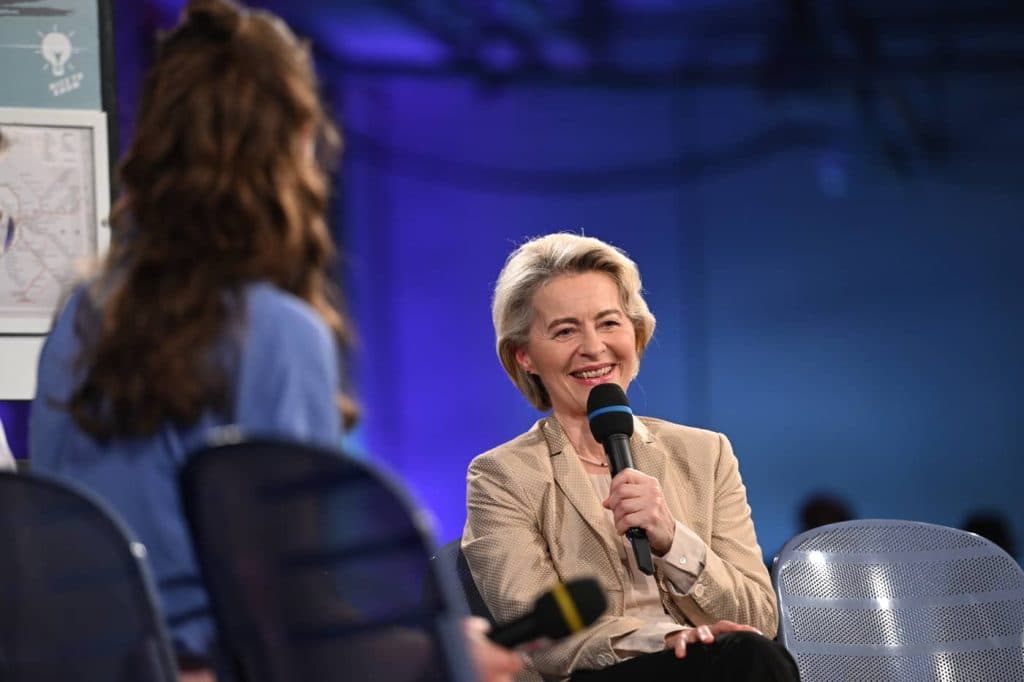
"We must speed up the transition to home-grown clean energy. This will give us energy independence and security, and enable us to weather geopolitical storms better," European Commission President Ursula von der Leyen said in response to the recommendations.
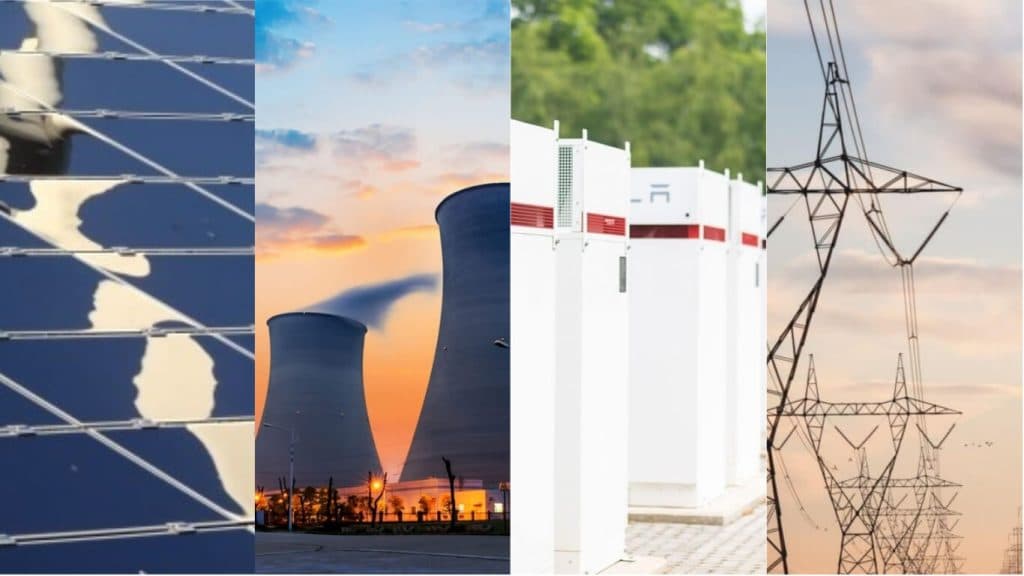
The European Commission says that member states which use more renewable or nuclear energy and have more flexible electricity grids with sufficient capacity and storage are generally less affected by the current energy crisis and sharp price fluctuations.
The fourth area is strengthening the EU's energy system. In this context, the Commission has urged member states to speed up negotiations on the so-called Grids Package, which concerns energy highways. According to the EC, transmission and distribution grids need to be modernised, bottlenecks removed and infrastructure prepared for the rapidly growing share of renewables. The package is expected to be adopted by this summer.
The fifth and final area is supporting investment, with the Commission calling for public and private financing to be mobilised for the transition to clean energy.
The war in the Middle East began on the last day of February with a US-Israeli attack on Iran. Before the war began, roughly one-fifth of the world's oil and gas supplies passed through the Strait of Hormuz, which lies off Iran's coast. Threats from Iran have brought shipping through the strait to a virtual halt, leading to a significant rise in oil prices and sharp fluctuations in gas prices. The EU imports about 30 to 40 percent of its jet fuel, half of which comes from the Middle East.
Translation disclaimer
This article is a machine translation of the Czech original and has not yet been fully reviewed. In case of any doubt, please refer to the Czech version.
Sdílejte článek prostřednictvím:
You might also like
3 October 2026, 13:01
3 October 2026, 07:43
2 October 2026, 21:55