26 November 2026, 16:48
Loading...
The future of combustion engines in the EU remains uncertain. Alternative fuels could offer a lifeline after 2035

Zuzana Vrbová
6 July 2022, 08:48
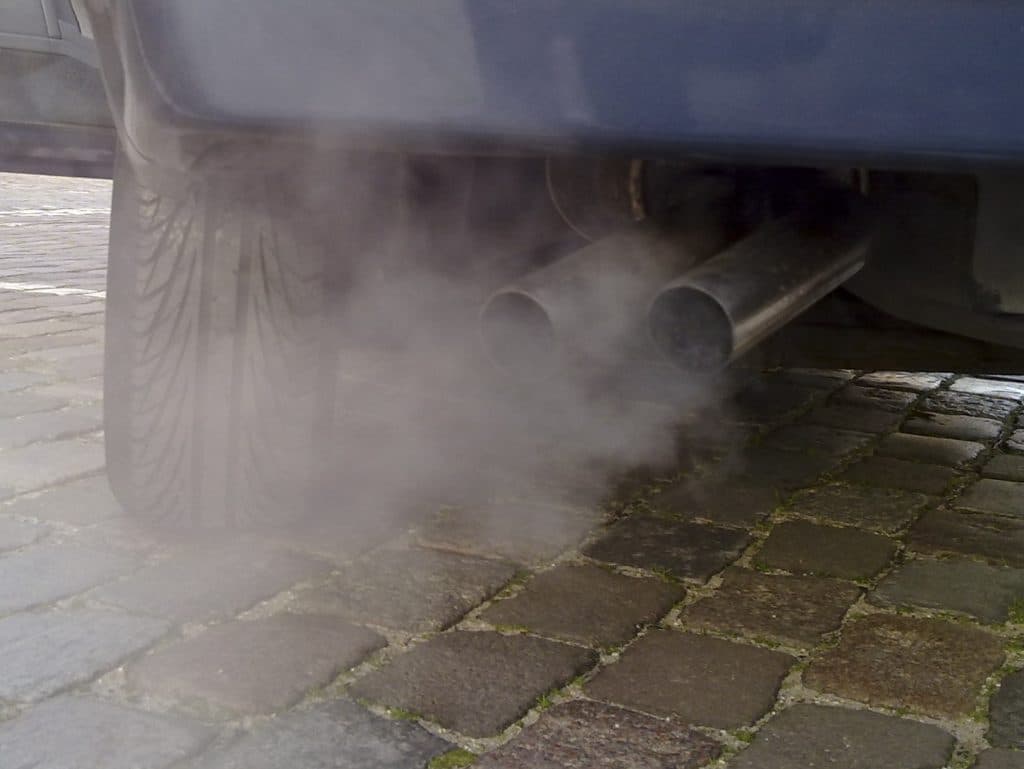
Ministers from European Union member states reached a compromise last week on a package of measures to reduce emissions from transport. One of the measures requires CO2 emissions from newly sold cars to be cut by 100%. This could effectively bring sales of new cars with petrol or diesel engines to a halt, but unconventional fuels, especially synthetic fuels, remain an option.
As reported by Euractiv, all EU member states agreed on the measure at a meeting on 29 June. The measure is intended to steer the European car industry towards electromobility, which is expected to become a reality after 2035 thanks to an increasingly dense charging infrastructure.
First proposed in July 2021, the measure could effectively bring sales of new, as opposed to used, petrol and diesel cars and light commercial vehicles to a halt from 2035. However, carmakers will still be able to sell cars based on the old technology.
Translation disclaimer
This article is a machine translation of the Czech original and has not yet been fully reviewed. In case of any doubt, please refer to the Czech version.
The article continues for subscribers
Premium content
The rest of this article is available to premium subscribers only. Get access to all premium articles on oEnergetice.cz.
You have read only 35% of the article — unlock the remaining 65% with a premium subscription.
Best value: annual subscription
Monthly option 4 € / month
3.25 €/ month
You might also like
26 November 2026, 14:18
26 November 2026, 13:03
26 November 2026, 11:27