25 September 2026, 09:51
Loading...
Czech Republic plans 100 biomethane plants by 2030, up from 12 now

oEnergetice.cz, ČTK
18 October 2025, 11:35
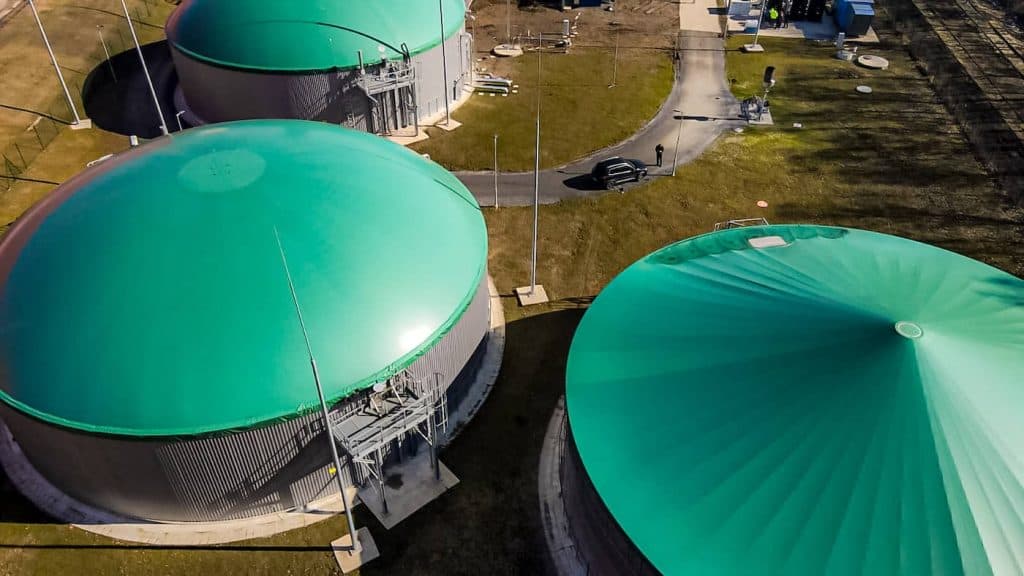
Under the state's current plans, the Czech Republic aims to have around 100 biomethane plants by 2030, compared with 12 now. Biomethane production would then be up to twenty times higher than today. Industry representatives have therefore called on the government to establish support for investors, for example by launching biomethane auctions soon. The CZ BIOM association drew attention to this. A large share of biomethane plants is expected to be created by converting existing biogas plants, of which there are now more than 500.
Biogas plants produce so-called biogas, a mixture of methane and carbon dioxide. It is usually burned directly on site in a cogeneration unit that produces electricity and heat. At biomethane plants, however, the biogas is additionally purified and methane is separated from it. The resulting biomethane then has properties similar to natural gas and can be used in gas grids or as vehicle fuel.
"The Czech Republic has already attempted to kick-start biomethane production through operating support, but this ends this year. We welcome efforts to improve conditions, such as partially offsetting feedstock prices for biomethane and biogas production. However, it is now necessary to urgently launch a new support model and ideally finalise the auction conditions by the end of the year, with authorities indicating that the first round will take place in April 2026," said association chairman Jan Habart. According to the association, the potential for demand growth lies particularly in transport and heating.
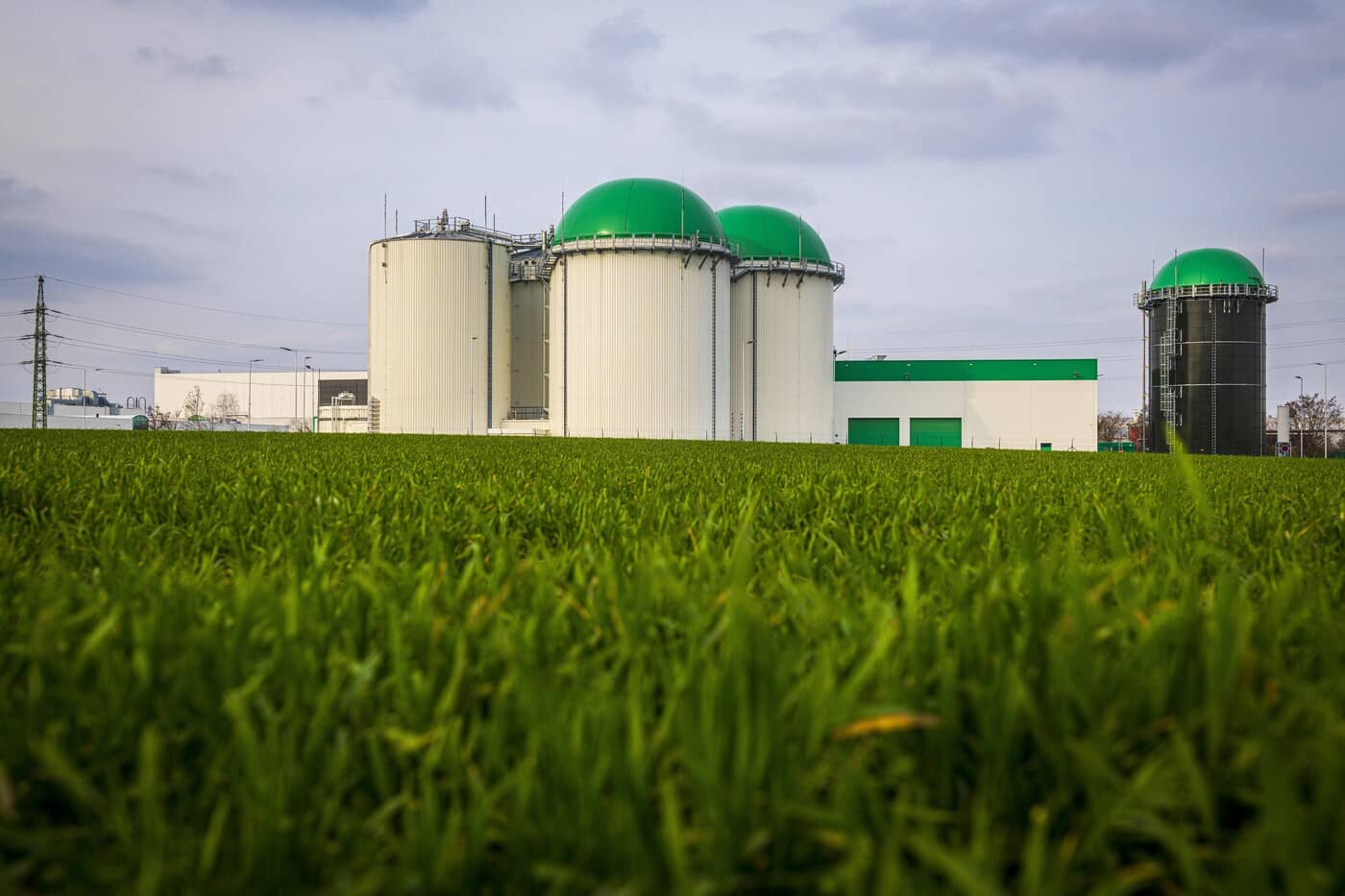
Biomethane plant in Mladá Boleslav. Source: GasNet
Authorities presented an action plan for biomethane in the summer, under which the Czech Republic is to produce 491 million cubic metres of biomethane in 2030. The plan envisages a gradual increase in production, primarily through the conversion of roughly half of biogas plants into biomethane plants. "Biomethane helps reduce emissions in sectors that are difficult to electrify. These include heavy-duty freight transport, heating and industrial processes," said Lukáš Minařík from the Ministry of the Environment's (MŽP) industrial and energy decarbonisation department.
René Neděla, director general of the energy section at the Ministry of Industry and Trade (MPO), recalled that operating support for electricity at existing biogas plants will gradually end over the next four years. "Biomethane is a major opportunity to keep these facilities in operation, but with a different product. That is why we set up a new regulatory framework in advance to ensure that the transition to biomethane is as successful as possible," he noted.
According to Habart, the government must present the conditions and the auction itself as soon as possible, as the new support model will slow construction. "Under the previous support scheme, support was received by an operator that began operations while the support was in force. Under the new auction model, investors will first compete for support and only then implement the project. The first plants under the new support scheme will therefore not be built before 2027," Habart added.
Translation disclaimer
This article is a machine translation of the Czech original and has not yet been fully reviewed. In case of any doubt, please refer to the Czech version.
Sdílejte článek prostřednictvím:
You might also like
24 September 2026, 11:23

24 September 2026, 10:30
24 September 2026, 06:56