4 October 2026, 21:07
Loading...
Fico: Slovakia is interested in gas supplies from Romanian Black Sea project

oEnergetice.cz, ČTK
27 March 2026, 17:41
Slovakia is interested in natural gas supplies from the Romanian Neptun Deep production project in the Black Sea. Slovak Prime Minister Robert Fico said this today in Bucharest at a meeting with his Romanian counterpart, Ilie Bolojan. Neptun Deep is one of the most significant gas fields in the European Union. It is estimated to contain up to 100 billion cubic meters of recoverable gas, Reuters reported.
"We have expressed interest and said that if Romania intends to export this gas beyond its borders, that is, not use it for its own consumption, Slovakia is offering the use of existing infrastructure and will be interested in this gas on a commercial basis. This is because political and ideological decisions have been made that imports of all Russian gas and Russian oil into the territory of the Slovak Republic will end in 2027," Fico said.
A Romanian official told Reuters last week that Hungary and Germany are also interested in gas from the Neptun Deep project. However, the official added that the Romanian economy should make as much use of the project's gas as possible. The first gas supplies from the project are expected to begin next year, Reuters reported.
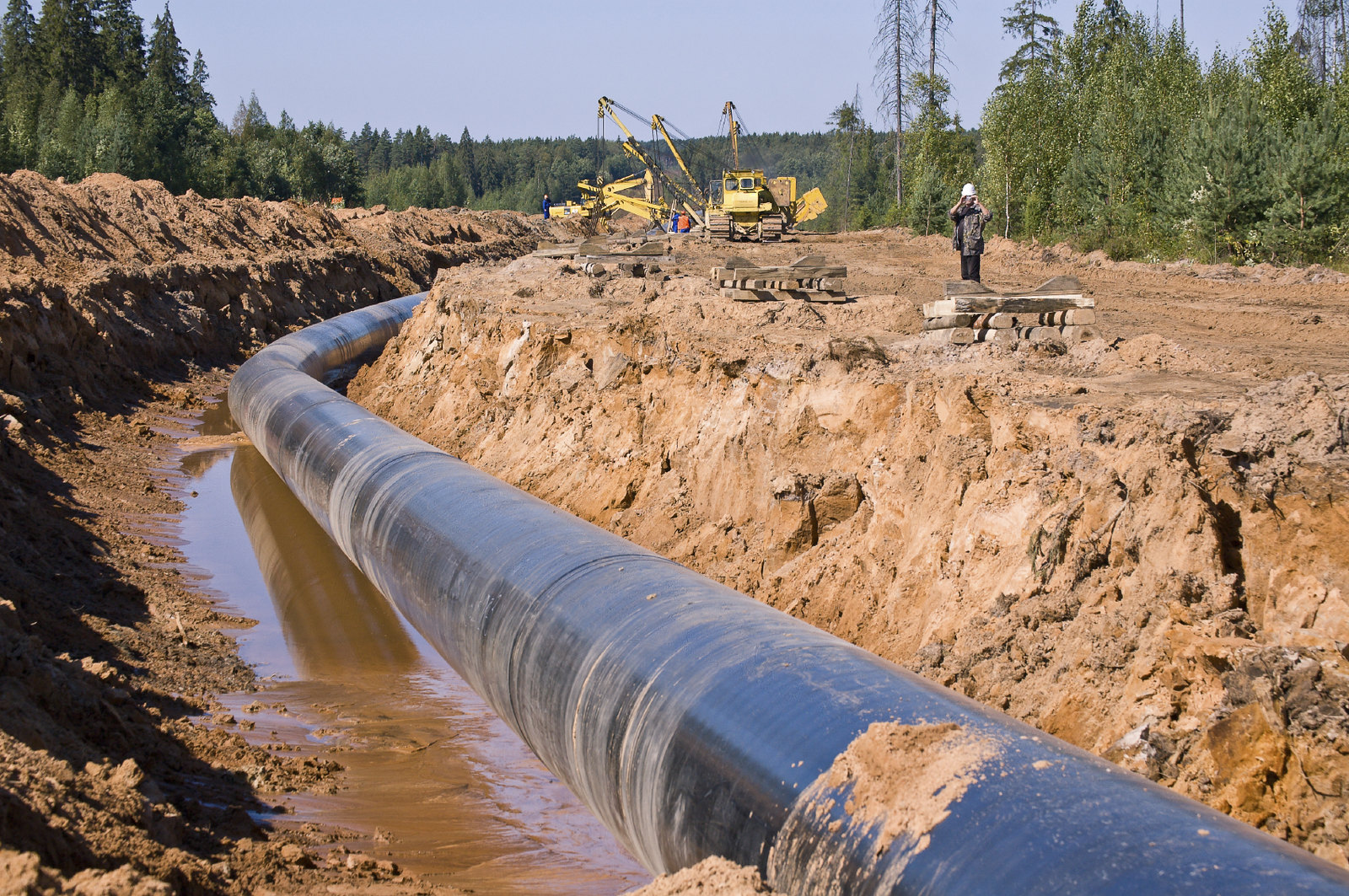
Construction of a gas pipeline. Source: Flickr / npcaonline / CC BY 2.0
In February, EU member states gave final approval to a plan to gradually introduce a complete ban on Russian gas imports next year. The EU wants to reduce its dependence on Russia while depriving the Kremlin of revenues it uses to finance the war in Ukraine. Slovakia and Hungary, which remain heavily dependent on Russian gas and oil, voted against the regulation.
Fico said this week that the Slovak government had approved Bratislava's approach to the planned lawsuit against the regulation to end Russian gas imports into the EU. Hungary has already filed a lawsuit on the matter with the EU Court. Under the approved regulation, Russian LNG imports will end no later than January 1, 2027, while Russian pipeline gas imports will be permitted under certain conditions until no later than November 1, 2027.
Slovakia and Hungary have long defended imports of Russian energy, although the European bloc began reducing its dependence on imports of Russian oil and natural gas after Russia's military invasion of Ukraine in February 2022.
Translation disclaimer
This article is a machine translation of the Czech original and has not yet been fully reviewed. In case of any doubt, please refer to the Czech version.
Sdílejte článek prostřednictvím:
You might also like

3 October 2026, 13:01
3 October 2026, 07:43
2 October 2026, 21:55