
25 September 2026, 09:51
Loading...
Gas consumption in Czechia continues to rise, driven by weather and accelerating coal-to-gas switching

oEnergetice.cz, ČTK
9 October 2025, 11:43
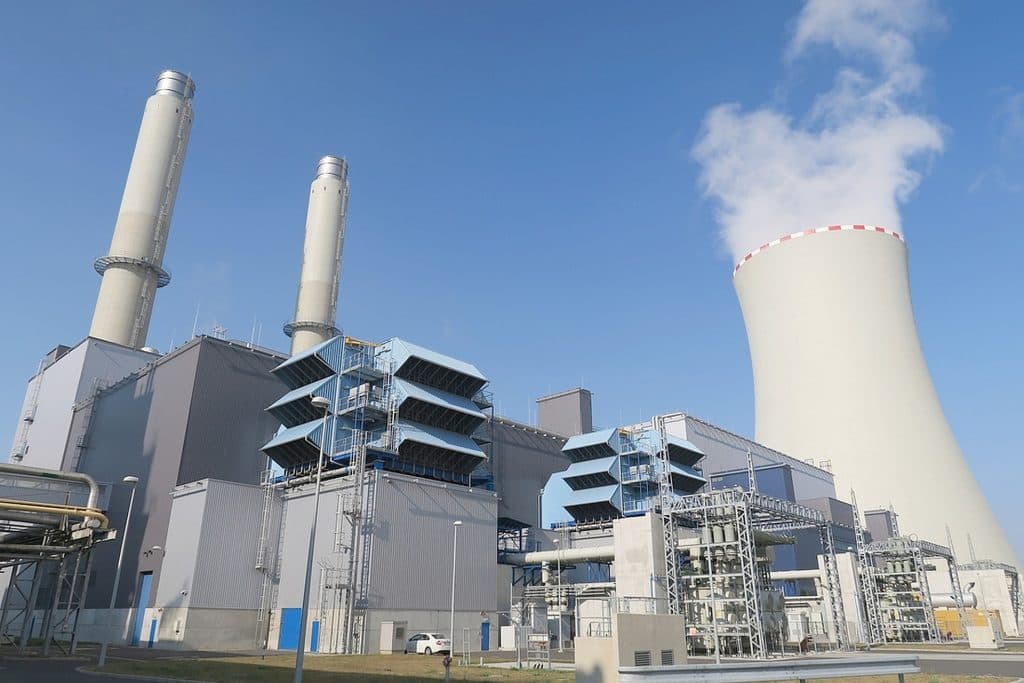
Gas consumption in Czechia continues to rise this year. In the first nine months of this year, Czechs consumed more than 53 terawatt-hours (TWh) of natural gas, 11 percent more than last year. Colder weather has been the main factor. The trend of large and medium-sized sources switching from coal to gas is also increasingly being confirmed. This follows from statistics from the Energy Regulatory Office (ERÚ) and distributors obtained by ČTK.
However, according to the regulator’s data, this year began with an across-the-board decline in consumption, with gas use in January several percent lower year on year. In subsequent months, however, consumption rose more significantly compared with last year. The reason was the weather, which had been colder since February than in the previous year. The situation reversed only in August, when gas companies recorded a slight year-on-year decline in consumption.
The increase in consumption is evident among households as well as large and medium-sized customers, which mainly include district heating plants, chemical plants and industrial businesses. According to GasNet, the country’s largest gas distributor, their interest in gas has risen since the start of the year, with 61 new customers from this segment connected to GasNet’s distribution network in the first three quarters. This represents a year-on-year increase of 38.6 percent.
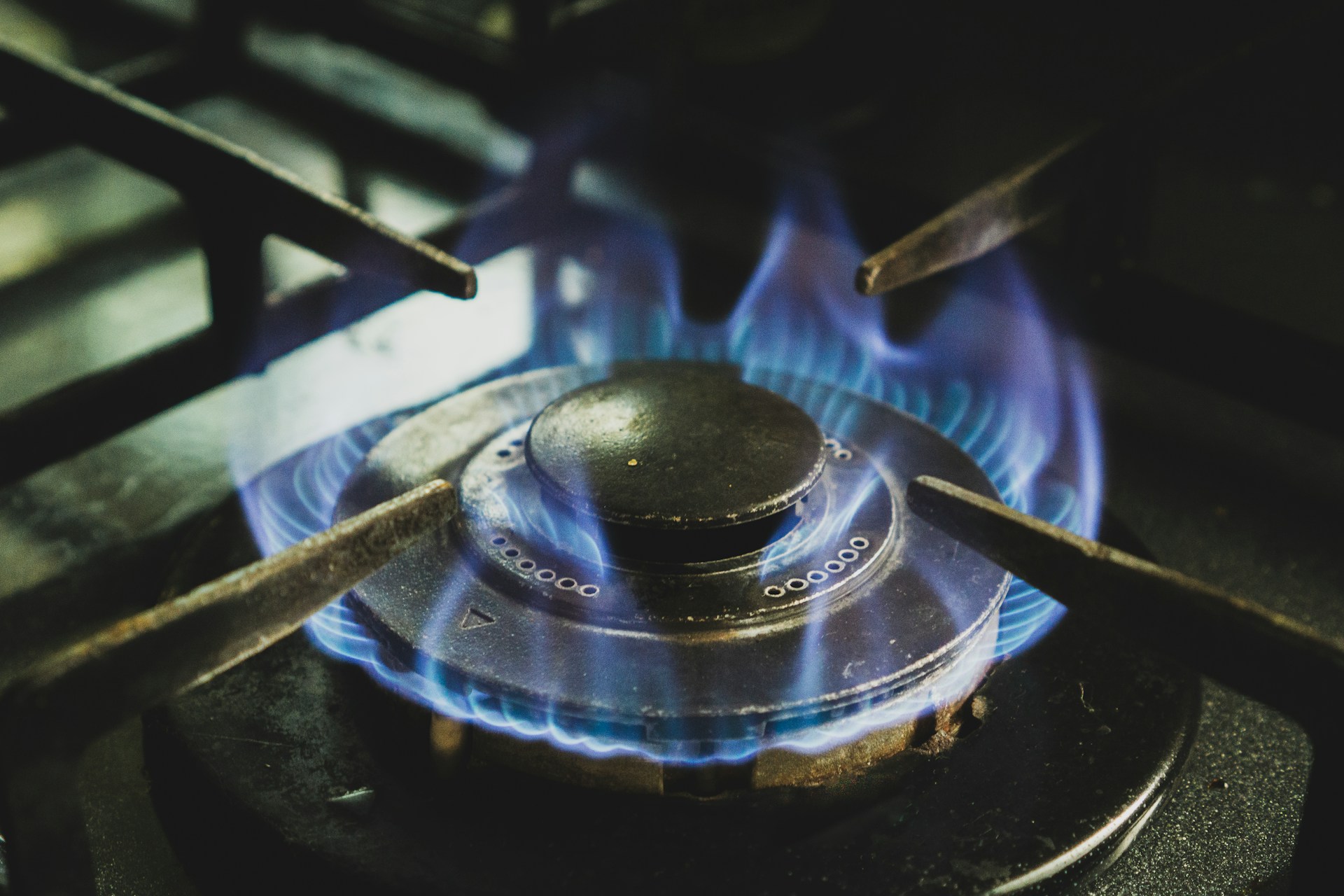
Gas stove. Source: Unsplash
“More and more companies and facilities are gradually implementing their decarbonisation projects, which is reflected in the growing number of new connections to our infrastructure in this segment. We expect this trend to continue,” said Andrzej Martynek, CEO of the GasNet Group.
Gas consumption is likely to continue growing, as the heating season in Czechia began in mid-September. Distributors carried out the main part of their gas facility inspections during the spring and summer months. However, they are still planning one final major check before freezing weather in November, when distributors will begin so-called shock odorisation. For an entire week, they will add a significantly larger amount of odorant to the gas, allowing them to check the overall tightness of gas pipelines and gas connections.
In previous years, by contrast, Czechs had been reducing their energy consumption. In addition to warm weather, experts said the main reason was rising energy prices. This began after the collapse of several domestic suppliers at the end of 2021, while energy prices rose sharply following the start of Russia’s aggression against Ukraine. Savings were evident across all customer categories.
Translation disclaimer
This article is a machine translation of the Czech original and has not yet been fully reviewed. In case of any doubt, please refer to the Czech version.
Sdílejte článek prostřednictvím:
You might also like
24 September 2026, 11:23

24 September 2026, 10:30
24 September 2026, 06:56