
17 October 2026, 13:09
Loading...
BSI: Decentralization of Germany’s energy sector opens the door to cyber threats

David Vobořil
27 May 2025, 11:26
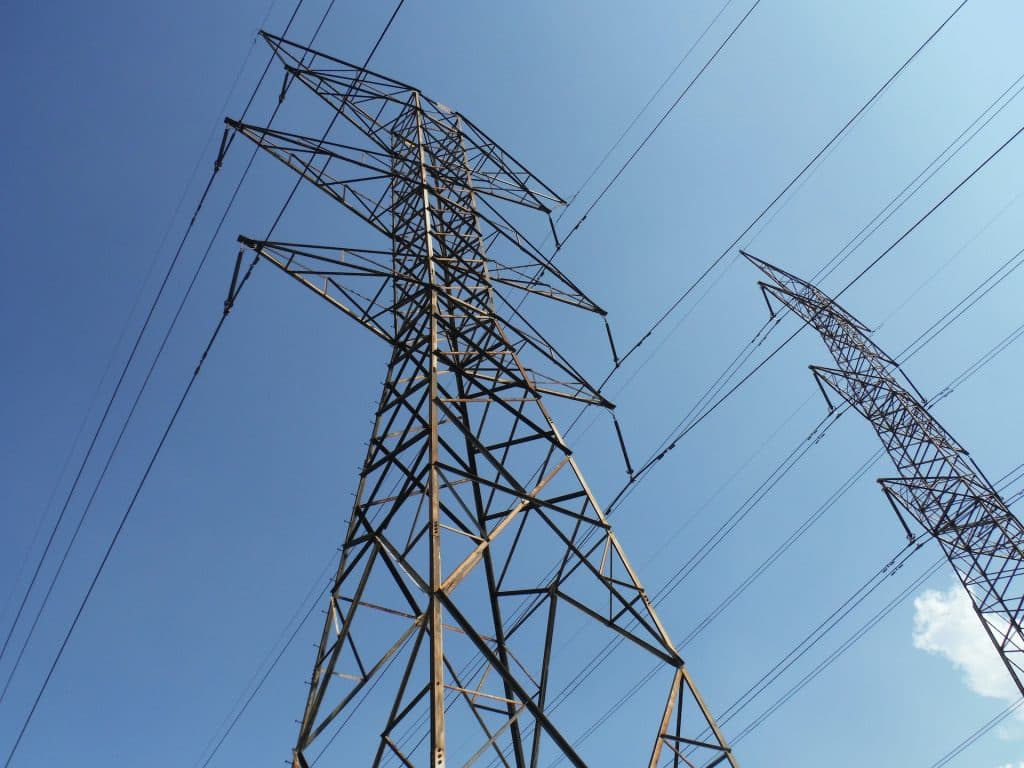
The transformation of Germany’s energy sector is increasing the number of potential targets for cyberattacks, the president of the Federal Office for Information Security (BSI) said in an interview with Funke Mediengruppe. In her view, Germany’s energy sector needs better protection against cyber threats.
The energy sector in Germany is becoming increasingly decentralized. Smaller power plants, such as solar and wind power plants, are protected against external attackers to varying degrees, but according to the head of the BSI, they are often less well protected than large power plants. Electricity supplies are also becoming increasingly digitalized.
“We need this modernization, but we must protect it well,” said Claudia Plattner, president of the BSI, Germany’s highest authority for cybersecurity.
The electricity grid is currently considered safe and stable. According to the BSI, critical infrastructure is better protected today than it was a few years ago, but more investment in IT security is needed.
“If we do not act now, we risk attackers weakening our infrastructure,” said Plattner, who stressed that Germany had experienced “very sophisticated attacks, for example on IT service providers” in the past.
Protecting critical energy infrastructure not only from physical sabotage but also from cyberattacks has become an important issue, especially since the start of Russia’s war against Ukraine. The threat affects all kinds of technologies, from electric cars to photovoltaics.
“Russia currently poses the most urgent and immediate threat to Germany’s cybersecurity,” Plattner added.
Germany is currently also a target of attacks by several other countries, including China, North Korea and Iran. According to Plattner, Germany is an attractive target for both economic and geopolitical reasons.
Translation disclaimer
This article is a machine translation of the Czech original and has not yet been fully reviewed. In case of any doubt, please refer to the Czech version.
Sdílejte článek prostřednictvím:
You might also like




16 October 2026, 10:16