
17 October 2026, 13:09
Loading...
German households still prefer fossil fuel heating, but heat pumps are catching up

Eduard Majling
4 June 2025, 10:08
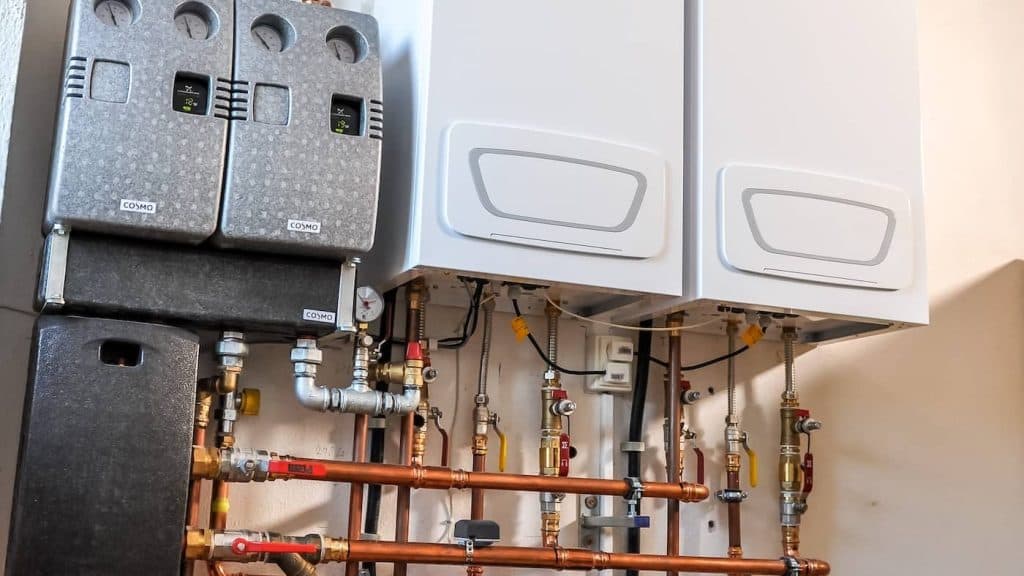
German households continue to prefer fossil fuels, especially natural gas, when replacing their heating systems. However, the share of heat pumps has gradually increased in recent years, coming close to that of fossil-fuel alternatives last year. The shift to heat pumps in Germany is also driven by carbon pricing for heating emissions, which has been in place in the country for several years. A similar system is nevertheless due to be fully introduced across the EU in 2027.
According to the latest survey conducted as part of the Copernicus Ariadne project, which is funded by the German government, German households are continuing to renovate their heating systems. The survey, conducted among a representative sample of 15,000 households, nevertheless showed that the pace of heating system replacements slowed last year.
While 4.6% of the households surveyed upgraded their heating systems in 2022, the figure was just 1.3% last year. One positive development, however, is the growing share of heat pump installations. According to the survey, heat pumps still lagged well behind fossil fuels in 2023, but the picture was different last year. Of the heating system upgrades in the 1.3% of households surveyed, 0.7% involved fossil fuels and 0.5% heat pumps.
"The sharp decline from 4.6% overall in 2022 to 1.3% in 2024 applies to both fossil-fuel heating systems and heat pumps. This suggests that a lack of information about funding programmes, as well as political uncertainty over climate policy, the Buildings Energy Act and municipal heating plans, are slowing the politically desired transition to new heating systems," explains study co-author Kathrin Kaestner of the Leibniz Institute for Economic Research.
German household budgets are already being affected by carbon pricing for CO2 emissions from heating. Unsurprisingly, the survey found that households where heating costs make up a larger share of total living expenses tend to oppose emissions pricing. From 2027, the German system is due to be integrated into the EU-wide EU ETS 2, which will also introduce emissions allowances for heating and road transport.
Translation disclaimer
This article is a machine translation of the Czech original and has not yet been fully reviewed. In case of any doubt, please refer to the Czech version.
Sdílejte článek prostřednictvím:
You might also like




16 October 2026, 10:16