25 November 2026, 07:20
Loading...
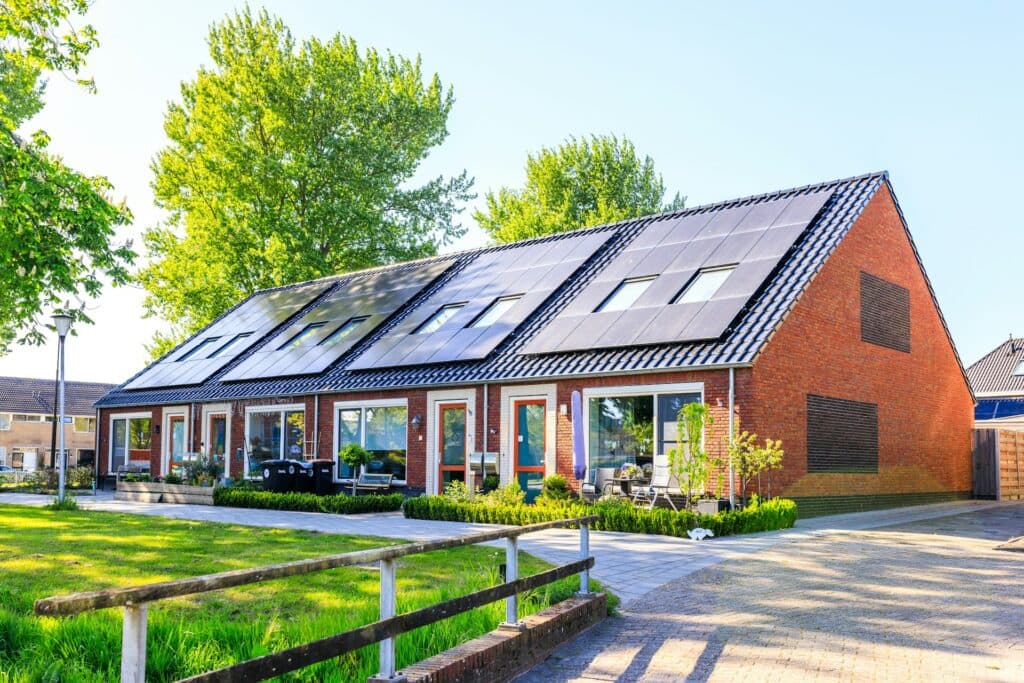
Germany: 71% of residential buildings completed last year are heated with renewables

David Vobořil
5 June 2022, 09:45
More than two thirds of residential buildings completed in Germany in 2021 are heated using renewable energy sources, Germany’s Federal Statistical Office said. However, Germany is still struggling to upgrade heating systems in existing buildings.
The share of newly completed residential buildings in Germany that are heated wholly or partly using renewable energy sources rose to 70.7% in 2021. The share was 68.8% in 2020 and 61.5% five years earlier.
In addition to all types of heat pumps, renewable energy sources for heating include solar thermal collectors, pellet heating or wood stoves, biogas/biomethane and other biomass.
Half of the residential buildings completed in 2021 use heat pumps, a significant increase from 31.4% in 2015. The use of natural gas heating in new buildings is declining, from 51.5% in 2015 to 34.3% in 2021. District heating was the primary heating source in 8% of residential buildings completed last year.
Oil heating was still used as the primary heating source in 611 new residential buildings, representing 0.6% of new buildings. In 2015, the figure was 1,195, or 1.1% of new residential buildings.
Translation disclaimer
This article is a machine translation of the Czech original and has not yet been fully reviewed. In case of any doubt, please refer to the Czech version.
The article continues for subscribers
Premium content
The rest of this article is available to premium subscribers only. Get access to all premium articles on oEnergetice.cz.
Best value: annual subscription
Monthly option 4 € / month
3.25 €/ month
You might also like
24 November 2026, 12:24
24 November 2026, 11:47
24 November 2026, 11:29
24 November 2026, 06:07