7 October 2026, 19:33
Loading...
Germany approved a record 2000 km of high-voltage lines last year, up half year on year

Eduard Majling
7 January 2026, 07:01
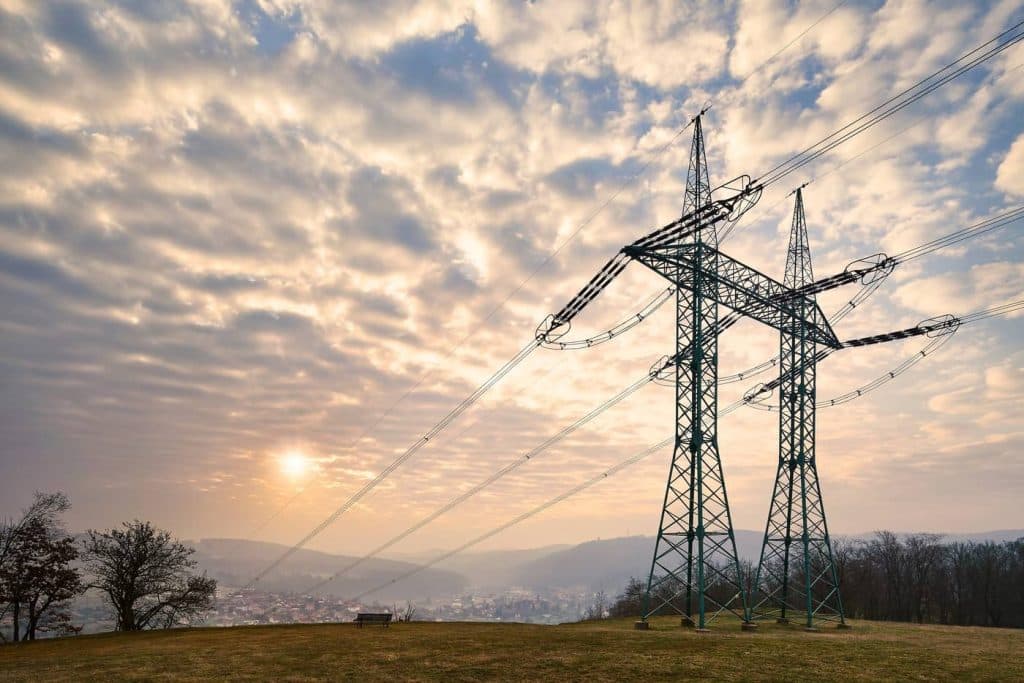
Modernising Germany’s transmission grid is an essential part of its energy transition, known as the Energiewende. Growing demand for transmitting large volumes of electricity from solar power plants in the south and wind farms in the windier north across Germany is placing greater demands on the country’s grid. According to the German network regulator, a record number of kilometres of new lines were approved last year, including the completion of permitting processes for key HVDC lines.
Germany has been working to develop its transmission grid for many years, with permitting processes representing one of the key components. At the beginning of the month, the German network regulator Bundesnetzagentur announced that it had approved a record 2000 km of high-voltage lines last year. The length of lines approved therefore rose by around half year on year. However, there is still a long way to go before all the planned projects are completed.
According to the regulator, last year also saw the permitting process completed for high-voltage direct current (HVDC) lines for the first time. Specifically, these were four major north-south interconnectors: A-Nord, Ultranet, SuedLink and SuedOstLink. These lines are often referred to as energy highways and are intended to help resolve bottlenecks in Germany’s transmission grid.
“We have followed up last year’s announcements with action. Another record year for electricity grid permits followed the previous one. Expanding the electricity grid is essential to the success of the energy transition. In 2025, we completed the approval processes for four major transmission lines. This is clear evidence that the acceleration of recent years is delivering tangible results,” said Klaus Müller, president of the German network regulator.
As part of its energy transition, Germany has planned the construction of more than 16 700 km of transmission lines. According to the regulator, these lines are essential to ensuring a secure and reliable electricity supply after the transition to renewable energy sources. The federal regulator is responsible for permitting around 9600 km, while the individual federal states are responsible for the remainder.
Permitting is speeding up, but project implementation is still lagging
Approving the necessary lines is far from the end of the work to develop the grid; the next step is the actual implementation of these projects. At the end of the first quarter of last year, only 3345 km of these lines had been completed in Germany, or around 15%. Although the pace of construction has picked up slightly, experts warn that it remains insufficient.
Translation disclaimer
This article is a machine translation of the Czech original and has not yet been fully reviewed. In case of any doubt, please refer to the Czech version.
Sdílejte článek prostřednictvím:
You might also like
7 October 2026, 16:15
7 October 2026, 11:20