3 October 2026, 13:01
Loading...
Germany returns to being a net electricity exporter after two years

oEnergetice.cz, ČTK
9 June 2026, 14:27
Germany is a net exporter of electricity for the first time since the end of 2023. Wind power generation is growing in particular, but coal also remains important. Electricity imports fell by 15.5 percent in the first quarter, while exports abroad rose by more than 20 percent. The result was a surplus of 3.1 billion kilowatt-hours (kWh), the German Federal Statistical Office reported today.
A total of 126,6 billion kWh of electricity was generated and fed into the grid in Germany in the first quarter. More than half, specifically 53,3 percent, came from renewable sources such as wind and solar. While electricity generation from renewables rose by almost 14 percent to 67,5 billion kilowatt-hours, conventional power generation fell by almost two percent year on year to 59,1 billion kilowatt-hours.
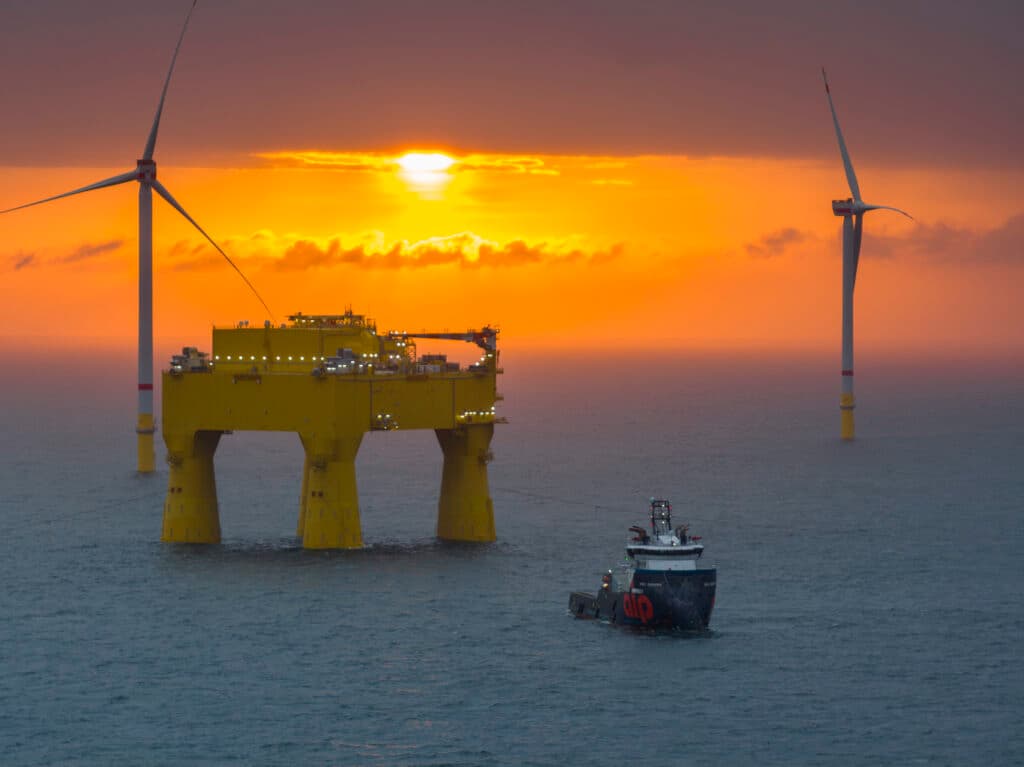
Wind power was the main driver of the increase in renewable electricity generation. Output rose by almost 29 percent compared with the same period last year, reaching 42,8 billion kilowatt-hours. Its share of total domestic electricity generation and supply rose to one third. By contrast, photovoltaic power generation fell by 7,4 percent year on year to 10,3 billion kWh.
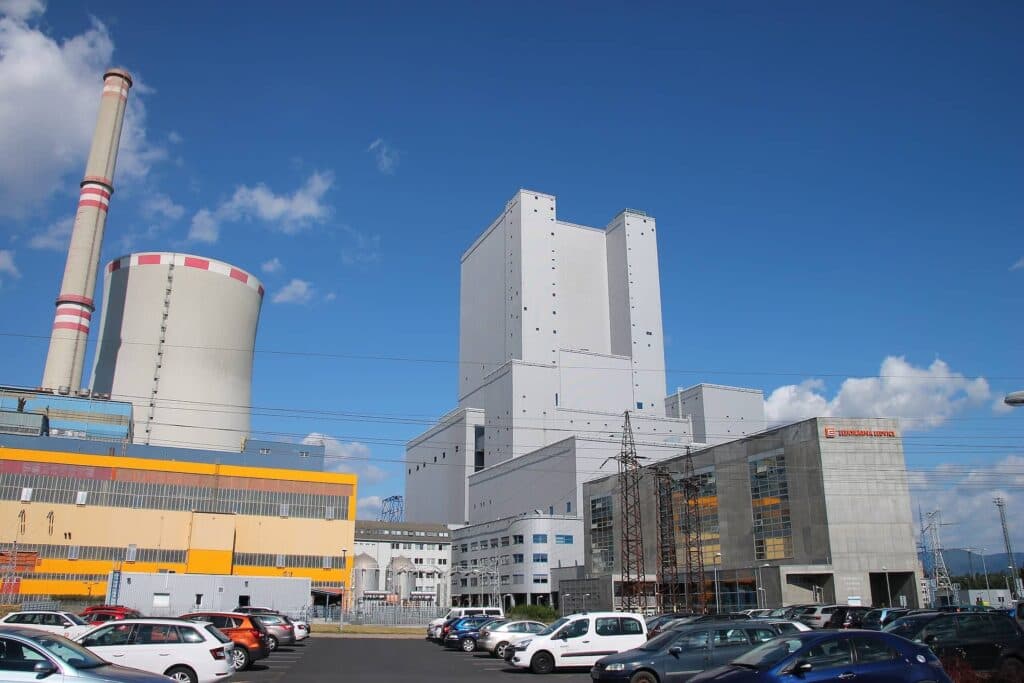
Coal-fired power generation fell by more than five percent in the first quarter to 30,5 billion kilowatt-hours. This meant that coal-fired power plants remained the second most important energy source, accounting for almost a quarter (24,1 percent) of electricity generation in Germany. Natural gas-fired power generation rose by 3,2 percent.
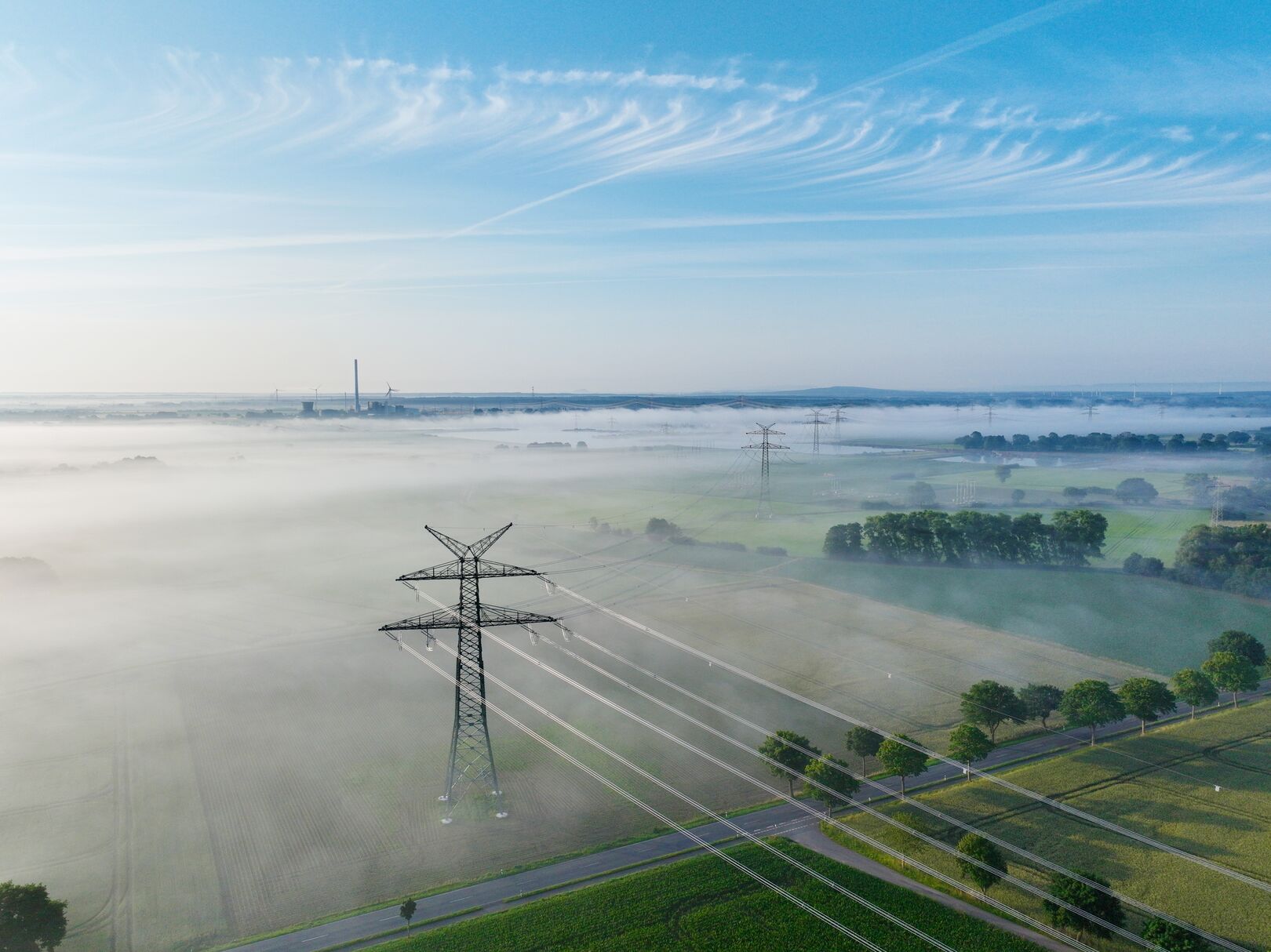
Source: TenneT TSO GmbH
According to earlier data from the Federal Network Agency, Austria was the largest importer of electricity from Germany. The biggest increase was recorded in exports to Denmark and Norway. Significantly less German electricity went to France, the DPA news agency reported.
The expansion of renewable energy sources generally reduces generation costs and wholesale electricity prices. According to the Federal Network Agency, the average wholesale price in the first quarter was 102,17 euros (2470 Kč) per megawatt-hour, 8,7 percent lower than in the same quarter last year. The decline was more pronounced than in most neighbouring countries.
The Czech Republic has long been a net exporter of electricity. Nevertheless, Czech households are among those paying some of the highest electricity prices in Europe.
Translation disclaimer
This article is a machine translation of the Czech original and has not yet been fully reviewed. In case of any doubt, please refer to the Czech version.
Sdílejte článek prostřednictvím:
You might also like
3 October 2026, 07:43

2 October 2026, 21:55

2 October 2026, 15:14