Germany's federal states unanimously reject government plans to scrap subsidies for rooftop solar

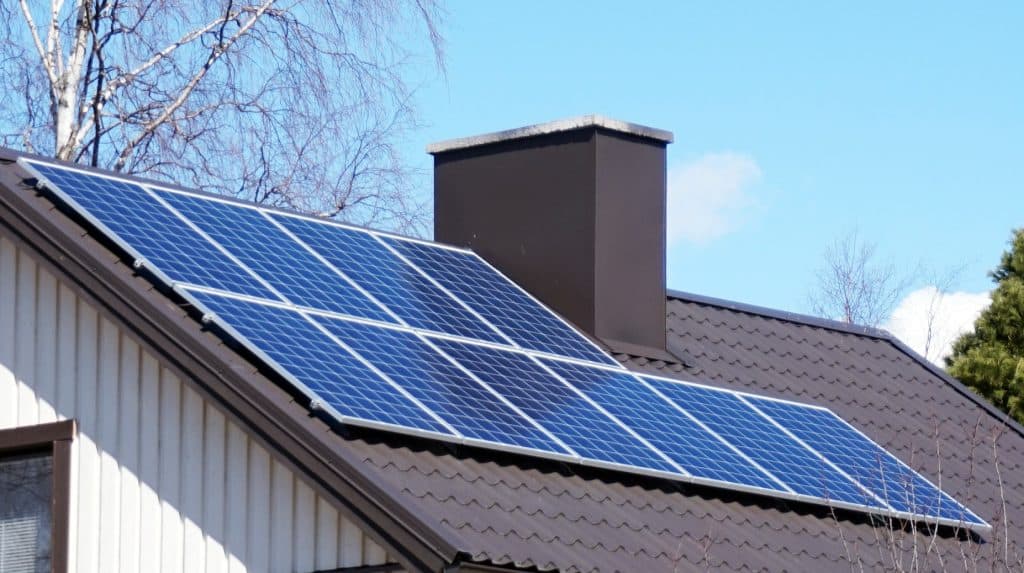
Energy ministers from all 16 German federal states have unanimously opposed the federal government's plans to scale back support for rooftop solar. The German government is currently preparing a new proposal to amend the rules governing support for renewable energy sources, which is expected to be presented later this year. One of the key changes would be the scrapping of feed-in tariff support for small rooftop solar installations.
Germany could end operating support for new small rooftop solar power plants after several decades. Households would lose their entitlement to feed-in tariffs, which have long been a key instrument for supporting new generation sources. However, both industry associations and the regional governments of all Germany's federal states oppose the plan.
According to Clean Energy Wire, at a conference held on the island of Norderney in the north of the country, energy ministers from all the federal states unanimously reaffirmed their commitment to continuing the transformation of the country's energy sector, including the continued development of renewable energy sources. The expansion of rooftop solar has been one of the key pillars of this transformation in Germany.
"We want to stay the course, and there is broad agreement on this across the political spectrum," said Christian Meyer, energy minister of the state of Lower Saxony.
The planned change would apply to rooftop solar systems with a capacity of up to 25 kW. According to the proposal, these systems are already generally profitable and are also used largely to cover their owners' own consumption.
Other reforms related to renewables also face opposition
Other planned changes have also drawn criticism. One of these is the possible restriction of priority grid access for electricity from renewable sources. Some congested parts of the German grid are unable to transmit all the potential output from renewable sources. In such cases, generation is curtailed, and operators receive financial compensation.
The proposed amendment would therefore apply to areas where the risk of overloading the power grid is greatest. Specifically, these are parts of the grid where more than three percent of potential renewable generation was curtailed in the previous year. In such areas, developers would be granted a grid connection only if they waived their right to future compensation for curtailment due to insufficient grid capacity for a period of up to ten years.
For example, the German Environment Agency warns that this change could also have negative impacts. According to the agency, stricter rules would deter many developers from pursuing new projects, resulting in less competition in local auctions. The lower number of projects submitted would, the agency says, lead to higher auction prices for wind farm operators and therefore higher payments to support renewable energy.
Translation disclaimer
This article is a machine translation of the Czech original and has not yet been fully reviewed. In case of any doubt, please refer to the Czech version.