
17 October 2026, 13:09
Loading...
Lithium mining on the German side of the Ore Mountains is expected to start in 2030

David Vobořil
3 April 2025, 15:15
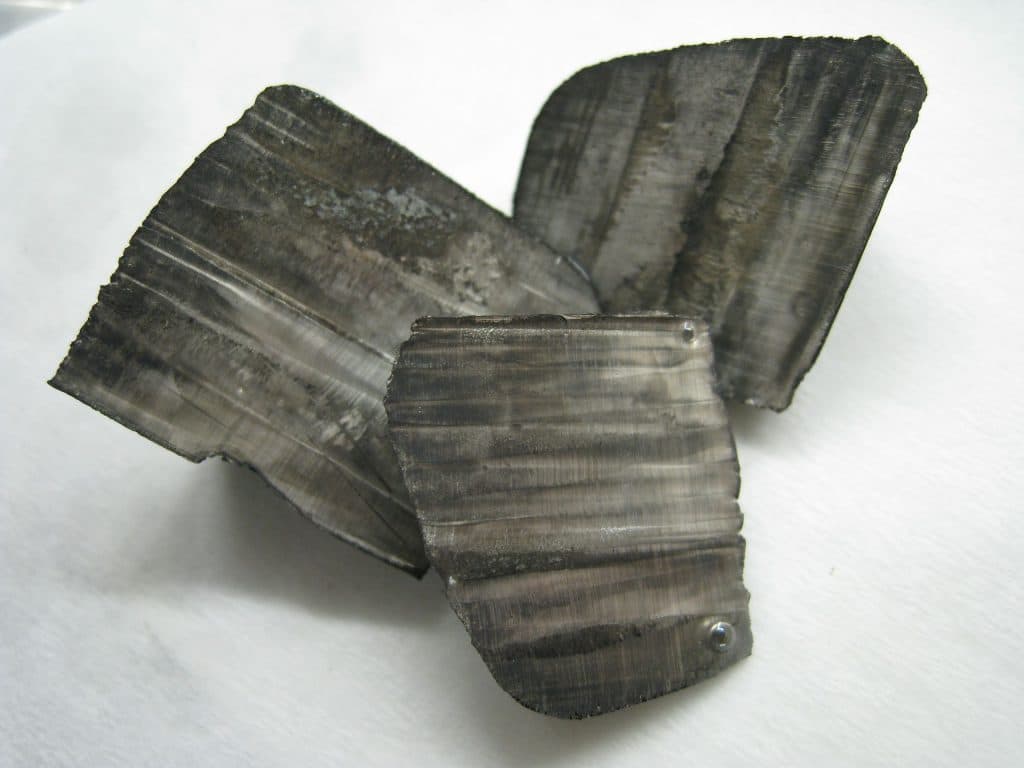
British mining and metals company Zinnwald Lithium could start mining lithium in the Eastern Ore Mountains in Germany as early as 2030. A preliminary feasibility study has found that extracting the rare light metal is technically feasible and profitable. The project is expected to be one of the largest lithium mining projects in Europe.
The Zinnwald Lithium project, located in the German state of Saxony along the Czech border, is expected to be Europe’s third-largest lithium mining project, according to the mining company. The preliminary feasibility study says it should produce 18 000 tonnes of lithium hydroxide monohydrate (LHM) per year in its first phase. That would be enough for batteries for 800 000 electric cars, the German news agency epd reported. Production would increase to 35 000 tonnes per year in the second phase.
The Zinnwald mine will extract lithium at a depth of approximately 100 to 400 metres underground and is expected to use renewable energy exclusively, said Marko Uhlig, head of Zinnwald Lithium’s German subsidiary. The mine could operate for approximately 70 years, the company said.
An even larger lithium deposit is located on the Czech side, where mining is being prepared by Geomet, which is majority-owned by Severočeské doly, a member of the ČEZ Group. Mining on the Czech side is expected to start between 2026 and 2028.
Criticism of the project
Despite the new EU Critical Raw Materials Act, the Zinnwald Lithium project was not included by the European Union among its strategic projects.
"Of course, we would have liked to be selected as a strategic project," Uhlig said. However, an analysis showed that such recognition would not currently bring any direct benefits in terms of financing or approval procedures, the company added.
Local residents and civic groups have also expressed concern that they will ultimately have to bear the environmental and noise burden, while the company extracts mineral resources from the region and the profits go abroad. The Bärenstein civic initiative is also concerned that the project will be significantly larger than originally planned.
"In 2019, the question was whether it would be possible to extract half a million tonnes. In the meantime, that became 1.5 million tonnes, and now we are talking about three million tonnes,"initiative spokesperson Malte Eismann told MDR Sachsen radio. There are also concerns about environmental damage resulting from the planned industrial development.
The mine is expected to generate revenues of 12.1 billion euros over its lifetime and annual EBITDA of just under 10.3 million euros, Tagesspiegel Background reports. The cost of developing the project is estimated at one billion euros.
Lithium as a key raw material for the energy transition
Lithium is a key component of lithium-ion batteries used in electric cars, electricity storage systems and smaller devices such as mobile phones. Demand for this strategic raw material, which is essential to the energy transition, is expected to increase 60-fold by 2050, according to the European Commission.
As Germany and Europe focus on diversifying raw material sources and securing supplies, domestic mining projects such as Zinnwald are becoming increasingly important.
Translation disclaimer
This article is a machine translation of the Czech original and has not yet been fully reviewed. In case of any doubt, please refer to the Czech version.
Sdílejte článek prostřednictvím:
You might also like




16 October 2026, 10:16