
25 November 2026, 07:20
Loading...
Stabilizing Germany's transmission grid cost 2.3 billion euros last year, a record

David Vobořil
10 October 2022, 19:28
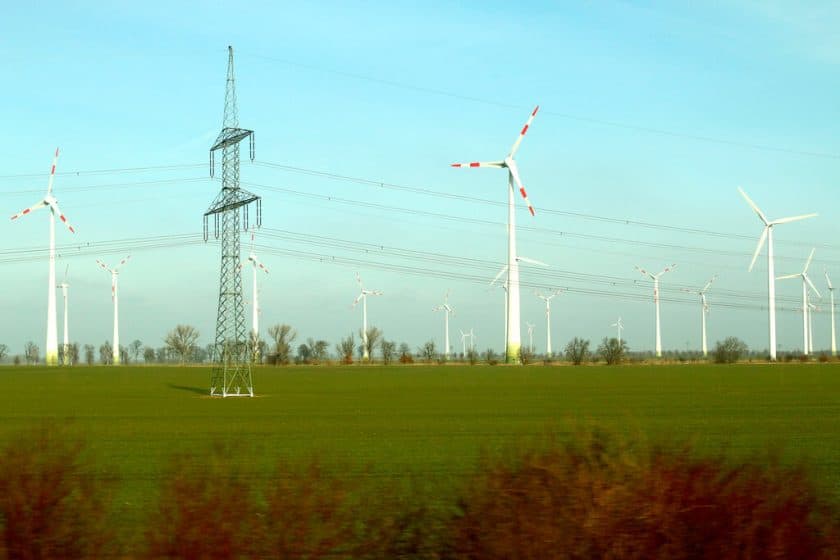
Germany's costs for measures to stabilize its transmission grid rose to 2.3 billion euros last year, the highest figure on record. They were up 60% compared with 2020, mainly due to higher costs for activating conventional power plants for redispatch. This is according to data from Germany's network regulator (BNetzA).
While the costs of measures to stabilize the grid rose 60% year on year to EUR 2.29 billion in 2021, the volume of these measures increased by 19%. Grid stabilization measures include curtailing renewable energy sources (RES) and conventional power plants, as well as increasing generation at conventional power plants operating on the market or held in the grid reserve.

Costs of stabilizing Germany's transmission grid. Data source: Bundesnetzagentur
Renewable energy curtailment
Historically, the largest share of the total costs has traditionally been compensation for lost revenue when electricity generation from renewable energy sources and combined heat and power (CHP) plants was curtailed because the electricity could not be transmitted due to the risk of grid congestion. This changed last year, when the costs of reducing or increasing the output of conventional power plants took the largest share.
Translation disclaimer
This article is a machine translation of the Czech original and has not yet been fully reviewed. In case of any doubt, please refer to the Czech version.
The article continues for subscribers
Premium content
The rest of this article is available to premium subscribers only. Get access to all premium articles on oEnergetice.cz.
You have read only 33% of the article — unlock the remaining 67% with a premium subscription.
Best value: annual subscription
Monthly option 4 € / month
3.25 €/ month
You might also like

24 November 2026, 12:24
24 November 2026, 11:47
24 November 2026, 11:29
24 November 2026, 06:07