Europe bets on “freedom energy” and boosts innovation potential. Czechs are involved
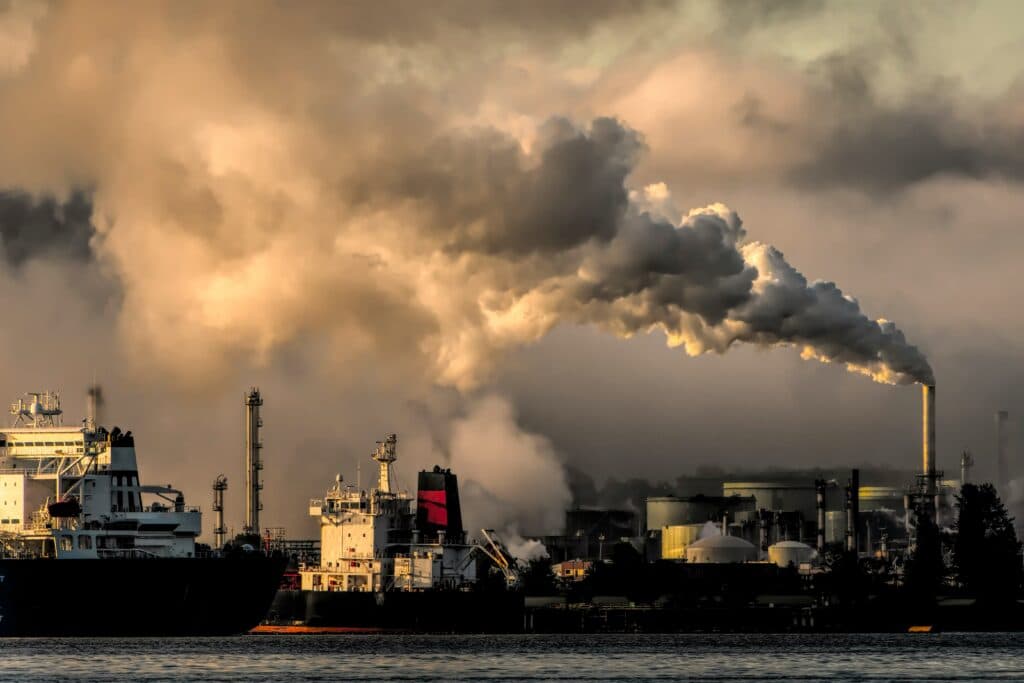
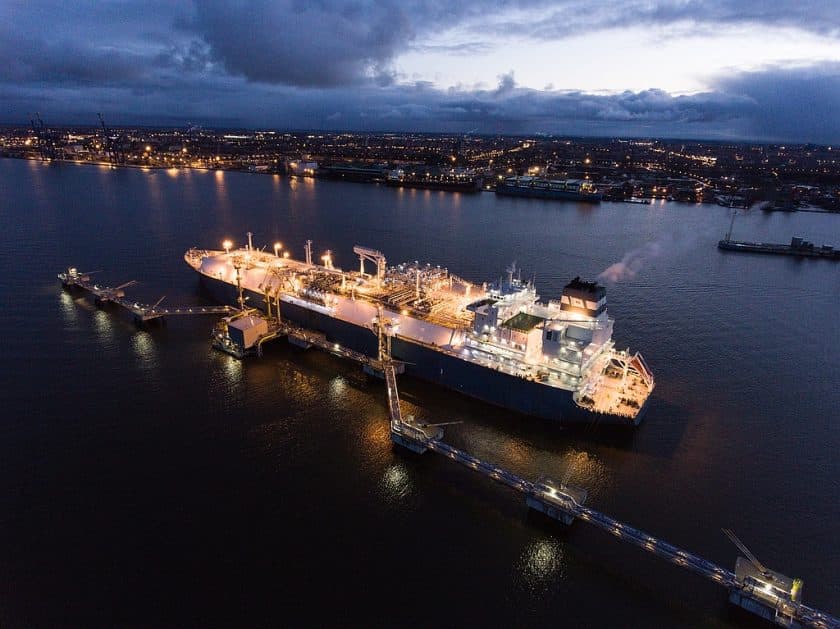
The aggression of Putin’s forces in Ukraine is fundamentally reshaping not only geopolitics, but also energy plans for the coming decade. Energy security is the number one issue. Germans and other Europeans have quickly abandoned the notion that Russian gas could help secure the transition to safer and more sustainable energy. Following February’s “wake-up call”, however, it is necessary to analyse far more thoroughly the various risks and dependencies associated with all energy sources and their supply chains.
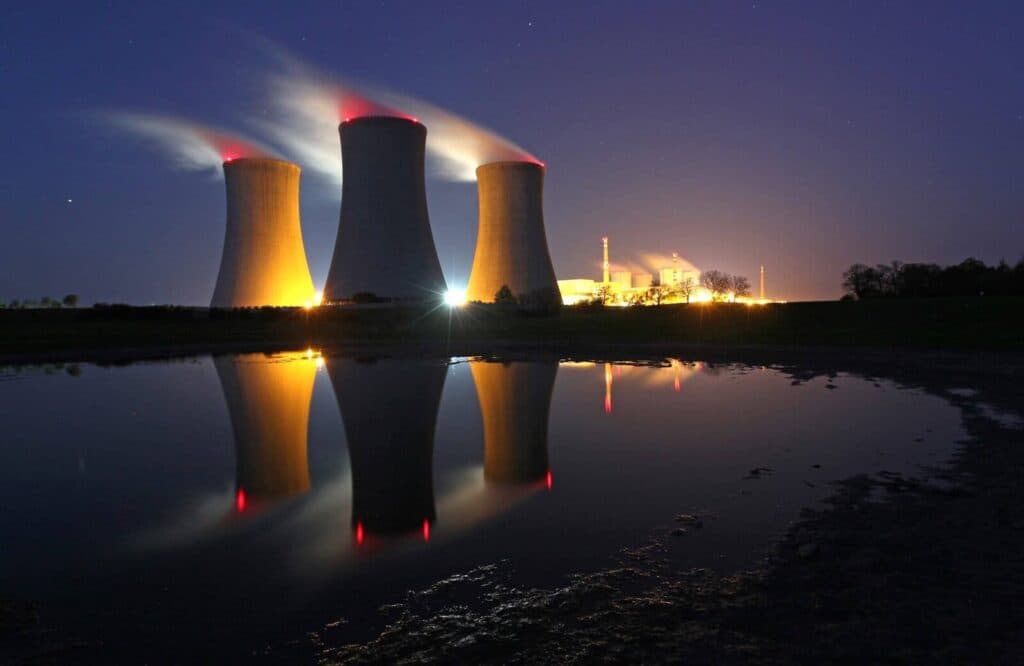
Europe’s bet on renewable sources and the hydrogen economy of the future makes sense from the perspective of both climate policy and energy security. Germany’s liberal finance minister Christian Lindner speaks of “freedom energies”. Greater emphasis on ensuring that future plans are genuinely realistic will probably, however, lead to a slower phase-out of coal and oil products. It is clear that the energy system of the future cannot do without nuclear reactors.
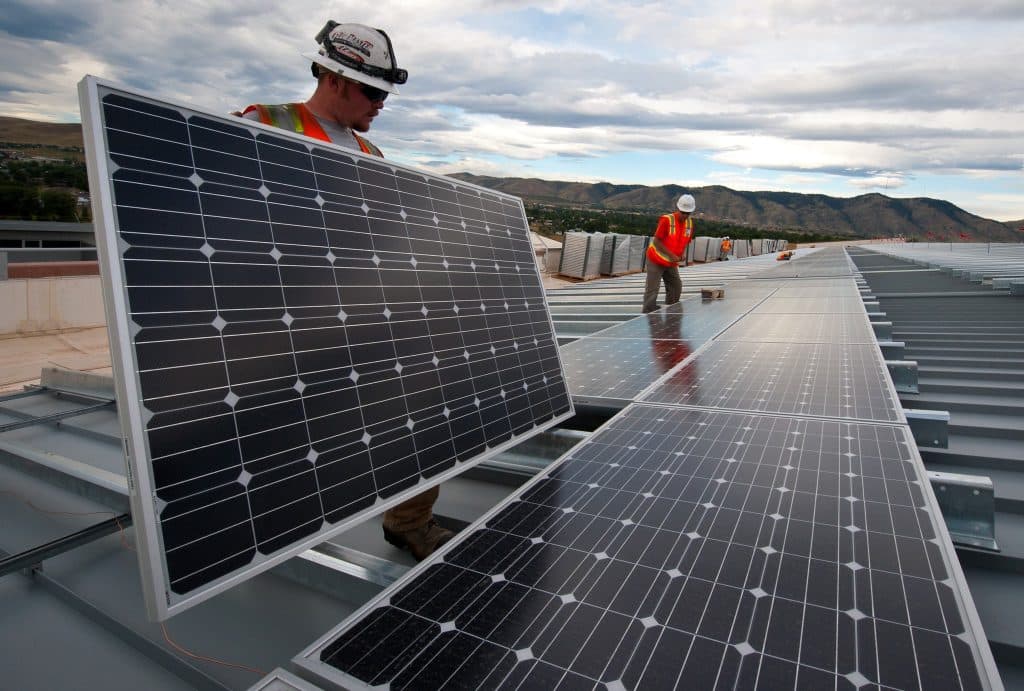
Renewable sources have one key advantage: their boom has already begun and can be relatively rapid. In Czech conditions, this is particularly true of photovoltaics. But European realists must reckon with the fact that promising prospects face a host of obstacles. Besides the much-discussed dependence on the weather, these include other dependencies – for example, on imports of solar panels from China or of various raw materials and components that are essential to the transition to zero-emission energy. This concerns energy generation itself, its storage in batteries or hydrogen, and the shift to “clean” means of transport.
Supply chains had already been disrupted by the Covid pandemic, and the “work of destruction” is continuing because of the war in Ukraine. One raw material that may become scarce due to recent developments is nickel – one of the key materials for battery production. Russia is among its leading miners. On the other hand, the current situation may spur research and development of batteries with a lower nickel content or requiring fewer other raw materials.
Supply-chain complications are caused not only by missing raw materials and components, but also by a lack of human capacity and strict regulation. In the case of photovoltaics, demand may exceed installation capacity, as we are currently seeing in Czechia. Even in countries such as Germany, the slow permitting of wind power projects is often a major problem. The construction of transmission and distribution grids, which need to be reinforced in view of the development of decentralised energy, also frequently faces similar difficulties.
Solar hopes
European support for solar energy over the past ten years has greatly boosted Chinese manufacturers. German magazine Der Spiegel pointed out that the Federal Republic has created “new dependencies” in the solar sector – its supply chain is heavily dominated by China. China accounts for 83 percent of global demand for solar cells, three quarters of the global solar panel market and 77 percent of polysilicon supplies, the key raw material for the photovoltaic industry.
European industry is now coming forward with highly ambitious plans, backed by EU funding, to reverse the situation. The European Solar Manufacturing Council wants to create a complete photovoltaic supply chain with annual capacity of 100 gigawatts by 2030. The goal is to cover 75 percent of domestic demand and direct an even larger share of production to exports. Europe comes closest to these ambitions in polysilicon production, which reached 22 GW in 2020, or 11 percent of the global market. It is in a much worse position in other “items” – solar wafer production stood at 1.25 GW, while the figure was only 0.65 GW for solar cells and 6.75 GW for solar panels.
Plans to relocate the supply chain to Europe were encouraged by the pandemic, which significantly increased the cost of shipping from distant China. Importantly, Europe needs to manufacture the most advanced products. Johan Lindahl, secretary-general of the European Solar Manufacturing Council, told specialist publication pv magazine that our continent remains a leader in innovation, but that this position cannot be maintained without a broader manufacturing base. High-quality European research is precisely the great hope for a better future for the region’s industry.
Czech contribution
Modern Economic Diplomacy magazine has previously described how Czechs also contribute to European research – specifically, the Institute of Physics of the Czech Academy of Sciences. At the end of the last decade, it joined the three-year NextBase research project, supported by the European Union and Switzerland. The research resulted in upgraded silicon cells with efficiency exceeding 25 percent, offering great potential for mass production at competitive prices. Companies such as Italy’s Enel and Switzerland’s Meyer Burger are already bringing the research results into commercial use.
But European research involving Czech participation is far from over. Antonín Fejfar, deputy director of the Institute of Physics, explained that the institute has joined broader consortia working on promising research projects and applying for support from European sources. The Institute of Physics has also been researching perovskites for ten years – minerals that are becoming an alternative to silicon. Research in Czechia and elsewhere in the world is now focusing, among other things, on how best to combine silicon with perovskites.
Based on his experience, Antonín Fejfar confirmed that Europeans used to be ahead of China in research – and that Chinese manufacturers were often grateful when the results of European research were published in specialist journals. The idea of open science is right, according to the Czech physicist, but it is also necessary to protect and make use of the key know-how generated by research projects.
Czech industrialists and researchers can also help strengthen the supply chain for other “freedom energies” – in both its manufacturing and development segments. Wikov, a company owned by entrepreneur Martin Wichterle, has long ranked among the world’s leading manufacturers of gearboxes for wind turbines.
A hydrogen pioneer
A first pioneer has also emerged in a field not previously considered a Czech stronghold – the development and manufacture of hydrogen technologies. Czech company Leancat offers a solution to overcome the problems of a potential future shortage and high price of platinum, a key material in the catalysts of hydrogen fuel cells and electrolysers that produce hydrogen from water. The promising company is led by Professor Vladimír Matolín, who has long worked at the Faculty of Mathematics and Physics at Charles University.
“Six years ago, we patented at the faculty a new method for manufacturing fuel-cell catalysts with a lower content of expensive platinum, which was later followed by a patent for catalysts for electrolysers,” Vladimír Matolín said in an interview for Modern Economic Diplomacy magazine. Leancat has agreed with the university on the potential manufacture of catalysts under its licence, but it is already successful particularly in exporting testing stations for fuel cells.
Vladimír Matolín adds that, according to analyses by the US Department of Energy, expensive platinum could be an obstacle to the mass deployment of fuel cells and electrolysers.
You can read more about hydrogen technologies and renewable sources in the next issue of Modern Economic Diplomacy magazine.
The article was published on the Export.cz websiteTranslation disclaimer
This article is a machine translation of the Czech original and has not yet been fully reviewed. In case of any doubt, please refer to the Czech version.