Nuclear plants in the US will be able to produce clean hydrogen, including existing ones

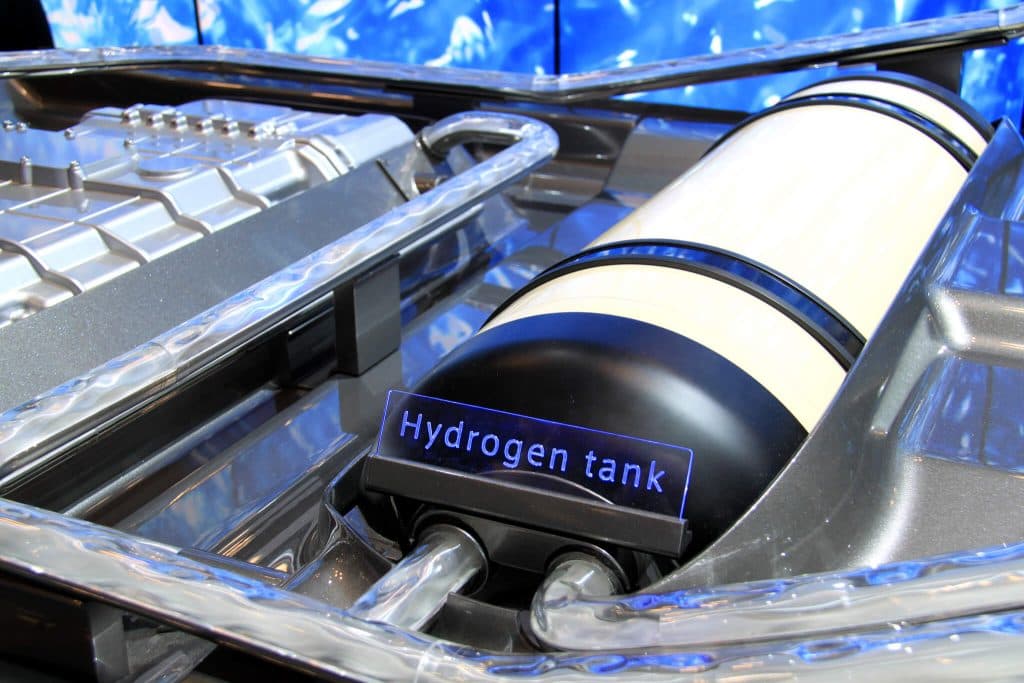
The question of sustainable hydrogen production is not an issue only in Europe; similar discussions are taking place in other parts of the world as well. The United States is one of them, where nuclear power plants face competition in wholesale electricity markets not only from renewables but also from gas-fired plants, thanks to low gas prices on US markets and the absence of emissions allowances in most states. Hydrogen production could therefore help keep nuclear power plants that would otherwise face closure in operation.
Including nuclear power plants among the sources that could produce sustainable hydrogen in the future is often a contentious issue in many countries. However, the list of eligible sources is not the only obstacle. Another important requirement in many cases is that only new sources produce green or sustainable hydrogen. This is intended to prevent existing renewable or other low-carbon sources from diverting their power to hydrogen production.
The current US administration has now introduced changes to the rules supporting clean hydrogen production, which were introduced in 2022 under the well-known Inflation Reduction Act (IRA). The original draft rules stipulated that sustainable hydrogen could be produced only by sources that had come online no more than three years before hydrogen production began at an associated electrolyzer. This rule would have excluded virtually all US nuclear power plants from the list of possible sources.
"Over the past two years, our administration has listened to stakeholders across the hydrogen industry, states, advocates and others. The extensive revisions we have made in this final rule provide the certainty hydrogen producers need to move forward with their projects and make the United States a world leader in truly green hydrogen," John Podesta, the president's senior adviser for international climate policy, said, according to the website.
The revised rules still require hydrogen to be produced using newly commissioned capacity, according to World Nuclear News, but allow certain exceptions for existing sources. These include nuclear power plants at risk of closure.
They will now be treated as though closing the plant would create a need to build new capacity. If the plant remains in operation and produces hydrogen, however, no new emissions would be generated. This exception will be limited, though: each eligible nuclear unit will be allowed to use no more than 200 MW of capacity for hydrogen production.
"Our customers need access to reliable nuclear energy to transition to clean hydrogen and other sustainable technologies that reliably power their businesses and support our country's economic growth," said Joe Dominguez, president and CEO of Constellation, the largest nuclear power plant operator in the US and the country's largest producer of carbon-free energy.
Translation disclaimer
This article is a machine translation of the Czech original and has not yet been fully reviewed. In case of any doubt, please refer to the Czech version.




