EU eases sanctions on Syria, including in the energy sector
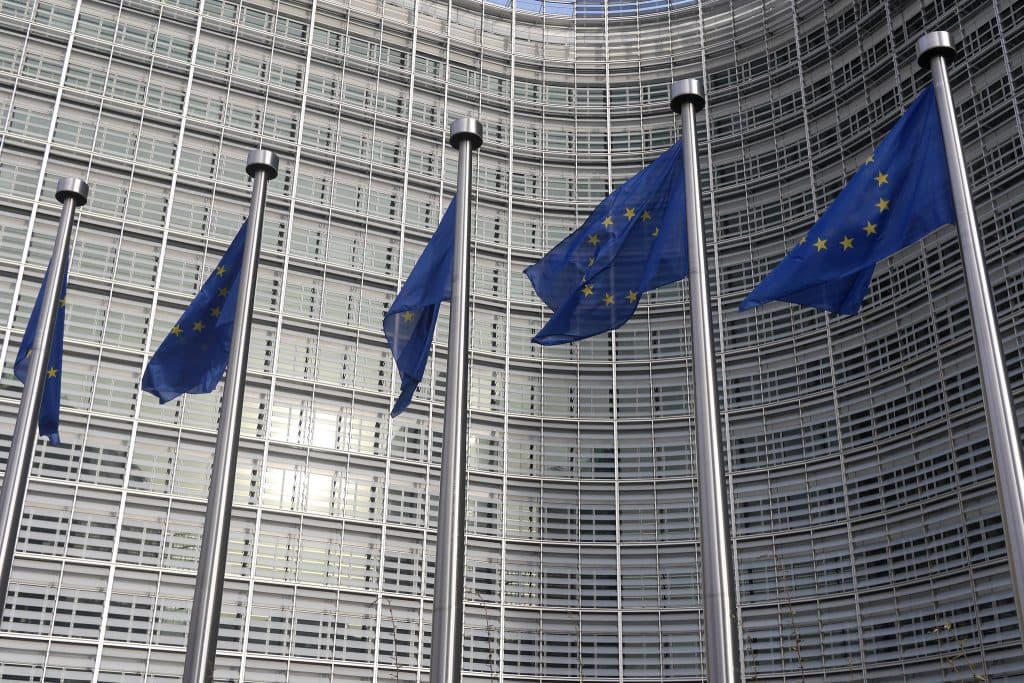
The European Union will ease sanctions on Syria relating to energy, transport and finance. EU foreign ministers discussed the matter at a meeting in Brussels on Monday.
Syria is the third most-sanctioned country in the world, after Russia and Iran. In the 1970s, the United States placed it on its list of state sponsors of “terrorism” because of its occupation of eastern Lebanon. Several more waves of restrictions followed in the decades after that, imposed by both the United States and the EU, including over al-Assad’s support for Hezbollah and the brutal suppression of pro-democracy protests in 2011. The protests were followed by a war that lasted more than 13 years, and the European Union joined the sanctions against Syria at the outset of the conflict.
In recent weeks, however, according to Al Jazeera, a number of EU officials have appeared in Damascus to express support for the new interim government, led by members of Hayat Tahrir al-Sham (HTS), the rebel group that toppled Bashar al-Assad. The UN imposed sanctions on the group in 2014 over its links to al-Qaeda. In 2018, the United States and the EU designated HTS a “terrorist” organisation.
HTS broke off its ties with al-Qaeda in 2016 and, since taking power in Syria late last year, has said it will engage in a political process in which all Syrians will have a say.
These developments led, among other things, to EU foreign ministers discussing the easing of sanctions on Syria on Monday, with member states reaching agreement.
Energy and transport
The first restrictions the EU is likely to ease relate to banking, energy and transport, several diplomats told Euronews, adding that the selection is provisional and could still change during talks in Brussels. Before Monday’s meeting, it was unclear, according to Reuters, whether the parties involved would agree on the banking sector.
The selected sectors are considered essential to accelerating the recovery of the war-ravaged country, strengthening stability and normalising financial relations with the bloc, which remains Syria’s largest international donor.
"They have reached a political agreement to begin easing sanctions on Syria. This could boost the Syrian economy and help the country get back on its feet. Our aim is to move quickly, but we are also ready to reverse course if the situation deteriorates. At the same time, we will step up humanitarian aid and recovery efforts," said Kaja Kallas.
Ensuring stability
Without a full lifting of restrictions on the energy sector and financial transactions—apart from personal transfers—the US exemption and the EU proposal to ease sectoral sanctions might not be enough for the new administration to ensure stability and attract private investors, said Samir Aita, a Syrian economist and chairman of the France-based Circle of Arab Economists.
Officials considered transport crucial to making Syrian airports fully operational, which could in turn facilitate the return of refugees. Energy and electricity are also seen as important for improving living conditions, which would help stabilise the country and encourage citizens to return.
As for electricity, most areas of the country receive it for only two to three hours a day. Syria has suffered an energy collapse as a result of the war. The new government lacks the resources to tackle daunting challenges—from paying public-sector employees and rebuilding entire cities reduced to rubble to drawing up a plan for elections and providing heat in winter.
Oil and gas exports
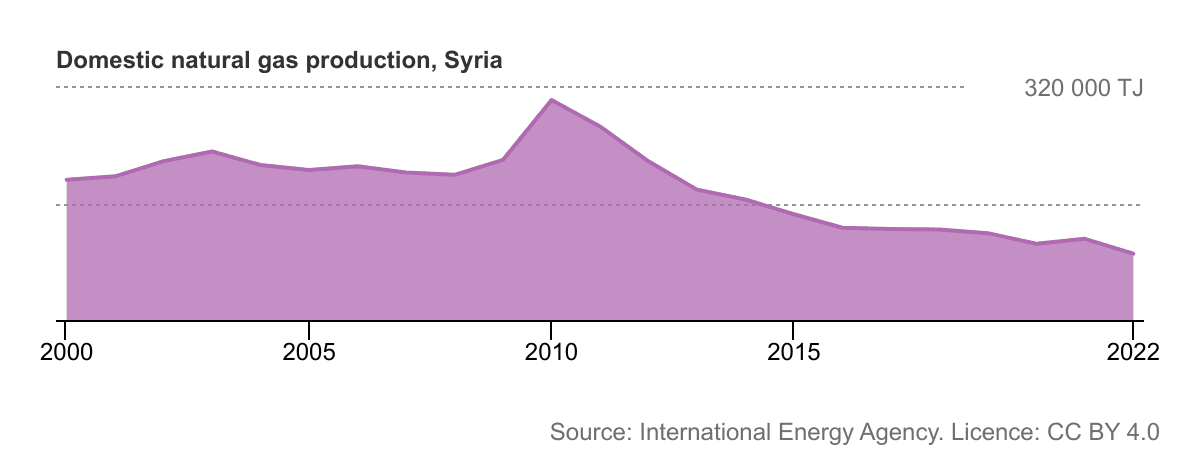
In 2011, the EU imposed sanctions on exports and imports, infrastructure projects and financial support for trade with Syria. Since then, oil and gas production in the country has fallen sharply.
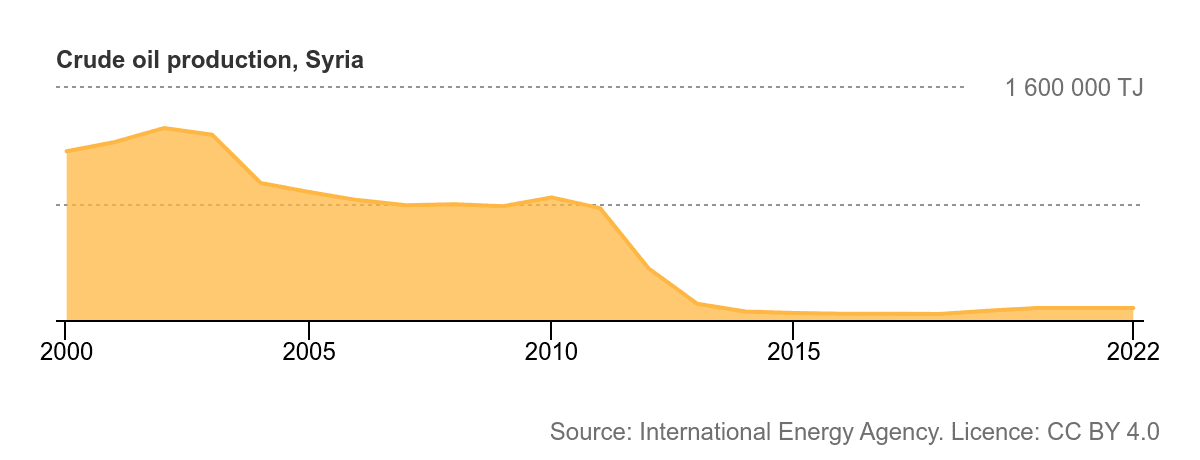
In the decades before the civil war, Syria was an oil exporter, producing more than 200 TWh of oil and just under 85 TWh of natural gas in 2011. After sanctions were imposed, however, natural gas production fell to about a quarter of its previous level, while oil production dropped to a tenth.
There is, however, interest in Syrian oil and natural gas. Turkey has announced its intention to begin talks with Syria on defining an exclusive economic zone (EEZ). The complexity of Middle Eastern relations also extends along the pipeline routes: according to the Atlantic Council, Cyprus and Greece are likely to oppose the zone and could turn to Washington and Brussels for support.
Banking and investment relations
Before Monday’s meeting, diplomats from the group that negotiates the EU’s foreign policy positions on issues relating to the Middle East and North Africa also recommended “exploring options for restoring banking and investment relations with Syria”.
"The easing of EU restrictive measures would be introduced gradually and in a reversible manner, with regular assessments of whether conditions in Syria allow for further suspensions," the diplomats wrote, according to Reuters, pointing to the need to respect fundamental freedoms and ensure an inclusive transition.
The worst-case scenario would be the lifting of sanctions followed by the new administration curtailing the rights of women or minorities, one diplomat told Al Jazeera.
The document’s wording represents a compromise between EU capitals. Some governments want to move quickly to suspend sanctions, while others favour a more cautious, gradual approach to ensure Europe retains its influence.
European officials will now begin work on the technical details of suspending sanctions. According to the document, a number of sanctions should remain in force, including measures relating to the Assad regime and the illicit trade in drugs and weapons.
Translation disclaimer
This article is a machine translation of the Czech original and has not yet been fully reviewed. In case of any doubt, please refer to the Czech version.




