Serbia sees a boom in battery storage

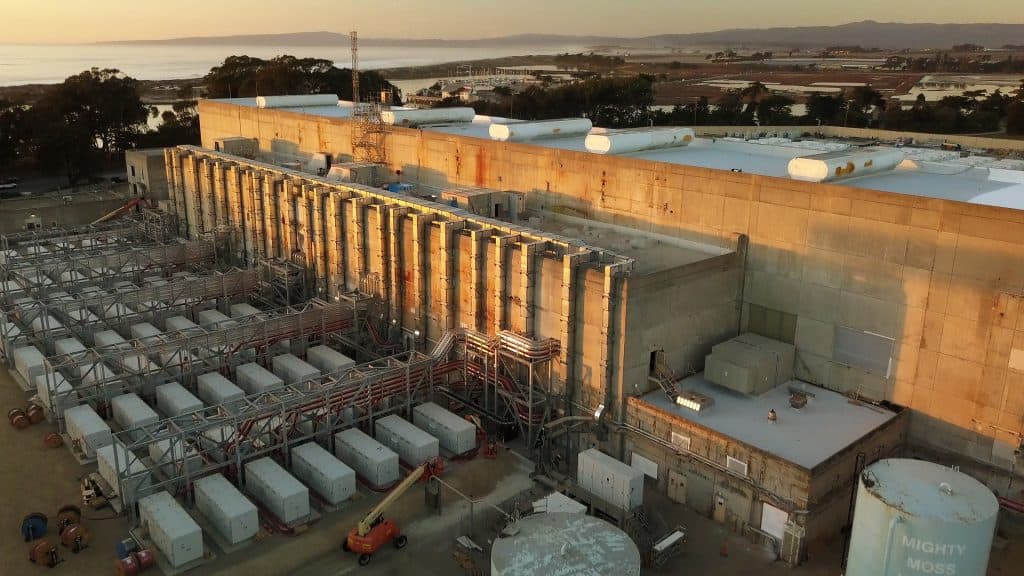
Serbia is experiencing a boom in battery energy storage. According to data from transmission system operator Elektromreža Srbije (EMS), 55 projects with a total capacity of 2 021 MW and 5 899 MWh are currently in the preparation and grid connection process. These include both standalone storage projects, accounting for 1 072 MW and 2 982 MWh, and hybrid facilities planned alongside renewable energy sources, totalling 948 MW and 2 917 MWh.
The projects are being prepared in various parts of the country, including Valjevo, Subotica, Kragujevac and Vranje. In terms of scale, the installed capacity and storage capacity are roughly comparable to the figures recorded in the Czech Republic this year.
As of 29 September, EMS had recorded twelve applications for connection studies. MKBDP Energy has already submitted the required bank guarantee and is expected to sign a contract, while Green BESS KV’s project has been discontinued because it did not submit the guarantee. The remaining applications are due to be assessed by the end of the year.
According to EMS, the growing interest is a positive trend, as standalone battery storage complements the integration of renewable energy sources and increases the security and flexibility of the entire power system. The question is how many projects will ultimately move into the construction phase and when they will come online. The speed of implementation could affect their economic returns.
Serbia plans to liberalise the ancillary services market
According to Balkan Green Energy News, the boom in projects is linked to legislative changes. Liberalisation of the ancillary services market is due to begin at the end of 2025, allowing battery operators to provide new services and generate new revenue.
Since 2023, every investor has had to provide a bank guarantee of 25 000 euros for each MW of installed capacity. The measure is intended to filter out less serious proposals. New regulations also precisely define the connection process and allow EMS to defer the connection of power sources if they could threaten grid stability. Projects equipped with their own batteries, by contrast, receive priority for grid connection.
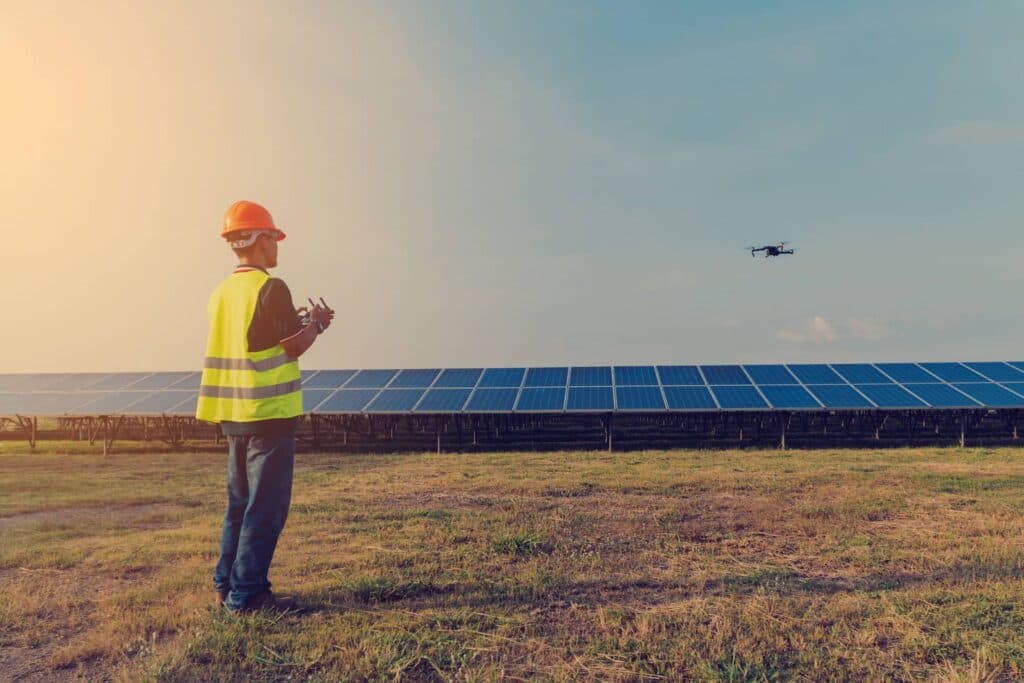
Alongside standalone storage, large hybrid solar-and-battery projects are also on the rise. Turkish company Fortis Energy this year obtained a permit for a 270 MW photovoltaic plant with a 72 MWh battery, set to be one of the largest projects in the region. By 2028, the state also plans to build six solar power plants with a total capacity of 1 GW and batteries with a minimum capacity of 400 MWh.
Among other sites, the country wants to use reclaimed areas around coal mines for construction. In this context, local companies have announced ambitious plans to build wind farms, which naturally complement battery storage projects.
Serbia is also facing an overloaded grid. Around 18 GW of renewable energy projects are in the connection process, many times more than the transmission system can currently accommodate. Estimates therefore suggest that only a small proportion of the proposals will be feasible.
Translation disclaimer
This article is a machine translation of the Czech original and has not yet been fully reviewed. In case of any doubt, please refer to the Czech version.