The situation in the US will force Trump to reconsider anti-renewables policies, former FERC chair believes

Former Federal Energy Regulatory Commission (FERC) chair Neil Chatterjee expects President Donald Trump to moderate some of his policies targeting renewable energy. The reasons include economic developments, rising electricity demand and opposition from parts of industry to an unstable environment.
Chatterjee spoke about his expectations at the end of April at the BNEF summit in New York. He stressed that the current course focused exclusively on fossil fuels is not sustainable in the long term.
“I think we’ll see a change over the next year or two because of questions about reliability,” Chatterjee said.
He said the main drivers would be two promises Trump made in connection with energy: strengthening national security and ensuring sufficient electricity for the rapidly growing technology sector, especially data centers.
“I think this will lead to a recognition within the administration that, to achieve that while maintaining reliability and resource adequacy, they can’t do it with fossil fuels alone. It will take every electron available,” Chatterjee added.
Trump appointed Chatterjee as an FERC commissioner in 2017, and he served until 2021. During that time, he led the commission as chair before being removed from the position near the end of Trump’s term. Chatterjee attributes the move to his positions on carbon pricing, support for distributed energy resources and diversity in the energy sector.
Uncertainty in the offshore sector and the threat of data center relocation
According to Chatterjee, a key risk of the current approach is its inability to meet rising electricity demand—for example, from data centers. He warns that in the short term, solar power and battery storage will need to be brought online alongside gas-fired power plants and other fossil fuel sources.
If this infrastructure is not ready, technology companies may start moving investments abroad. “I think the wake-up call will come when a large data center moves outside the US because we can’t deliver reliable, affordable power efficiently and on time,” he warns.
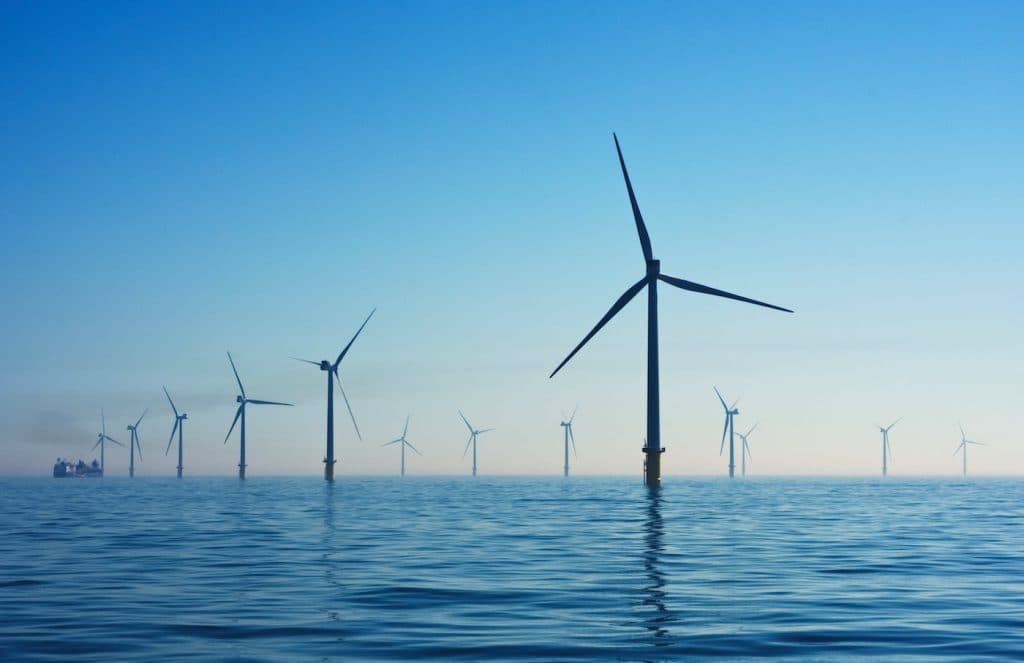
He said opposition is also taking shape to Trump’s stance on the development of offshore wind farms. As an example, he cited the administration’s decision to freeze Norwegian company Equinor’s Empire Wind project, even though it had all the necessary permits and construction was already underway. The move is also worrying oil and gas companies, which fear it could set a precedent allowing a future administration to arbitrarily cancel projects that have already been approved.
“How can you make investments like that?” Chatterjee asks, adding that he is eagerly awaiting the outcome of the court proceedings.
Trump’s introduction of tariffs and repeated calls to repeal tax breaks for clean energy are creating unwanted uncertainty for the entire energy sector, he said. Chatterjee believes this will lead to pressure not only from industry but also from some Republican politicians, who are beginning to understand that a modern energy system needs stability and technological neutrality.
Translation disclaimer
This article is a machine translation of the Czech original and has not yet been fully reviewed. In case of any doubt, please refer to the Czech version.




