3 October 2026, 13:01
Loading...
Global LNG demand to rise 65 percent by 2050, Shell predicts

oEnergetice.cz, ČTK
30 June 2026, 10:34
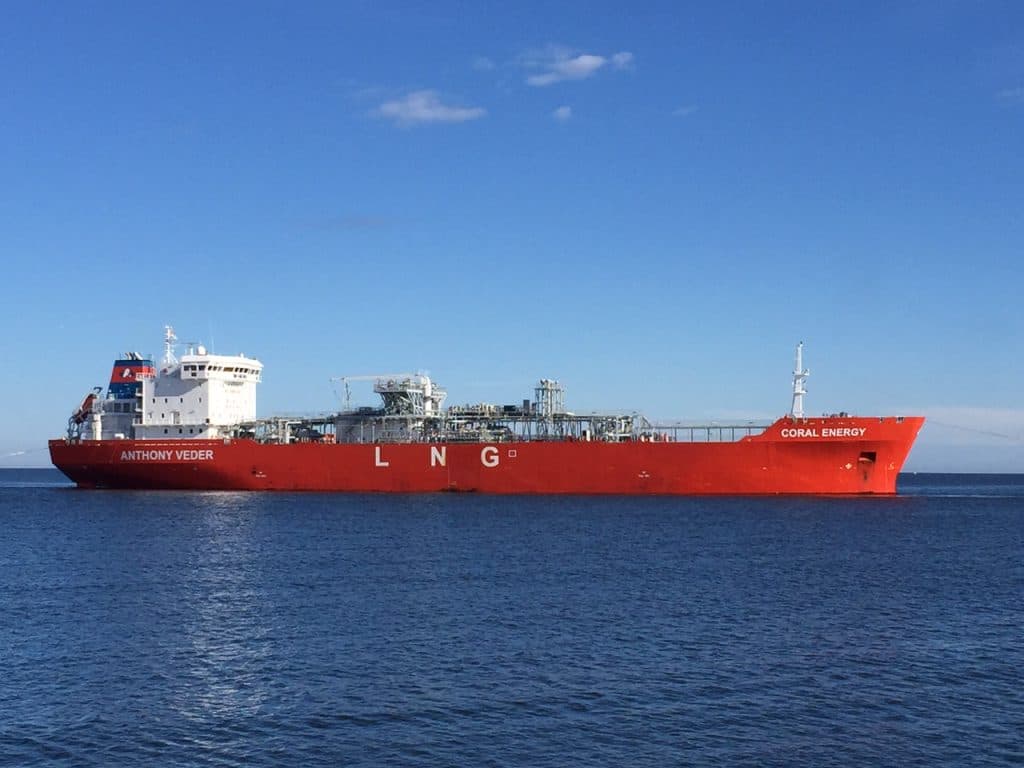
Global demand for liquefied natural gas (LNG) is set to rise by around 65 percent to nearly 700 million tonnes a year by 2050. Asia will account for the largest share of this growth, as governments seek lower-emission alternatives to coal and data centres drive up electricity demand. This was forecast today by British company Shell, the world’s largest LNG trader, in its updated outlook.
LNG trade reached 422 million tonnes last year and was expected to grow further this year. However, a serious disruption to shipping in the Strait of Hormuz since the start of the conflict in the Middle East has caused monthly LNG deliveries worldwide to fall by around a fifth. Global trade is therefore likely to remain at a similar level to last year, provided shipping through the strait resumes in the summer. Shell expects growth to resume only next year.
Recent growth in LNG supplies and the construction of additional regasification infrastructure have made the market more resilient and helped limit the impact of the disruption to shipping through the Strait of Hormuz, Shell said. In addition, the start-up of new liquefaction facilities in North America, improved performance at existing facilities and slower LNG imports into Asia helped offset lower supply from the Middle East. Spot prices also reflect the greater resilience of the LNG market, according to Shell: they rose above 20 dollars per million British thermal units (mmBtu) at the height of the Middle East crisis, but remained well below levels seen after Russia’s invasion of Ukraine in 2022.
Around 180 million tonnes a year of new LNG supply is expected to enter the market by 2030. This will improve gas availability and affordability and unlock demand in new markets.
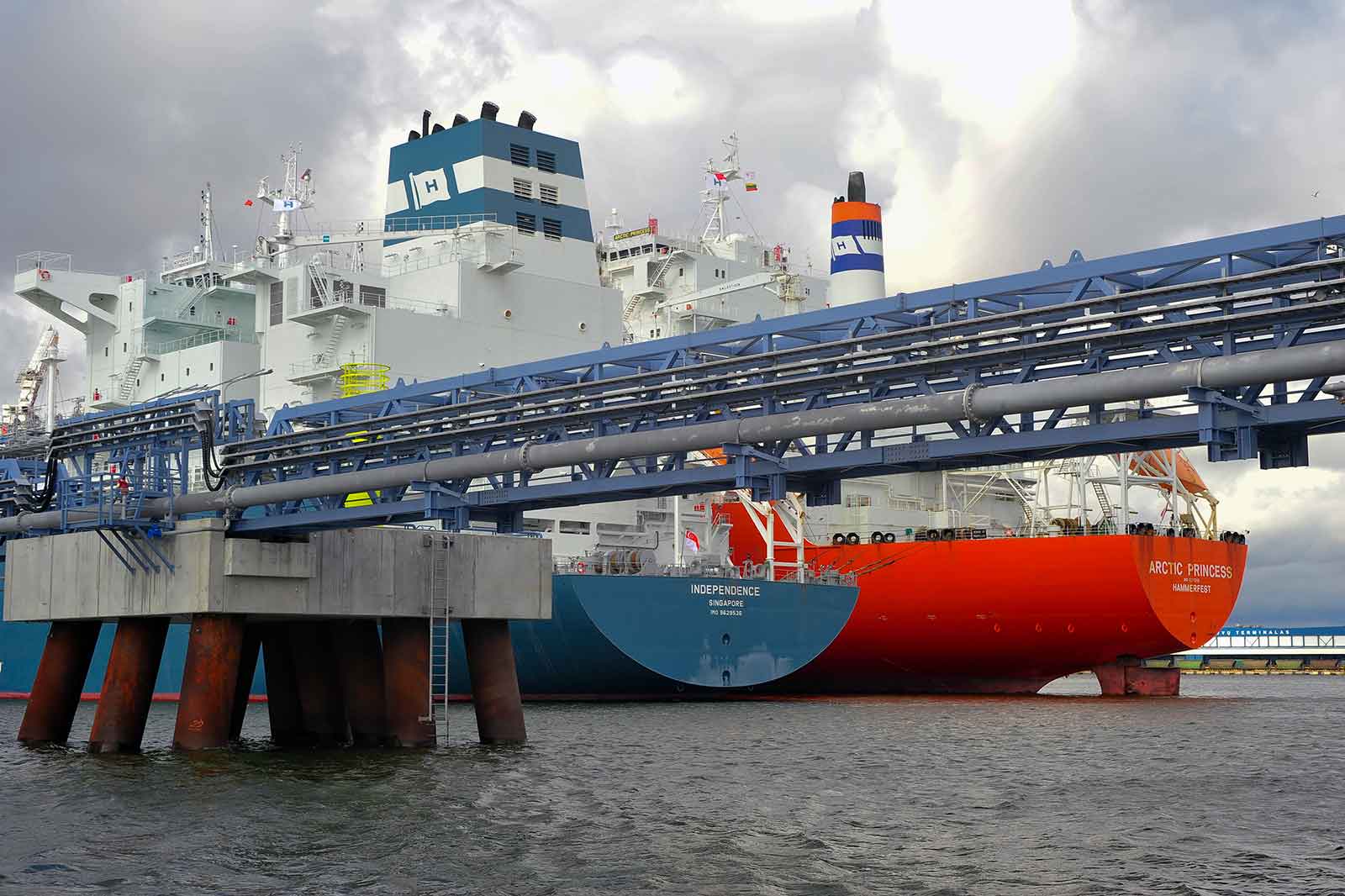
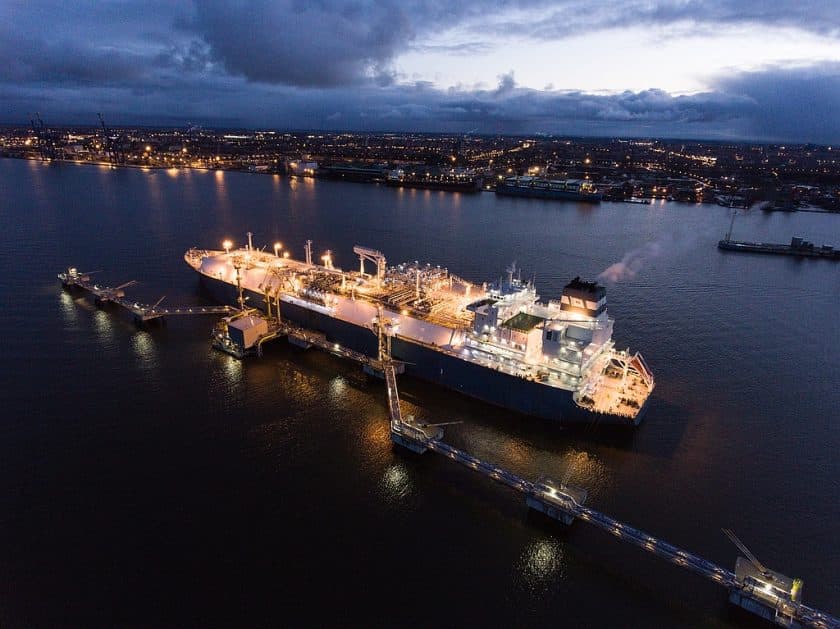
Floating LNG terminal. Source: RWE
Forecasts show that South and Southeast Asia will account for around 40 percent of global LNG imports by 2050. These countries are seeking alternatives to coal to meet rapidly growing energy demand.
LNG will continue to play an important role in Europe’s energy security and help balance intermittent renewable power generation, particularly as domestic natural gas production declines, Shell added.
However, meeting rising demand in the 2030s and 2040s will also require significant additional investment in new LNG export projects. In addition to projects already under construction, around 200 million tonnes a year of new liquefaction capacity will be needed.
Translation disclaimer
This article is a machine translation of the Czech original and has not yet been fully reviewed. In case of any doubt, please refer to the Czech version.
Sdílejte článek prostřednictvím:
You might also like
3 October 2026, 07:43
2 October 2026, 21:55

2 October 2026, 15:14