
17 October 2026, 13:09
Loading...
Another gas crisis? Europe could cope, German study says

Jan Budín
9 February 2025, 07:46
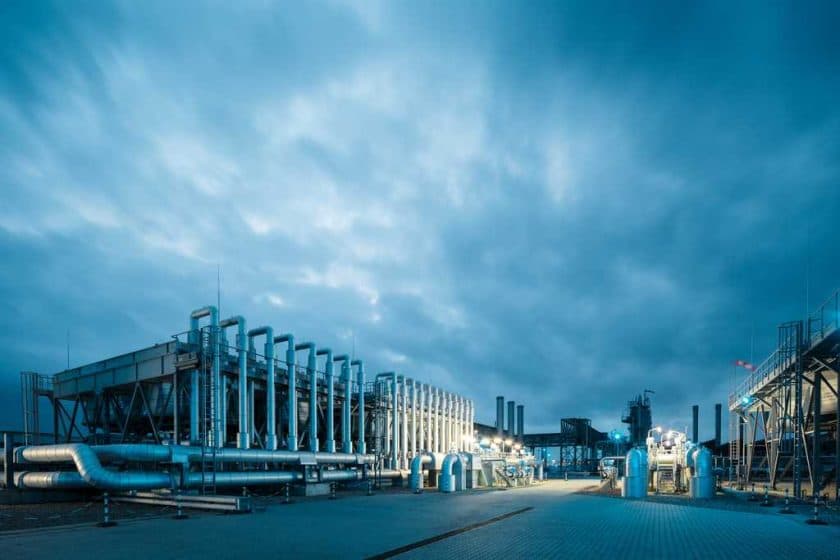
Germany and Europe as a whole are well prepared to deal with another potential gas crisis. Despite the "massive impacts" that would be felt shortly after gas supplies were cut off, European natural gas markets would gradually recover, with prices returning to pre-crisis levels within 10 years. This is according to a study by consultancy PwC, commissioned by Germany’s Federal Ministry for Economic Affairs and Climate Action.
PwC, together with the Institute of Energy Economics (EWI) at the University of Cologne and the German Energy Agency (dena), analysed the resilience of natural gas supplies to Europe under seven risk scenarios through 2035. These scenarios included a collapse in pipeline supplies or low supplies of liquefied natural gas (LNG), with the scale of the restrictions comparable to or greater than the disruption caused by the end of Russian supplies in 2022. The risks associated with the transition from natural gas to hydrogen were also examined.
"Depending on the scenario examined, utilisation of pipeline and LNG terminal capacity in north-western Europe rose to almost 100%. Germany would play a key role as a transit country, while disruptions along northern or southern transport routes could lead to bottlenecks in the system and higher prices," PwC said.
Irrational decisions pose a risk to resilience
The study’s findings show that European natural gas markets are resilient and secure even under the adverse scenarios examined, from which they would recover within five years at most. Prices should then return to pre-crisis levels within 10 years.
The study’s authors, however, noted that the modelling assumes rational behaviour by all market participants and perfect information about the cause and duration of the crisis. In reality, the impacts could therefore be much worse in the event of irrational decisions or "shock behaviour".
According to PwC, European natural gas markets could be made more resilient through greater market monitoring and cooperation at European level, diversification of natural gas supplies, the development of renewable energy sources and support for technologies that reduce natural gas consumption.
Translation disclaimer
This article is a machine translation of the Czech original and has not yet been fully reviewed. In case of any doubt, please refer to the Czech version.
Sdílejte článek prostřednictvím:
You might also like




16 October 2026, 10:16