3 October 2026, 13:01
Loading...
EU gas storage levels are the second-lowest in 15 years

oEnergetice.cz, ČTK
22 July 2026, 16:16
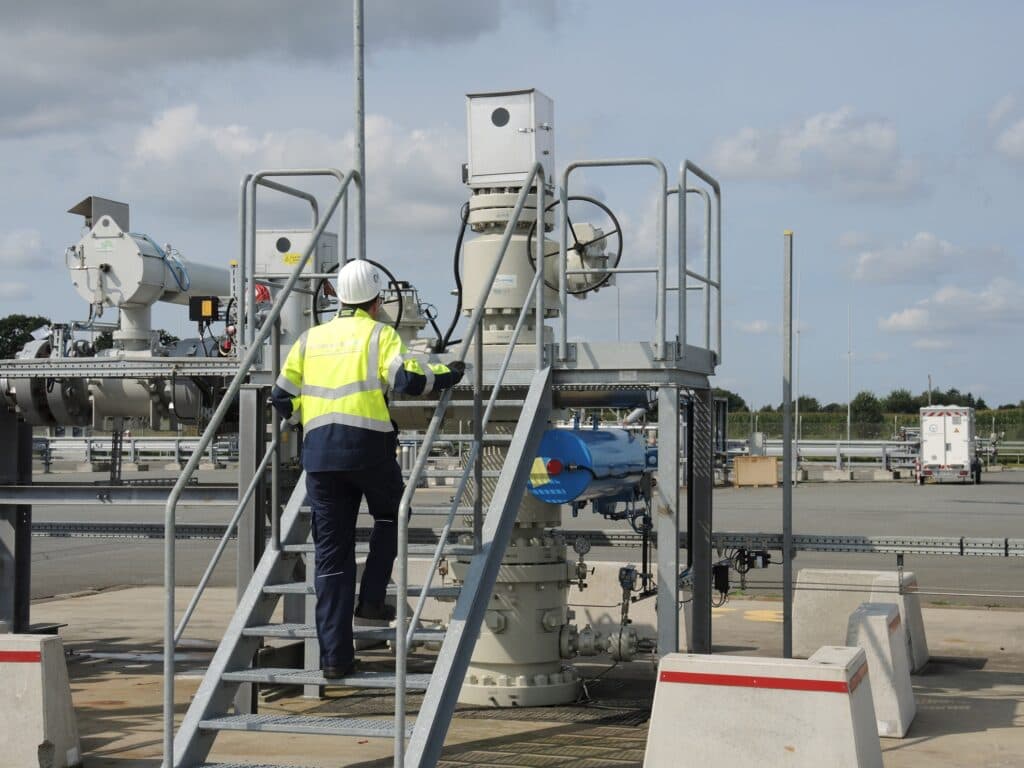
The European Union is unlikely to meet its target of having gas storage facilities 80 percent full before winter. This is due to tight market conditions, which have brought strong competition from Asian buyers, Norwegian company Equinor’s chief executive Anders Opedal told Reuters in an interview. Equinor is Europe’s largest supplier of natural gas. The volume of natural gas in European storage facilities is now significantly below the five-year average and at its second-lowest level in 15 years.
Opedal said he believes Europe will be more exposed to market price fluctuations this winter than in previous winters. EU gas storage facilities are currently 54 percent full, compared with 65 percent at this time last year, according to data from Gas Infrastructure Europe (GIE).
The war with Iran, launched by the United States alongside Israel, has effectively halted shipping through the Strait of Hormuz, including around a fifth of global liquefied natural gas (LNG) supplies, which are usually delivered to Asian buyers. Meanwhile, Europe cannot use Russian gas delivered by pipeline, as these supplies are being phased out because of the war in Ukraine.
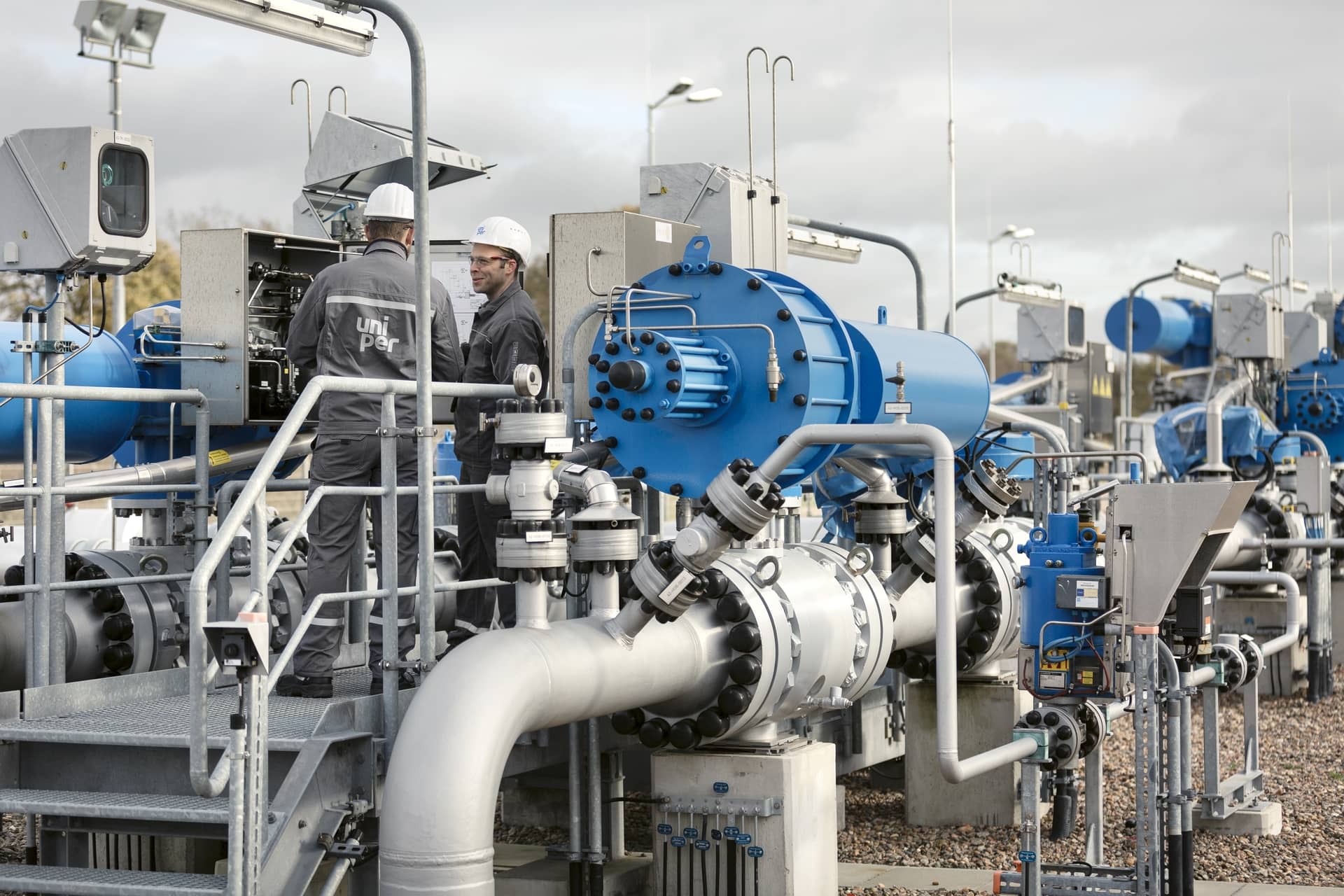
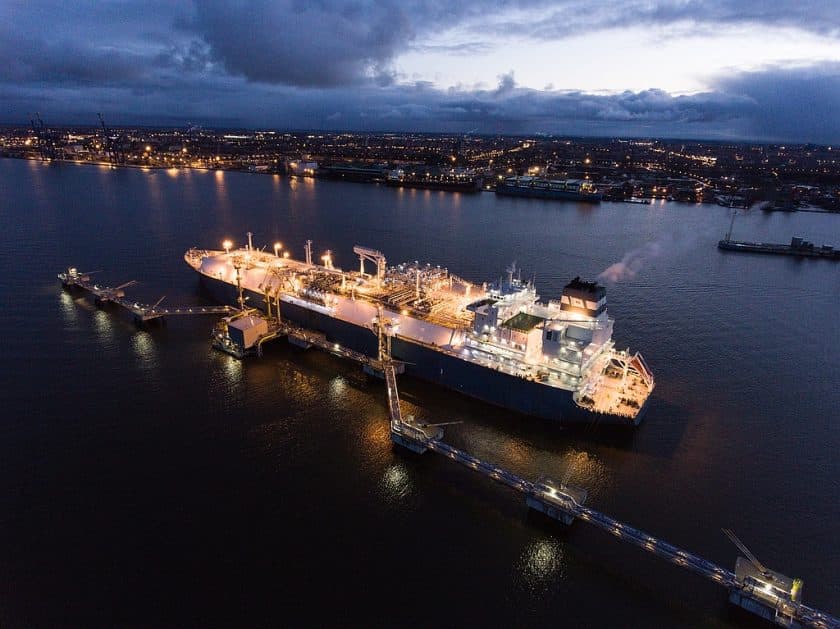
Gas infrastructure. Source: Uniper
According to Equinor, LNG accounts for about 30 percent of gas imports to Europe. But there are currently problems due to supply disruptions. Opedal added that gas which was due to flow from Qatar to Europe at the start of the year is now heading to Asia. Qatar is one of Europe’s three largest LNG suppliers.
EU gas storage targets were introduced in 2022, shortly after Russia’s military invasion of Ukraine. They are intended to ensure that EU countries have a fuel reserve for the winter months, when demand for gas for heating peaks.
Russia’s share of EU gas imports fell from 45 percent before the invasion of Ukraine to 12 percent in 2025, according to data from the EU statistical office Eurostat, as the 27-member bloc imposed sanctions and pursued diversification of its supply sources. Much of the shortfall was replaced by LNG from the United States and increased pipeline gas deliveries from Norway.
Translation disclaimer
This article is a machine translation of the Czech original and has not yet been fully reviewed. In case of any doubt, please refer to the Czech version.
Sdílejte článek prostřednictvím:
You might also like
3 October 2026, 07:43
2 October 2026, 21:55
2 October 2026, 15:14